

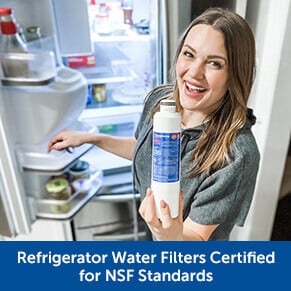



















Having easily accessible clean water in your refrigerator is a must nowadays. It helps you stay hydrated, which is important for your health and wellness. The refrigerator water filter system is central to this process, and at its heart is the filter itself. So, when it’s time for a replacement, you want to get one quickly. If you’re searching for the best replacement water filter for refrigerators, let us help guide you through the process.
What is the Importance of Refrigerator Water Filters, and How Often Should They Be Changed?
We often take sipping clean water from the fridge for granted until it’s not readily available. Water filters for refrigerators are the key to unlocking this privilege. Before we discuss tips on finding the best filter available, we first have to understand its importance.
What are the common contaminants that refrigerator water filters aim to reduce?
Refrigerator water filters remove impurities such as chlorine, lead, chloramine, iron, zinc, manganese, and total dissolved solids from water. They also target other chemical and hazardous elements, enhancing taste and water quality.
Main reasons why they’re essential.
Health and Wellness: Since they remove contaminants from your water source, these filters safeguard you and your family from consuming dangerous chemicals.
Extended Appliance Life: Replacing your fridge’s water filters ensures that your refrigerator system doesn’t clog up, which means your fridge will last much longer.
How Often Should You Replace Them?
Standard Suggestion: Many manufacturers recommend replacing the filter every 200 to 300 gallons of water, which is about six months.
High Usage or Poor Water Quality: Not every household is the same. Depending on whether your usage rate is high or you’re aware of poorer water quality, you may need to change your filters more often than the standard suggestion.
How To Know It’s Time To Replace:
• Refrigerator indicator light triggers
• Water flow reduces
• Odor or taste changes
You’ll need to replace your filters consistently to continue enjoying the pleasantries of having great-tasting, clean water. If you’re still having trouble searching for the best refrigerator water filter available, keep reading!
Search for Replacement Refrigerator Water Filters

What are the factors to consider when selecting the best refrigerator water filter?
When shopping for the best products, you should consider several factors before committing to a purchase. The same goes for a water filter for your fridge. Some of those factors include:
Certification and Authenticity
Ensuring that your filters are certified by a well-known organization like NSF International will guarantee that they adhere to specific safety and performance requirements.
Information Transparency
It’s good to see if the filter comes with an installation sheet. This document can often provide valuable insights into the filter’s performance.
Brand Reputation
A thorough investigation into the brand’s reputation will certify its authenticity as a manufacturer.
Customer Feedback
Researching other users’ reviews and feedback will give you a sense of what to expect from the product. You’ll want to pay attention to how frequently issues occur, such as performance problems.
How can consumers ensure they are getting a trustworthy and effective water filter?
Using these factors can ensure that you are receiving a trustworthy filter. Double-check the product certifications, available information, brand recognition, and customer reviews.
What are the key certifications to look for in a quality refrigerator water filter?
To find the best option, ensuring the water filter is certified is a good idea. NSF International is the main body known for evaluating water treatment products. You have other options available, which we will uncover soon.

How do NSF certifications differ, and what do they cover?
Part of selecting a water filtration system is weighing your filter’s certifications. If it has NSF certification, you’ll want to understand the different standards they support.
NSF 42 focuses on water’s general character. The standard aims to improve water’s visual and flavor quality by addressing chlorine, chloramine, odor, taste, and particulates. If you’re worried about this, pay attention to this certification.
NSF 53 is concerned with contaminants that affect your health. Pollutants such as lead, chromium, cryptosporidium parasites, and volatile organic compounds (VOCs) are targeted.
NSF401 is focused on developing pollutants. Over-the-counter medications, herbicides, pesticides, and pharmaceuticals are usually the contaminants on the list and tend to be unregulated.
NSF 372 and 61 are present to ease any worries about the quality of materials used in the filter. Lead is a serious contaminant to watch out for, but often, after removing the substance from your water, a poor-quality filter could reintroduce it. A filter with these certifications should be able to prevent this.
Is having an NSF certification alone sufficient to ensure water filter quality?
Although an NSF certification is great for evaluating water quality, it may not disclose all issues. The main concern the certification doesn’t cover is the effectiveness of a filter. This is why two separate products with the same certification operate differently.
Exploring Additional Certifications
By incorporating other certifications, you can complete the puzzle surrounding your water filter’s performance and safety. For example, the Water Quality Association’s (WQA) Gold Seal ensures the materials used in the filter are of high quality. It also aims to guarantee performance by backing it up with data.
Other Verification Methods
Other third-party options are available. Independent lab test results can provide a more detailed look into a filter’s ability. Often, the manufacturer will audit the filter to ensure their claims are valid.
Unfortunately, reviews from places like Consumer Reports aren’t available for refrigerator water filters. However, you can also take matters into your own hands by conducting a home water test or researching user evaluations online.

What is the difference between generic and OEM brand refrigerator water filters?
When in the market for a replacement water filter, you may be interested in options other than a branded one. Branded filters are known as Original Equipment Manufacturer (OEM) filters, and their counterparts are known as generic. Weighing the difference can help you pick the best one for your needs.
OEM Refrigerator Water Filters
Brand Recognition
With an OEM filter, you’ll recognize the manufacturer’s name, which can ease worry and instill trust.
Consistency and Quality
Because of the brand name, the filter’s standards are usually higher. This means there’s less chance for lower performance and more of a guarantee that the filter is designed specifically to work with your appliance.
Higher Cost
Recognition and reliability usually come with a higher price tag, so OEM fridge filters are often a higher investment.
Generic Refrigerator Water Filters
Affordability
If you’re looking for a budget-friendly option, generic fridge water filters can offer substantial savings.
Rebranded Products
With generic filters, getting another similar product under a different label is possible—and often, it’s the same manufacturer. Make sure you pay attention to detail to avoid running into this issue.
Certification Challenges
Although many generic filters carry essential certifications like the NSF or WQA, confirming can be tough. One way to do this is to inquire by the product model number.
No matter your choice, you should ensure that your filter is safe to use and that the quality is satisfactory. To accomplish this goal, check the certifications through standard channels. Remember, just because a seal is there doesn’t mean it’s legit.
Ultimately, you’ll need to decide which you value more: the assurance of compatibility with OEM filters or the economic advantage that generics provide. If you’re looking for a reliable resource for replacement water filters, look no further. We carry many trustworthy brands, whether GE water filters for refrigerators or Samsung refrigerator water filters. You can find other names like Whirlpool, Frigidaire, Maytag, Kenmore, LG, and more.
Shop Replacement Water Filters for Fridge

How can you research and evaluate generic water filter brands?
If you’re leaning more toward the generic option, investigating is critical. Here’s some more information on how you can ensure the refrigerator replacement water filter meets safety standards.
Investigate Claims
Dig into your filter by checking the manufacturer’s claims on their website, online store listings, or packaging.
Check Certifications
Seeing if the filter is NSF-certified should be a baseline for assessing the quality. If they are present, you can rest assured that the product has been through thorough testing. If the product you’re interested in happens to have multiple certifications, give it a high priority, as it usually means you can trust it more.
Review Data Sheets
Analyzing public information and documents the manufacturer provides can support any claims made about the product’s performance.
Pay Attention to Detail
Take a close look at the manufacturer’s claims. Note if they do not match across any forms of media.
By utilizing these steps, you can evaluate whether your generic refrigerator water filter is satisfactory. A thorough investigation can help you avoid any that aren’t up to par. If you’re looking for quality replacement fridge water filters for your budget, our FiltersFast.com brand filters are compatible with many brands.
Shop FiltersFast.com Replacement Fridge Filters

Research Completed, Results Guaranteed
Comparing replacement filter options for your refrigerator water filter system can be daunting, especially if this is your first attempt. However, a little due diligence and utilizing the tips we’ve covered can guarantee that you continue to enjoy the benefits of having filtered water at your convenience.
For more info about Refrigerator Water Filters, check out the following articles:
- Having Trouble Finding the Best Water Filter for LG Refrigerators? Here’s a Helpful Guide!
- The Significance of Refrigerator Water Filters During the Summer
- How to Flush Your Refrigerator Filter


Nancy Ernst says
I have an Amana Model #DRS2660BC. Do you know if there is a filter that removes flouride that will fit my fridge?