

























- Ventilate when using gas stoves by running range hoods, opening windows, and using air purifiers with carbon filters to reduce pollutants.
- Limit exposure to VOCs by airing out new furniture, choosing low-VOC products, and ventilating regularly with exhaust fans and open windows.
- Replace air filters every 1-3 months, maintain HVAC and fans, and use HEPA air purifiers to remove allergens and airborne irritants effectively.
4 Things That Could Be Affecting Your Indoor Air Quality
The Environmental Protection Agency (EPA) says indoor air pollution is one of the biggest environmental dangers we face daily. Sources of pollution are everywhere in your home. The EPA also estimates that indoor air contains five times as many pollutants as outdoor air.
Indoor air quality in your home is more important than you may realize. Most people do not even realize that high levels of indoor air pollution can affect their daily lives and overall well-being. In this blog, we’ll explore the potential health effects, surprising sources, and steps to improve your indoor air.
INDOOR AIR POLLUTION IS ONE OF THE BIGGEST ENVIRONMENTAL DANGERS
The EPA estimates that indoor air contains five times as many pollutants as outdoor air.
Sources of Indoor Air Pollution
Poor indoor air quality can pose a problem regardless of your home’s location. Some of the most commonly discovered sources of indoor air pollutants include:
- Combustion sources
- Building materials
- Chemical products
- Organic matter
- Outdoor air pollution
How Indoor Air Quality Affects Human Health
Asthma ranks as one of the most common long-term conditions in the United States and the leading serious chronic illness among children. In 2021, researchers found that 6.5% of children under the age of 18 had received a diagnosis of asthma in the United States.
Numerous indoor air pollutants have been directly tied to causing or increasing the risk of asthma developing in children.

According to the American Lung Association, poor indoor air quality can also increase an individual’s risk of heart disease, stroke, respiratory problems, Chronic Obstructive Pulmonary Disease (COPD), and even lung cancer.
Prioritizing your indoor air quality is especially crucial for vulnerable groups, including infants, children, older adults, and anyone with existing respiratory conditions. People who smoke or live with smokers, or are regularly exposed to outdoor air pollution, may have a greater health impact due to poor indoor air quality.
Reducing indoor air pollutants can not only help you feel more comfortable in your own home, but it is also essential for protecting everyone’s well-being, especially those who are more susceptible.
Obvious (and Not-So-Obvious) Sources of Indoor Pollution
1. Secondhand Smoke
One of the leading causes of indoor air pollution is secondhand smoke, which is also one of the worst. Secondhand smoke contains more than 200 poisons, including formaldehyde and carbon dioxide, and at least 60 chemicals known to cause cancer.

Secondhand smoke not only affects your health and increases your risk of lung cancer, but it can also severely affect infants. Babies who are exposed to secondhand smoke have an increased risk of pneumonia, lower respiratory tract infections, ear infections, and developing asthma.
Surprisingly, cigarettes are not the only source of secondhand smoke. Smoke-producing appliances such as fireplaces, wood-burning stoves, incense, mosquito coils, and even candles, to name a few. Even gas stoves and ovens can introduce unwanted pollutants into the air. When using gas appliances, it’s a good idea to run an outdoor venting fan to help vent the fumes and protect your indoor air quality.
If you or anyone in your household has asthma or other respiratory conditions, it’s wise to minimize exposure to indoor smoke. Eliminating or even reducing indoor smoke can help improve indoor air quality.
Best Practices for Cooking with Gas
If you use a gas stove, ventilation is essential. We don’t know the long-term impacts of using gas appliances in the home, but many experts advise doing the following to lessen your exposure to indoor pollutants:
- Run your range hood. When cooking, run your range hood fan on high.
- Open a window. When safe and weather permitting, circulating in some fresh air while the stove is on can help.
- Add an air purifier. Running an air purifier is ideal, especially with a carbon filter. This will help remove lingering pollutants and odors.
When it comes to defending your kitchen against indoor pollution, solely relying on running a fan or cracking a door just won’t cut it. Prioritizing ventilation will help improve your indoor air quality.
2. Harmful Chemicals
Did you know some of your daily habits can dramatically deteriorate indoor air quality?
Hundreds of potentially harmful chemicals and volatile organic compounds (VOCs) are emitted or released from many of the products you use in your home. Household cleaning products, personal care products, paint, new furniture, and solvents are some of the biggest culprits. These chemicals have been known to cause dizziness, allergic reactions, skin irritation, cancer, and nausea.

You should monitor the products you use daily and consider their potential effects on the air you breathe.
How to Reduce Your Exposure to VOCs
If you’ve purchased new furniture or have freshly painted items in your home, they are very likely to release VOCs. VOCs are released or “off-gassed” at their highest levels as soon as you bring them inside your home.
Here are some helpful tips you should keep in mind when bringing new items into your home:
- Always Air Out. If you’ve replaced carpets, bought a new rug or wood composite bookshelf, or are ready to hang up your freshly dry-cleaned clothes, open a few windows and doors to let fresh air circulate. Ventilation will help reduce strong odors and any off-gassing from the new item.
Intend to Isolate. If you’re able, leave new purchases in the garage or on the porch for a day or two to let the chemical odors dissipate before bringing them into your home. - Look for Low or No VOC: When possible, opt for finishes, paints, or furniture that are “low-VOC” or “no-VOC”. These options will release fewer chemicals.
- Don’t Hesitate to Ventilate: Open up windows daily and use exhaust fans in the kitchen, bathrooms, and laundry rooms to help reduce VOCs and other pollutants in your home.
Following these simple tips and seeking safer alternatives helps reduce your VOC and chemical exposure and keep your indoor air as healthy as possible.
Proceed with Caution: Phthalates in Plastics
Are you using a clear plastic shower curtain in your shower? Many flexible plastics, especially those used for shower curtains or certain storage containers, could be releasing harmful chemicals into your air.
These everyday items may contain chemicals called phthalates, which make them soft and bendy. Unfortunately, these compounds “off-gas” into the air. Researchers are concerned that this may be linked to hormone disruption and other health issues.
What can you do? To reduce your exposure to phthalates, make the switch to safer alternatives. Opt for cotton, linen, hemp, or materials that are “phthalate-free”. This simple action will help keep your air cleaner and support a healthier home environment.
Clean Space, Cleaner Air
Keeping your living space clean plays a major role in improving the quality of your indoor air. Dust, pollen, pet dander, and microscopic particles like ash and microplastics can settle on surfaces in your home and can get stirred up during daily activity. Without regular cleaning, particles will continue to circulate through your home and into your lungs.
Vacuuming is a regular cleaning task and can stir up a lot of particles into the air. Using a vacuum with a HEPA filter will prevent particles from being recirculated into the air.
Dry dusting and sweeping also kick fine particles up into the air. Instead, try wet cleaning methods. Mop floors and wipe down surfaces with a damp cloth or sponge to better capture dust and residue.
The cleaning process itself can actually expose you to lots of particles. Protect yourself by wearing an N95 mask, gloves, and long sleeves, especially when cleaning up after a home renovation or wildfire.
Making wiser choices with your cleaning tools and methods can make a world of difference for your home’s cleanliness and help keep your home’s air fresh.
Disinfectant Safety Tips
You may use strong cleaning products and disinfectants, such as bleach and other harsh chemicals, to clean your home. But their harmful fumes may worsen your indoor air quality.
Here are a few tips you should consider:
- Only use heavy-duty disinfectants when necessary, such as during an illness outbreak or when cleaning up after raw meat.
- Opt for gentler cleaning products when possible. Brands like Meliora and TERRA are some great natural options.
- When using high-powered cleaning products, make sure you ventilate well. Opening windows or turning on exhaust fans in the area you’re cleaning can be a big help.
- Wear a mask when using cleaning products to avoid inhaling fumes.
Mindfulness when cleaning and disinfecting is essential to maintaining a healthy home.
What To Do with Unneeded Chemicals and Cleaning Supplies
If you’re holding on to old cleaning supplies, extra paint cans, or leftover fuel, it’s time to let go. Keeping these items could affect your indoor air quality. These products can emit fumes over time, even when sealed, which can contribute to poor indoor air quality.
Here’s what you need to know:
- Keep needed paints, cleaners, and chemicals in a well-ventilated area, away from living spaces.
- Do not throw expired or unused household chemicals, paints, or cleaners in the trash or pour them down the drain. This can be dangerous for both your household and the environment.
- Contact your local waste or recycling center for help disposing of paint, cleaners, or chemicals you no longer need.
Following the right steps is not only better for you, but also better for the environment!
3. Candles
Studies show that candles may emit numerous potentially hazardous chemicals, such as benzene and toluene. These deadly contaminants can damage the brain, lungs, and central nervous system and cause developmental difficulties.
Researchers at South Carolina State University tested both petroleum-based paraffin wax candles and vegetable-based, unscented, non-pigmented, dye-free candles. Their 2009 report concluded that while the vegetable-based candles didn’t produce any potentially harmful pollutants, unfortunately, paraffin candles “released unwanted chemicals into the air,” said chemistry professor Ruhullah Massoudi.

Though the risk may be small, alternatives such as beeswax and soy candles exist.
One researcher suggested going the unscented route, avoiding “even those with essential oils, as they can potentially have hazardous chemicals. ” She said, “It’s almost like air fresheners with the fragrance just sitting there…permeating surfaces in the room.”
If you want to improve your indoor air quality, what you use in your home is a great place to start. Experts recommend avoiding both synthetic and “natural” fragrances in most of the things you use, including candles, dish soaps, all-purpose cleaners, room sprays, air fresheners, mothballs, and incense. While some scents may be enticing, added fragrances can introduce more pollutants into your home.
Opting for unscented options for everyday home items will help you minimize indoor air contaminants and make your home feel truly clean and fresh.
4. Outdoor Air
We’ve established that numerous pollutants are only released indoors, but exposure to outdoor pollution in indoor air is probably one of the most serious.
The EPA found indoor air pollution can be 2 to 5 times more polluted than the worst outside air. Some homes have even reported having 100 times more polluted air.
We’ve all heard about how harmful outdoor air pollution is, and we can usually recognize the health concerns associated with it. Still, indoor pollution is often overlooked, too!

Indoor Air Pollution Solutions
While it’s ultimately up to you, here are a couple of things you can do to help improve your indoor environment:
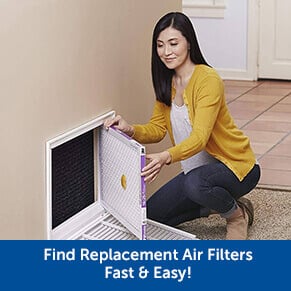
1) Change your air filters regularly.
Air filters should be replaced every 1-3 months. However, frequency may vary depending on your chosen MERV rating and your home’s characteristics. If you have central air, changing your filters regularly is a must. If you’re concerned about outdoor pollutants, such as smoke and wildfire smoke, consider upgrading to a higher MERV filter.
Need help figuring out which MERV filter is best for your unique needs? Check out our blog to find out which MERV rating you should choose.
2) Maintain HVAC filters, AC units, and fans.
Your home heating and cooling system circulates air in your home and maintains your desired temperature. Air filters are your first line of defense for healthy home air and keeping your system running efficiently.
Don’t forget about window units, portable ACs, and fans. Although they are often overlooked, cleaning and maintaining them can help improve your indoor air quality.
3) Invest in an air purifier.
Running an air purifier in addition to changing your air filters regularly is an effective way to remove fine particles and allergens from your indoor air. Air purifiers with True HEPA filters are especially effective. HEPA purifiers can help reduce airborne irritants such as VOCs.
When is the best time to use a HEPA air purifier?
Running an air purifier constantly can increase electricity use, so if you’re looking for the best time to use a HEPA air purifier, the EPA suggests tracking your local air quality index (AQI). If the AQI is above 50 or you notice smoky odors from wildfires in your area, running an air purifier can be especially helpful in minimizing risks to your household.
Doing what you can to keep the air in your home clean will create a better environment and has so many benefits. Even though you can’t see them, air contaminants are everywhere. Having a better understanding of how the things you use in your home can affect your indoor air quality and what you can do about it is so important.

Every Step Counts
Making your home a healthier place to breathe is still a meaningful and important step—and when lots of homeowners make conscious choices, it can build momentum for broader change. But lasting improvements to air quality will ultimately require actions at the community, industry, and policy levels, too.
Need help finding the right filtration solutions for your home? We’re here to help! Contact us at 866-438-3458 or [email protected], and one of our product experts will assist you.



Katie says
HouseholdAir,
Thank you so much for reading our blog! You’re right, this is so important!
Rod Goraj says
Nice job Katie. Way to keep us informed.