






















It’s summertime, and life is easy—except when it comes to the high cost of cooling your home day after day. HVAC maintenance might not be top of mind, but with a little time and attention and save you a lot during the heat of the summer.
Why are energy bills so high in the summer?
When it’s hot outside, your air conditioning system must work harder to cool the air inside your home. The temperature you’ve set on the thermostat is the indoor temperature your system must achieve, increasing energy consumption. When your energy consumption increases, so will your electric or gas bill, depending on your HVAC system’s energy source.

What are some ways to save energy during the summer?
Fortunately, there are a few simple ways to lower your monthly energy bill.
- Check and replace air filters regularly.
- Set your thermostat at 78 degrees.
- Install ceiling fans and run them to help circulate the air.
- Close your drapes and blinds during the day to keep sunlight from entering and heating your home.
- Ensure all doors and windows are securely shut.
- Use weather stripping or caulk to prevent cool air from escaping outside.
- Do not turn off your HVAC system when you leave. Doing this will make your unit work twice as hard to re-cool your home once you return.
- Consider upgrading your wall thermostat. A programmable thermostat will allow you to set ideal temperatures throughout the day, helping conserve energy.
Why do you need to fix drafts?
Even the smallest draft can waste energy. Most people think about sealing leaks in the winter, but it’s just as necessary in summer. Any gap can allow cool air to escape and warm air to enter.
What are places where drafts can occur?
- Chimneys
- Windows
- Doors
- Basements
- Attics
- Electrical outlets and switch plates
You might consider getting more energy-efficient windows or adding draft stoppers if you notice persistent drafts. When your home is well sealed, it helps keep the cool air in, allows your HVAC unit to run more efficiently, and can help keep your energy bills lower.
Can leaky ductwork affect energy bills?
Small leaks or gaps in your ductwork allow cool air to escape, which costs you energy and money each time your air conditioning is running. Energy Star, an energy efficiency program by the EPA, says leaky ducts can increase your energy bill about 20% to 30%.
This is why system maintenance by a professional service is essential. Having your ductwork inspected and sealed will help you keep the air where it belongs and money in your pockets.
Does closing air vents help cool other rooms?
Closing air vents in unused rooms will not help you save on your cooling bill. Why? When you close air vents, your HVAC system will still try to push air through and will face resistance. Closed air vents cause your system to deal with high pressure, which can reduce its cooling efficiency, damage ductwork, and create air leaks.
Leaving your vents open will help everything run smoothly and keep air flowing.

Is it bad to constantly adjust the thermostat?
Adjusting your thermostat can be tempting, but doing so can do more harm than good. Frequently changing the temperature can cause your system to kick into high gear, driving up your energy bill and wearing out your system.
Set your thermostat to an ideal temperature for best results and efficient performance, and leave it alone. If unsure about the best setting, check your owner’s manual or ask an HVAC tech during a maintenance check.
Taking a little extra time to determine the ideal temperature for your home will help ensure that it stays comfortable and your energy bills are low.
Do outside AC units need maintenance?
Believe it or not, keeping the area outside part of your HVAC system clean is essential. Please give it some breathing room! Remove any plants, leaves, shrubs, or outdoor equipment around the unit to ensure airflow is not blocked.
About a foot of clearance on each side should be enough to prevent overworking and overheating of the system, and help increase its efficiency, lowering your energy bill.
How often should you clean or replace your HVAC air filter?
The purpose of an air filter is twofold. It cleans the air in your home. It also protects your system from dust, dirt, and debris. This debris can clog essential parts of your air conditioning and furnace units.
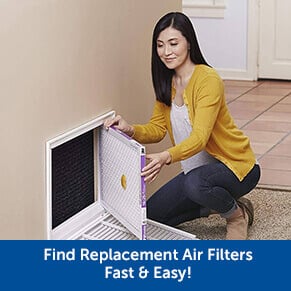
Over time, air filters will become overloaded with particles and must be changed to help ensure your system is working efficiently.
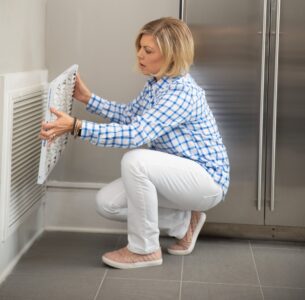
The recommendation for 1-inch filters is to be replaced every 3 months. However, you should check your filter every month, especially if you live in a dusty environment, have pets in the home, or suffer from allergies. Clogged filters will do more harm than good. Because the system will have to work harder to pull air through the filter, this can drive up your energy bill and put irreversible wear and tear on the HVAC unit.
Regularly changing your HVAC air filter helps your system run more efficiently and keeps the air in your home fresher and cleaner.
Does it matter what HVAC air filter you use?
Different systems will have different filter requirements. Some systems have air returns where air filters should be installed, while others may need to be installed in the furnace.
The number of filters required will also differ from home to home. Usually, you will have an HVAC unit for each level of your home, requiring filters.
The size filter you need will be individualized to your home. Air filters are not one-size-fits-all, so you will need to know the nominal size of your air filter.
In addition to knowing how many filters and sizes you need, you’ll also need to select an MERV that best suits your needs. MERVs range from 1 to 16; however, the most recommended MERVs for most households are MERV 8 and MERV 11. It’s important to note that the higher the MERV rating, the higher the pressure drop.
For example, if you need an HVAC air filter with a 1-inch depth, we highly recommend the Filters Fast® Brand MERV 11 Air Filters. These high-quality air filters effectively reduce pollen, dust, pet dander, dust mites, mold spores and other allergens from indoor air. Removing these airborne particles alleviates allergies and sinus irritation, which can cause watery eyes, an itchy throat, coughing, and sneezing.
If you’re unsure which MERV you should use, check out our MERV Ratings Guide or ask an HVAC professional during scheduled maintenance.
How often should you schedule professional HVAC maintenance?
Ensuring your outdoor unit works efficiently is paramount to lowering the cost of cooling your home. You’ll want an HVAC professional to come out about twice a year to check and ensure your system works as it should.
Typically, you’ll want to do this before any drastic changes in the weather. For example, schedule an appointment for spring before summer hits and again in the fall before cold winter weather. What you don’t want to happen is for your system to break down during peak summer weather or the chilliest fall day.
If you can’t remember the last time your HVAC unit was checked, we recommend scheduling an appointment as soon as possible.

Will having your HVAC checked save you money?
Consistent HVAC maintenance doesn’t just help with system efficiency—it can help extend its lifespan and help you avoid bigger, costlier problems.
A twice-a-year tune-up can help identify minor issues before they turn into major ones, especially during months when your heating and cooling systems need to work the most. No one wants to be stuck in a heatwave with a broken A/C or cold snap without heat!
Having a professional service your system can help improve its overall performance. Prioritizing system maintenance will allow you to keep your home comfortable, help you get the most out of your system, and lower your monthly energy bill.
Stay Cool and Save Money
If you cool your home with a window air conditioning unit and your monthly energy bill seems extremely high, it may be time to replace it. If your window air conditioner is newer, we suggest changing or cleaning the filter to ensure it runs efficiently.
We hope these tips and suggestions will help you keep your home cooling bill low this summer! We care about each customer and will do whatever we can to help you find the right filtration products for your home. If you have any questions or need assistance, our Filters Fast phone number is 866-438-3458.If you prefer email, you can contact our Customer Care Team at [email protected].



Brandon says
Thanks for your comment! We’re glad you found the article useful. Have a great day!
sanitair says
This is a very practical and informative guide on saving energy during the summer. I like how it combines simple everyday habits—like setting the thermostat properly and using ceiling fans with more technical tips such as sealing ductwork and checking for drafts. The explanation about why closing air vents doesn’t actually help is especially useful, as it clears up a common misconception. Highlighting areas where drafts occur and the impact of leaky ducts on energy bills adds real value. Overall, a well-rounded and helpful resource for improving efficiency and reducing cooling costs.
Katie says
You’re welcome, Lisa!
Lisa says
Thanks for the tips!