



























- Choose an air filter specifically designed for your vehicle to ensure proper fit, airflow, and protection.
- Recognize signs like reduced acceleration, poor fuel efficiency, or dirty filters to know when to replace.
- Decide between disposable filters for convenience or reusable ones for long-term value and maintenance.
- Consider driving conditions—dusty roads or heavy traffic affect filter lifespan and replacement frequency.
- Prioritize value and durability over price to get a filter that balances filtration efficiency and airflow.

The Best Car Air Filter Is the One That Fits Your Vehicle, Supports Proper Airflow, and Matches Your Driving Conditions
It’s 2026, and technology has given us amazing means of transportation, like our cars. We’re a long way from the first Ford, but it’s easy to take them and the little parts inside them for granted. Take your car’s engine air filter, for example: you probably won’t notice it’s time for a replacement until poor performance, reduced fuel efficiency, or a bumpy ride appear.
Then you may wonder, what’s the best one? How do I choose the right one? Well, this guide aims to help you determine just that and when it’s time for a replacement. So that you avoid inconveniences as much as possible. Let’s start.
What is the best air filter for a car?
The best air filter for a car engine is one designed specifically for your vehicle. Tailored for balanced airflow, filtration efficiency, durability, and value.
In general, there is no “one-size-fits-all” air filter, so you’ll need to be smart when choosing. The best option will depend on several factors, such as budget, daily driving habits, the roads you’ll frequent, climate, and the type of filter.
Why does your car’s air filter matter more than you think?
An air filter for your car is generally easy to overlook in the grand scheme of things, but not for too long. This is because it is a crucial asset to your engine, providing protection against dirt, dust, pollen, and debris. Essentially, it helps your engine breathe easier.
Keeping on top of your replacement duties will help avoid performance issues and frequent maintenance concerns. An engine filter helps support proper airflow for combustion and reduce unnecessary engine strain over time.
What are the signs that I need a new car air filter?
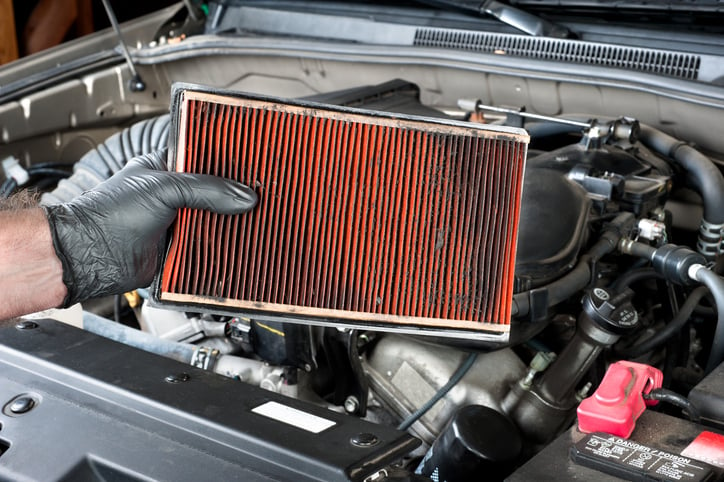
A bad air filter can affect your vehicle’s performance, so it’s important to recognize when it’s time for a replacement.
Common signs of a bad car air filter include:
• Slower acceleration or reduced responsiveness
• Lower fuel efficiency
• Unusual engine sounds
• A filter that looks dirty, dusty, or clogged
• A check engine light in some cases
• A stronger fuel smell or darker exhaust in more severe situations
If you notice your vehicle displaying any of these signs, it’s a good idea to check the air filter and replace it. Being vigilant on this simple task will support your engine and enhance its performance in the long run.
How to Choose the Best Air Filter for Your Car?
Now that we understand how important an air filter is to your vehicle’s performance, how would we go about selecting the right one? Here are some essential tips that you should follow:
Confirm Vehicle Compatibility
The first thing you need to do is make sure a replacement option is viable for your vehicle. You can do so by researching the car’s year, make, model, and engine type and matching it to the filter.
Consider the Filter’s Efficiency
Unlike HVAC filters, engine filters aren’t rated by particle size, but by efficiency. When looking for the best air filter, this will be one of the most important factors. A quality filter should prevent dirt, pollen, dust, and other particles from reaching your engine.
You’ll also need to balance the filtration with air flow. If the filter restricts too much, it will limit the amount of air reaching the engine, hindering performance. Your goal should be to strike a balance between filtration and airflow to keep your vehicle operating optimally.
Decide Between Disposable and Reusable Filters
Fit and filtration are important factors to keep in mind, but it’s equally essential to think beyond those parameters. Another decision you face is whether to use a disposable or a reusable air filter.
If you’re looking for a simple, easy-to-maintain option, disposable filters may be your go-to. Whenever the filter gets dirty, you can simply replace it with a new one. With no cleaning process to worry about, this may have a superior advantage for quick-on-the-go drivers.
Reusable filters offer another option with a more durable design. They’re created for reuse, which could appeal to drivers who want long-term flexibility. Although the initial investment is higher than a disposable, you’ll save by avoiding frequent replacements. If you don’t mind a more hands-on approach, it could be the perfect option.
The best choice between these is the one that lets you realistically keep up maintenance at a good pace.
Thinking About Driving Conditions
A factor that can affect your car air filter choice that you may look over is the driving conditions you’ll frequently come across. This is because the environment can directly affect how hard your air filter must work. Even if you choose the best one, it will collect airborne pollutants quickly if the vehicle spends a lot of time on harsh roads.
Keeping this in mind will help you more accurately determine when it’s time to replace the filter. For example, if you’re located in a rural area on dusty roads or in areas with dirt, gravel, or construction debris, your filter will work hard. Before you know it, it’ll be replacement time.
Also, just because you live in the city doesn’t mean you’re in the clear. Heavy traffic and stop-and-go driving expose your car to a wide range of airborne pollutants, including dust and debris. Given time, the buildup of these contaminants will reduce its performance.
Seasonal changes and extreme weather can also be an adversary for your filter. Spring and summer bring higher levels of pollen and allergens, while fall and winter introduce moisture, leaves, and variable temperatures.
Evaluate Value, not Just Price
Sometimes, going with the easiest, quickest solution is simpler for us, and this is no different when it comes to car air filters. But it’s important to make your choice based on both the value it provides and the price. Cheapest doesn’t automatically mean best, as a higher-quality filter can offer greater durability and better protection.
Is a Reusable Car Air Filter better than a disposable one?
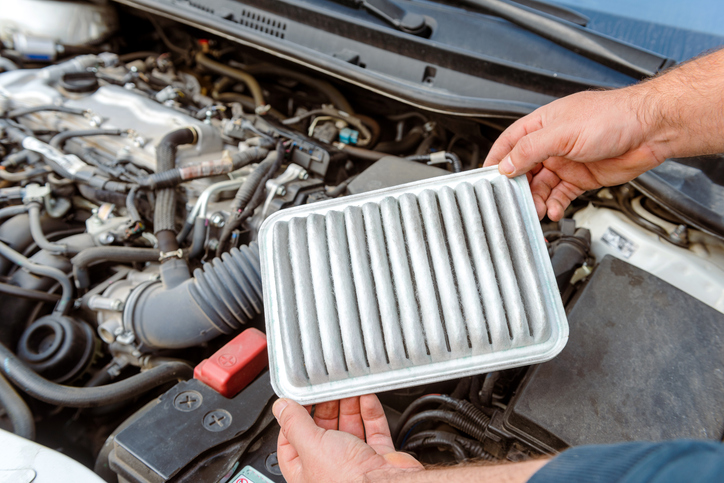
When comparing disposable vs. reusable car air filters, the best choice will depend on convenience, performance preferences, and long-term value.
| Feature | Disposable Car Air Filters | Reusable Car Air Filters |
|---|---|---|
| Upfront Cost | Usually lower | Usually higher |
| Maintenance | Replace when dirty | Clean and reuse |
| Convenience | Simple and quick | Requires more time and upkeep |
| Lifespan | Single-use until replacement | Designed for long-term use with proper care |
| Long-Term Value | Good for straightforward maintenance | May offer savings over time |
| Installation | Typically easy to install | Also easy to install, but cleaning adds an extra step |
| Best For | Drivers who want a simple replace-and-go option | Drivers comfortable with regular cleaning and maintenance |
| Main Advantage | Convenience | Reusability |
| Main Consideration | Ongoing replacement costs | Higher upfront cost and added maintenance |
Disposable air filters are often the better fit for drivers who want simple maintenance, while reusable air filters may appeal to those looking for a longer-term option and don’t mind routine cleaning.
What are the Best Car Air Filter features to look for?
When you’re searching for the right car air filter for your vehicle, it’s best to note the features you’ll need. Doing so will ensure you get the value you’re looking for at a good price.
Precise Fit
At the top of the features to look for is ensuring the filter is the perfect fit. Having a filter designed for your vehicle’s make, model, and engine type helps create a secure seal. This will prevent unfiltered air from entering the engine.
Durable Construction
Ensuring your filter is made of a solid material will guarantee it holds up against air flow and exposure to airborne particles over time. This will support protection and day-to-day performance.
Reliable Filtration Media
The filtration media is separate from the construction, as it captures direct dust, pollen, and other particles. You’ll want to ensure the filter traps contaminants while allowing proper airflow.
Good Airflow Balance
As mentioned previously, a good car air filter needs to support strong filtration without creating unnecessary restriction. You’ll want to protect the engine while maintaining reliable air flow.
Long Service Life
Getting a filter that has a long service life will provide convenience between maintenance checks. Eventually, every filter will require replacement, but a quality one will maintain performance throughout its lifespan.
Trusted Manufacturing Standards
Purchasing a filter from a trusted manufacturer will guarantee overall quality and consistency. A well-made filter is more likely to be dependable with its make and performance. Selecting a filter from a reliable source can give you confidence when driving because of its long-term worth.
Clear Replacement or Cleaning Instructions
You may not think about this, but having clear directions for replacing or disposing of your filter makes things easier. Getting a filter that is straightforward about these things takes the guesswork out, so you can focus on driving.

How Often Should You Replace a Car Air Filter?
Engine air filters generally should be replaced every 12,000 miles or once a year. However, this could differ depending on the vehicle and driving conditions. It’s a good idea to follow the vehicle manufacturer’s recommendations and check monthly to be safe.
What Happens If You Do Not Replace a Dirty Air Filter?
Neglecting to replace your air filter can lead to poor performance, reduced engine efficiency, increased strain on your engine’s systems, and a significant buildup of harmful contaminants.
Can You Replace Your Car Air Filter Yourself?
In most vehicles, it’s entirely possible for you to replace your air filter on your own. It’s usually a simple maintenance task; however, it’s very important to ensure you have the correct filter for your vehicle. You’ll also want to make sure it’s installed correctly.
Quick Overview: Basic Car Air Filter Replacement Steps
1. Locate the engine air filter housing
2. Open the housing and remove the old filter
3. Check for dust or debris in the housing
4. Insert the new filter in the correct direction
5. Close and secure the housing
IMPORTANT – INSTALL AIR FILTER CORRECTLY:
Make sure you install the air filter the right way! Check the airflow arrows to determine which way to face the filter.
Frequently Asked Questions
Before we wrap things up, let’s go over a couple of questions that many people inquire about when it comes to an engine air filter.
What is the best air filter for a car?
The best air filter for a car is the one that fits your vehicle’s needs. Make sure to match the make and model, ensure it’s durable, and consider the driving conditions.
Are premium car air filters worth it?
Premium car air filters can be worth it depending on your maintenance goals. If you don’t mind cleaning the filter yourself, it’s a perfect solution. You’ll also need to consider the build quality and ensure it fits your system.
How long does a car air filter last?
In general, most car air filters last around 12,000 miles and need to be replaced yearly. However, you should also check your vehicle’s recommendations and keep your specific driving conditions in mind.
Can a dirty air filter affect gas mileage?
Yes, because a dirty air filter restricts airflow, it can affect your vehicle’s efficiency and performance.
Is it better to clean or replace a car air filter?
This depends on your air filter type. If you have a reusable filter, it’s okay to clean it to a certain point. If your filter is disposable, you’ll need to replace it.
How do I find the right air filter for my car?
To find the right air filter for your car, use your vehicle’s year, make, model, and engine details. Also consider driving conditions and the type of maintenance you can realistically keep up.

Quality Car Air Filter. Smooth Driving Experience.
It’s important to note that the best air filter for your car isn’t always the priciest one. If it fits your vehicle, provides solid protection, and plenty of airflow for your engine, then it’s a good choice. Even though it may be easy to overlook, it can significantly affect your vehicle’s performance.
Choosing the right one and replacing it consistently are important for vehicle maintenance and reliability. It will ease worry, allowing you to simply enjoy a smooth driving experience.
If you’re looking for quality car air filters from a trusted source, we’ve got you covered.
For more information on car air filters, please check out the following articles:


Leave a Reply