

























Water is a central part of everyday life. Just think about everything that we do with it – drinking, cooking, and cleaning. All the essential parts of healthy living. Therefore, it’s imperative to ensure the quality is excellent, as it makes all the difference. That’s where reverse osmosis taps in – a simple, effective way to enjoy premium water in your home.
To help you better understand RO systems, we’ve gathered some of the most common questions. Let’s dive in and discover how it makes your water—and your life—healthier.
What is a reverse osmosis system?
A reverse osmosis system is a water purification process that utilizes its unique semi-permeable membrane to filter impurities. Water is cycled through the membrane, leaving behind unwanted contaminants. As a result, you’re left with fresh, crisp water perfect for drinking and using in many ways.
If you’re looking for a high-quality way to obtain cleaner, better-tasting water from your home, a reverse osmosis water filtration system may be the solution.
How does a reverse osmosis system work?
In a 3-stage system, water flows through the carbon pre-filter, then the membrane, and is stored in the tank. When the faucet lever is pressed, the water then flows from the tank through a final polishing carbon filter and out through the faucet.
In a 4-stage system, water flows through the sediment filter, the carbon pre-filter, then the membrane, then is deposited in the tank. When the faucet lever is pressed, the water then flows from the tank through a final polishing carbon post-filter and out through the faucet.

What are the benefits of investing in a reverse osmosis system for your home or business?
Reverse osmosis, often shortened to RO, isn’t just some fancy water gizmo reserved for science labs and hip startups. It’s a very efficient way to upgrade your tap water —whether you’re outfitting your kitchen or looking to keep the office coffee tasting less like a swimming pool. Here are a couple of reasons a homeowner or business may decide to invest in a RO system:
• Cleaner, Better-Tasting Water: RO systems remove common, unwanted menaces—think chlorine, lead, arsenic, and sediment—giving you crisp, fresh-tasting water straight from the tap. Say goodbye to odd flavors and unpleasant smells hovering in your glass.
• Healthier Choice: By filtering out a host of potential contaminants (hello, fluoride and pesticides), you’re reducing risks and making every sip safer.
• Kiss Bottled Water Goodbye: With a quality RO system in place, you can dramatically reduce your reliance on single-use plastic bottles. Not only is that easier on your wallet, but you’re also doing the environment a solid.
• Appliance Protection: Clean water isn’t just for drinking—RO-filtered H₂O can also help appliances like ice makers, coffee machines, and humidifiers last longer by preventing buildup and scaling.
Whether you’re aiming for five-star ice cubes at home or maintaining consistent water quality at your business, reverse osmosis systems offer convenience, peace of mind, and some environmental benefits for reducing plastic waste.
What is the process of osmosis—and how is it different from reverse osmosis?
Before we get into the details of reverse osmosis water filters, it’s helpful to understand osmosis itself. Osmosis is a natural process where water moves through a semipermeable membrane from an area with fewer dissolved substances to one with more. It’s similar to a plant’s roots pulling up water from the soil: water enters the plant’s cells because there are more minerals inside, and nature prefers balance.
Reverse osmosis flips this, well, in “reverse”. Instead of letting water molecules wander on their own, the system steps in and applies pressure, pushing water from the “crowded” side (with lots of dissolved substances like salts and minerals) to the “less crowded” side. Only pure water passes through, while unwanted molecules and impurities are left behind, trapped by the membrane and washed away during the process.
This extra step is what makes reverse osmosis an elite choice: it doesn’t just filter out particles like a coffee filter; it separates pure water from nearly everything else, making it one of the most effective ways to get pure water at home.
How much water does a typical reverse osmosis system waste, and how can this be reduced?
A standard reverse osmosis system uses about four gallons of tap water to produce one gallon of purified water, with the excess waste containing contaminants. This can result in significant water use over a year, especially with regular use.
Good news for efficiency-minded individuals: install a permeate pump to cut water waste. This device uses the brine water’s energy to push clean water into the tank, reducing wastewater by up to 80%!
If your current RO unit supports the addition of a permeate pump, it’s a relatively simple upgrade that could save both water and money.

What is remineralization, and why might you need it after reverse osmosis filtration?
Reverse osmosis does a great job of removing many impurities, but it also eliminates naturally occurring minerals that you may need, such as calcium and magnesium. Consequently, RO water tends to have a lower pH, making it slightly acidic and resulting in a bland taste.
Remineralization adds beneficial minerals to the water after filtration, improving taste, neutralizing acidity, and preventing corrosion. Filters with calcite or minerals raise pH and mineral content, ensuring water is refreshing and balanced.
This step is particularly important for anyone using RO water for drinking or cooking, as it restores essential minerals and helps shield appliances and pipes from the effects of acidic water.
What should you consider when purchasing a reverse osmosis system?
Let’s be honest: picking out a reverse osmosis (RO) system might not be the most exciting task for a quiet Sunday, but taking a bit of time now can really help you avoid headaches and extra plumber repair costs down the road. Here are a few things to consider when shopping for your system.
Your Water Source Matters
Start by understanding your tap water. City water is typically treated for bacteria, but may still contain minerals, chlorine, and other contaminants that an RO system can effectively reduce.
Private wells may contain bacteria, sediment, or chemicals that require treatment before reaching your RO system. Sometimes, a UV purification system may be necessary to ensure safety.
How Much Water Do You Need?
Every RO system has a daily production limit, usually measured in gallons per day (GPD). Think about how many people live in your home and whether you’re connecting the system to a fridge or ice maker.
Adults generally should aim to drink about half of their body weight in ounces each day. If you have a larger family or a higher water need, opting for a system with a higher GPD can be a great idea.
Don’t Forget Water Pressure
RO membranes can be peculiar—they perform best with good water pressure, typically at least 40 psi. If your home’s water pressure tends to be low, especially with wells, you may want to consider adding an RO booster pump. Without a boost, water just flows very slowly, and you’ll be waiting a long time for a glass.
Filter Styles and Stages
Now for the gearheads: RO systems come in several filter “flavors.” Quick-change filters are easy to replace, but they cost more and generate additional plastic waste. Standard and drop-in cartridges are friendlier to your wallet and the environment, although you’ll need to put in a little effort to swap them out. Take your pick based on how hands-on you want to be.
And about those “stages”—most systems will have three to five, each with its own job (sediment, carbon, membrane, maybe another carbon or remineralization filter). More stages can mean better-tasting water—just don’t go overboard if your water’s already in good shape.
Installation Requirements
Most under-sink RO systems require a dedicated faucet, which means you may need to drill into your countertop (don’t worry, DIYers!). If that’s not your thing, consider recruiting a plumber. Also, look for an air-gap faucet to prevent drain water from sneaking back into the clean side (plumbing code is strict about this one).
Remineralization and Taste
RO systems strip almost everything out of your water, including minerals that some people like for taste (such as calcium and magnesium). If you’re not a fan of flat-tasting or slightly acidic water, look for a system that includes a remineralization or alkaline filter (brands like APEC and Home Master offer add-ons for just this reason).
Calling in the Experts
Finally, if you’re dreaming about whole-house RO, you may want to talk to a water treatment specialist first. These systems require careful planning, pretreatment, and larger equipment—sometimes, a more straightforward solution is available.
How and when do I disinfect the housings?
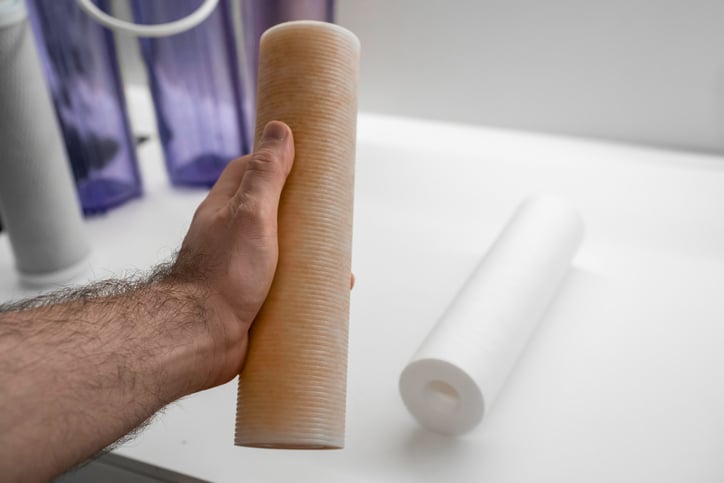
It is recommended to disinfect the insides of the housings with a bleach and water solution every filter change. Turn off the water supply and remove the filters. Then mix one tablespoon of bleach with 1 gallon of water. Pour the solution into each housing and screw the housing back on the unit.
Turn the water supply back on and run the unit without filters. This will help to disinfect the housings as well as the output water lines. After flushing the system sufficiently, remove the housings and make sure that the bleach odor is gone. Then, install new filters for high-quality water.
What kinds of membranes are there?
CTA- cellulose triacetate, an older model of membrane that is resistant to chlorine
TFM- thin film composite, not resistant to chlorine, must have a pre-carbon filter (recommended type).
Should I soak the membrane?
Some older wet membranes included a solvent that would increase shelf life. These membranes required soaking to remove the solvent before installation. Newer dry membranes do not require pre-soaking.
When should I replace the membrane?
The membrane can last between 2 and 5 years. The exact time to change the membrane varies depending on the amount of water processed through the membrane and the water quality of your specific household.
The best way to determine whether your membrane needs changing is to use a TDS (total dissolved solids) meter to determine the filtration performance of your membrane. If your membrane is reducing less than 80% of the TDS in your water, it is time to replace the membrane.
What is the difference between an air gap and non-air gap faucet?
An air gap faucet prevents drain water from siphoning back by having three lines: one for upward drain water, one for downward drain water, and one for product water. A non-air-gap faucet has only one line for product water.
Drain water is pushed upward to the faucet, through a small top trough, then down into the drain. Since the flow isn’t pressurized and the trough is tiny, it can clog with sediment, causing leaks on the countertop. Air gap faucets also sometimes produce a gurgling sound as the tank fills.
What are flow restrictors?
The purpose is to provide water pressure for the system. Does not have to be changed regularly unless the GPM of the membrane is altered. The 1240 Series, the current series, requires a hose-type restrictor; any other older model will require a knob-type restrictor.

What contaminants does reverse osmosis remove?
Ions and Metals
Arsenic, Aluminum, Barium, Cadmium, Calcium, Chloride, Chlorine1, Chromium, Copper, Fluoride, Iron, Lead, Magnesium, Manganese, Mercury, Nitrate, Potassium, Radium, Radon1, Selenium, Silver, Sodium, Sulfate, Zinc
Organic Chemicals
Benzene1, Carbon tetrachloride1, Dichlorobenzene1, Toluene1, Trichloroethylene1, Total Trihalomethanes (THM’s)1
Particles
Asbestos, Protozoan cysts, Cryptosporidium
Pesticides
1,2,4-trichlorobenzene1, 2,4-D1, Atrazine1, Endrin, Heptachlor, Lindane, Pentachlorophenol
1Activated carbon filters, commonly included in RO systems, can provide treatment for these contaminants.
The RO membrane’s efficiency in reducing the amount of contaminant in the water depends on the contaminant concentration, chemical properties of the contaminant, the membrane type and condition, and operating conditions..
Is Reverse Osmosis Water healthy or safe to drink?
Reverse osmosis (RO) water is generally safe—and often healthier—to drink. Its ability to filter out a wide range of invisible, potentially harmful impurities helps lighten your kidneys’ load and ensures clean water.
Some wonder if RO water is “too much of a good thing,” as it removes minerals like calcium and magnesium. While these minerals are reduced, the impact on health is limited since most essential minerals come from food. A diet with fruits, vegetables, and nutrient-rich foods ensures you won’t miss out.
EPA states drinking water should have less than 500 ppm TDS for safety and taste, but tap water often exceeds this. RO systems help families reduce minerals and contaminants, providing fresher-tasting water. For most households, using a reverse osmosis system is a safe and effective way to improve water quality and gain peace of mind.
How easy is it to install an under-sink reverse osmosis system, and what installation considerations should be taken into account?
Most under-sink reverse osmosis systems are designed for DIY installation, and many homeowners have successfully completed the task. It involves mounting the system under your sink, connecting it to the cold water line, and installing a dedicated faucet for purified water.
Note that installing the dedicated faucet may require drilling a new hole in your countertop or sink. If you’re not skilled at drilling through granite or stainless steel, consider asking a friend or hiring a local plumber.
Another important consideration is the drain connection. RO systems must dispose of wastewater safely. They use a drain saddle and often an air gap faucet, which plumbing codes require in many areas to prevent backflow and contamination of filtered water.
Considering that a whole-house reverse osmosis system requires an expert opinion, as water conditions and pre-treatment vary significantly. Consulting a water treatment specialist before making a decision is wise.
When should I change my filters?
Replacement filter changes should occur once every year with systems on municipal water and every six months with systems on well water.
Need quality replacement filters for your RO system?
Shop Reverse Osmosis Replacement Filters

What are some top-rated reverse osmosis systems for residential and light commercial use?
Curious which reverse osmosis systems are favored for homes or small offices? Several reliable options are available, each suited to different needs.
• 4-Stage Systems :usually have a sediment filter, carbon pre-filter, RO membrane, and a carbon post-filter for polishing. This setup strikes a balance between thorough filtration and convenience, often featuring an integrated permeate pump to enhance water efficiency, making it appealing to eco-conscious users.
• 3-Stage Systems: These streamlined units skip one pre-filter but still effectively remove common water contaminants. Featuring a lead-free faucet and compact tank, they fit under most sinks, ideal if space is limited. Improved RO tech means less water waste than older models.
Here’s a quick guideline to help you match your system to your setting:
• For small households, a 25–50 gallons-per-day (GPD) capacity is usually sufficient.
• Larger families (four or more) may want to spring for a model rated 50 GPD or higher.
• Light commercial applications often call for something in the 75 GPD range to keep up with higher demand.
Regardless of your preferred style, modern RO systems from trusted brands can deliver crisp, clean water. Just make sure the system you choose is certified to tackle the specific concerns of your water supply.
What factors affect the cost of a reverse osmosis system?
When searching for the best RO system, there are several factors to consider. These factors contribute to determining the overall cost of a reverse osmosis (RO) system, both initially and over the long term.
1. Filter and membrane replacement involves regular swaps: filters every 6-12 months, RO membranes every 2-3 years. These costs are like changing your car’s oil, for your drinking water.
2. Maintenance and Upkeep Routine maintenance, such as periodic system cleaning and sanitization, will also contribute to annual costs. Added together with filter changes, yearly upkeep can range widely depending on your water source and usage.
3. Water Quality If you’re dealing with particularly stubborn water contaminants (hello, well water dwellers), you might need a more advanced—or higher capacity—system, which may increase costs compared to standard options.
4. System Size and Features Bigger households usually need systems with a higher output, which typically come with a higher price tag. Similarly, models offering extra features, such as UV purification or alkaline remineralization, generally cost more than the basic setups.
5. Brand and Build Quality Premium systems often come with better warranties or more robust construction, but expect to pay a little more for that peace of mind.
By weighing these factors, you can better anticipate the investment required for a reverse osmosis system that’s right for your home and water needs
 .
.
Where in a home can a reverse osmosis system be installed (point of use vs. point of entry)?
Reverse osmosis systems are highly flexible and can be installed in various locations around your home, depending on your specific water treatment needs.
Point of Use (POU)
Reverse osmosis is usually installed at the point of use—like under the kitchen sink or in a bathroom cabinet—filtering water just before use. It provides purified water directly from a dedicated faucet, ideal for drinking and cooking.
You can connect a reverse osmosis system to your refrigerator or ice maker. If you’ve admired crystal-clear ice cubes or desired tastier drinks, this simple upgrade helps. For aquarium enthusiasts, especially those with saltwater or reef tanks, POU RO (often paired with deionization) provides a clean water source for controlled aquatic environments.
Point of Entry (POE)
Reverse osmosis is sometimes installed at the point of entry to treat all incoming water, offering thorough purification. It’s mainly needed for specific issues like high minerals, arsenic, or saltwater intrusion in wells.
There’s something to be aware of. Residential RO systems are not built to supply sufficient flow or pressure for an entire home. For whole-house setups, you’ll need specialized high-capacity systems, ample storage, and typically a robust booster pump—brands like Grundfos and Davey are common choices. Additionally, pre-treatment steps like softening hard water and removing iron are necessary to protect the RO membrane from damage.
In most households, setting up reverse osmosis at one or two taps provides plenty of purified water for drinking and cooking, while keeping installation and maintenance simple.

What are the cost benefits of using a reverse osmosis system compared to buying bottled water?
Installing a reverse osmosis (RO) system saves money by reducing bottled water purchases, which can be costly over time. An RO system only needs occasional filter changes and uses tap water.
Reverse osmosis systems save money beyond direct costs by reducing mineral buildup in appliances, which prevents scale, extends appliance life, and lowers repair or replacement needs. You’ll also save gas and time on frequent trips to the grocery store.
In short, investing in an RO system is a practical way to enjoy clean, filtered water straight from your tap. Say goodbye to the ongoing expense—and plastic waste—of bottled water.
What are the environmental benefits of using a reverse osmosis system?
Installing a home reverse osmosis (RO) system greatly reduces single-use plastic bottle waste by providing purified tap water. This eliminates the need to buy bottled water and decreasing plastic bottles in landfills and waterways.
Many modern RO systems are designed for improved efficiency, reducing water waste with features like permeate pumps and water-saving valves. This results in more efficient water use than older models.By making the switch to an RO system, you contribute to both waste reduction and clever water use. Benefits that help support a cleaner, more sustainable environment.

An Elite Option for Clean, Great-Tasting Water
We all know water is essential—but great water? That’s life-changing. A reverse osmosis system gets you the most out of every drop. Removing impurities so you can hydrate, cook, and clean with confidence. Although it may be more expensive, it’s an upgrade that makes a big difference in your everyday life.
Shop Reverse Osmosis Water Filter Systems
For more information about water filtration systems, check out these articles below:
- How Often Do You Change Your Reverse Osmosis Water Filters?
- What is a Reverse Osmosis Water Filter System?
- Why Saltwater Aquarium Owners Should Consider Investing in a Reverse Osmosis Filtration System
- What is TDS in Water?



Brandon says
Hello Charles, thanks for your response. We do not manufacture RO systems, we do sell them however. To ensure correct installation, it is recommended to hire a professional. If you have any further questions, please feel free to contact us at [email protected]. Take care!
Charles Baldwin II says
I’d prefer a RO system that can handle household volume (between the inlet from the city feed to the house feed).
I assume you manufacture a system capable of handling such volume. If my assessment is correct, will such a system require licensed plumbers and electricians to install it? Or should I just hire a firm like Culligan to install it?
I’m a disabled vet, so I am not able to perform any of the install work.
Thank you.
Carl Capuano says
Hello. I’ve recently purchased a GE water filter(GQSL55F) at Home Depot. Installation went well according to the instructions supplied with the unit except that there is no mention of how or where to install a small restrictor (plastic cylinrical shaped with hole through it) and a screen that came with the filter in a small plastic packet Can you describe where to install these parts. Also, describe what the purpose of the restrictor is. Is the filter designed to operate properly with the restrictor or is it optional. Thankyou. I’v e-mailed GE about this and it’s been over a week without a reply. Thanks for your help. Much appreciated.