



























Are you concerned about high TDS levels in your water? Total Dissolved Solids (TDS) are present in tap water. The Environmental Protection Agency (EPA) does not have a mandatory TDS limit, but does say that TDS levels under 500 ppm are safe to drink.
Read on to learn more about TDS, where it comes from, and what you can do about it!
Where do dissolved solids come from?
TDS is any minerals, salts, metals, cations (calcium, magnesium, potassium, and sodium), or anions (bicarbonates, chlorides, and sulfates) dissolved in water.
TDS comes from the water’s contact with natural sources such as rocks, soil, and other surfaces as it moves through the environment. Naturally occurring minerals like calcium and magnesium, sodium chloride, iron, and sulfides are often found in water supplies with a groundwater source. As water travels, it will inevitably pick up minerals, salts, and organic compounds, which will remain dissolved unless filtered out.
Think of it this way: TDS is a catch-all term for measuring the substances your water collects on its journey to your faucet.
What can cause high TDS in water bodies?
Human activities are the main reason TDS can be higher in water sources such as lakes and rivers. This can include industrial discharges, farm fertilizer runoff, or water draining off city roads. You may not live near a factory, farm field, or city, but water travels and eventually reaches your tap.

Why is measuring and removing TDS important?
TDS is not considered a risk to human health. However, knowing your water’s TDS level can help you spot water quality issues sooner rather than later.
If your water has high TDS levels, it can impact the life of your water filters, meaning you’ll have to change them more frequently. Multiple resources are available to determine your local TDS levels. Enter your zipcode to get your area’s average TDS reading. This information can help you discern if measuring TDS is needed.
Water Hardness
If you have hard water, you may have high levels of TDS in your water. Common signs of hard water are spots on kitchen utensils after washing, or regularly occurring toilet stains. Hard water is more specific to dissolved calcium and magnesium in the water, which is measured differently from TDS. For water hardness, a water softener is the most recommended solution.
Pools and Spas
High levels of TDS can be a considerable problem for pool and spa owners. They can cause cloudy water, scale formation, and reduced sanitizer efficiency. Most recommendations say between 1,000 and 2,000 ppm.
You can address high TDS by draining a portion of the pool, filling it with freshwater, and backwashing filters.
How do you know if you have elevated TDS levels in your water?
Water with high levels of total dissolved solids has the most common signs of scale deposits or buildup, colored water, staining, and a salty or metallic taste.
If you notice any of these indicators, the next best step is to measure total dissolved solids.
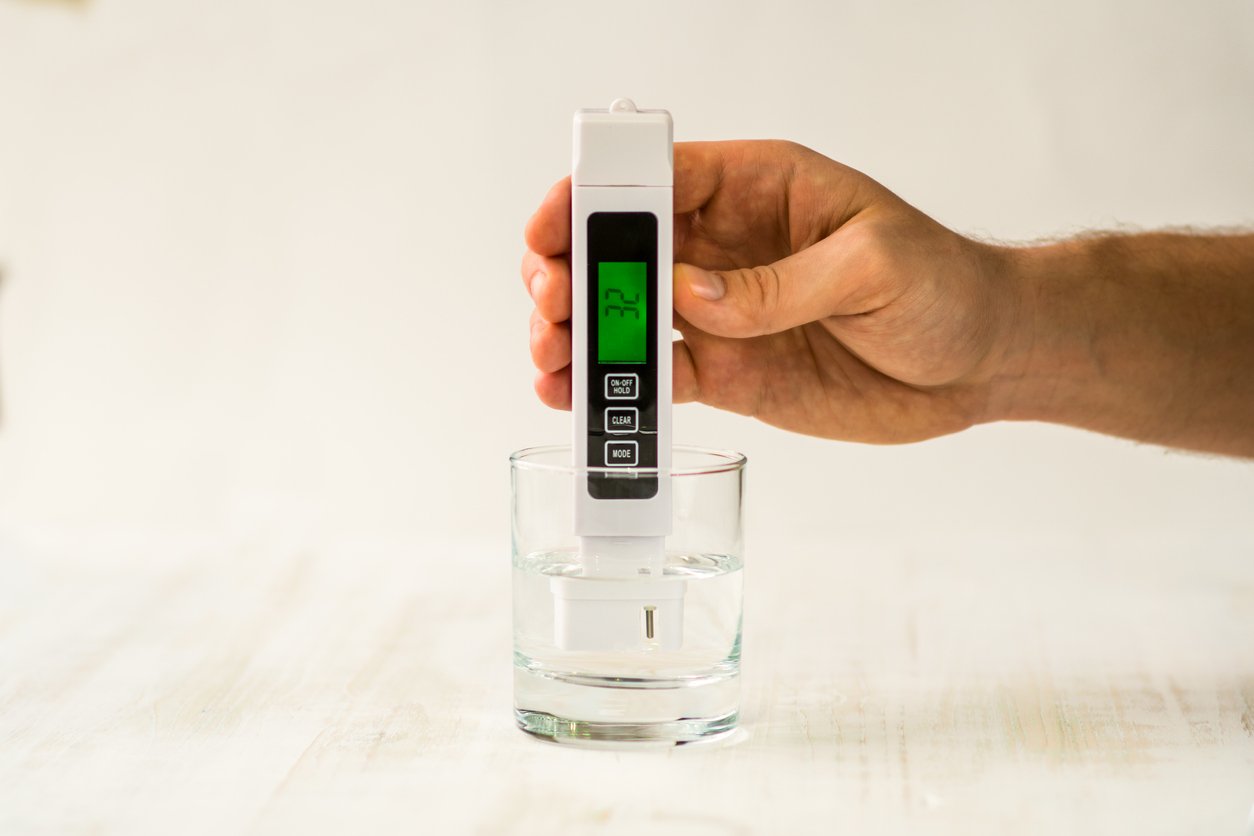
How To Measure TDS
A TDS meter is one of the easiest ways to test TDS in water. It is a small, hand-held device that measures the TDS level by checking how well the water conducts electricity.
It is important to note that a TDS meter does not measure overall water quality. Healthy minerals in water, such as potassium, magnesium, and calcium, can cause your reading to spike. TDS meters do not directly measure heavy metals like lead or other contaminants, such as pesticides, pharmaceuticals, or hexavalent chromium.
Remember, TDS measurements under 500 parts per million (ppm) are safe to consume.
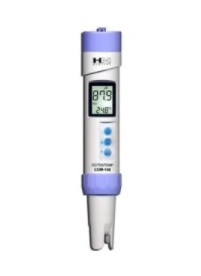 HM Digital Water Quality Tester
Do Water Pitcher Filters remove TDS?
Most standard water filtration pitchers, including Brita Pitchers, are designed to improve the taste and odor of tap water by reducing chlorine and heavy metals. However, these types of filters will likely not affect TDS levels.
However, Culligan’s ZeroWater 5-stage filter is a popular and effective option for removing TDS. Filters Fast carries an affordable, compatible replacement for the ZeroWater 5-stage water filter.

ZR-006 Filters Fast® Replacement for ZeroWater Filter Pitcher
Do Refrigerator Water Filters lower TDS?
Refrigerator water filters improve taste and smell and remove sediment. Filters with an NSF53 certification can reduce lead, mercury, and some pesticides.
Refrigerator water filters use activated carbon and other materials to trap harmful substances. However, they do not reduce or remove TDS. If you use a TDS meter to check the water from your fridge, you may notice little to no difference because the water will still contain calcium and magnesium, the good, healthy minerals you want in your water.
Does Reverse Osmosis remove TDS?
Reverse Osmosis is an effective way to remove TDS from your water. It forces water under pressure through a synthetic membrane. The membrane will only allow molecules smaller than 0.0001 microns to pass through. Molecules of dissolved metals and salts are larger than water molecules, so the water that passes through the membrane leaves the metals and inorganic salt particles behind.
RO systems also remove “forever chemicals” like PFOA/PFOS, chromium, and lead. However, RO filtration will strip virtually all of the good minerals your body needs during the process, so you’ll want to ensure that your diet incorporates these minerals.
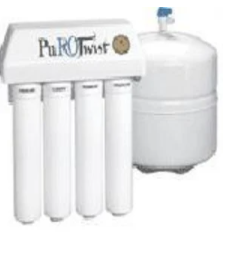
PuROTwist 4000 Reverse Osmosis System
Is Distilled Water free of TDS?
Distilling water involves boiling water to produce water vapor. The water vapor rises to a cool surface and condenses into liquid. Dissolved salts are unable to vaporize and remain in the boiling solution.
Does Deionization remove TDS?
This process involves water passing through a positive and a negative electrode. Ion-selective membranes cause the positive ions to separate from the water and move towards the negative electrode.
The result? De-ionized water with high purity. However, before this can happen, the water must first be passed through a reverse osmosis unit to remove the non-ionic organic contaminants.

FAQs About TDS
Q: After I installed my filter, the TDS was high. Why did this happen?
A: Carbon filters can raise TDS. This is usually more prominent right after you install it. Once you flush your filter, TDS will drop back down. This momentary increase is not harmful.
Q: I used a TDS meter, and the reading was positive. Is there something wrong with my water filter?
A: No, there is nothing wrong with your filter. A TDS meter is a broad test used to determine levels of TDS in liquid. Most meters measure inorganic and organic substances in molecular, ionized, or micro-granular suspended form. Common TDS substances include calcium, phosphates, nitrates, sodium, potassium, and chloride.
When water is void of TDS, it can be flat, have an unpleasant taste, and may lack essential and healthy minerals your body needs. If you think something is wrong with your filter, you must do a test focusing on the contaminants the filter should remove. A TDS meter tests too broad a range and will not give you an accurate reading on whether your water is functioning as it should.
Q: I used a TDS meter, and the results were way higher after filtering the water. Is this normal?
A: The TDS reading can be much higher after water filtering, depending on the filter media used. Sometimes, carbon filter media can release carbon fines during initial use. These harmless particles can cause your TDS reading to be higher. Once the filter is flushed correctly, TDS will decrease, but if you have a carbon filter, you will consistently see higher TDS readings. Using a TDS meter to test your filtered water is not a good measure of whether your filter works.
Q: Can high TDS shorten the life of my water filter?
A: Yes, high TDS can impact the lifespan of your water filter. When water contains more dissolved solids, your filter must work harder. This does not mean your water filter isn’t working; it must filter more. If you live in an area where mineral content is high or if you have hard water, check your filters. Neglecting this can not only ruin your filter, but it can also be the cause of repair costs for your appliance.
Here’s what you need to know about TDS
While certain levels of TDS are not harmful to human health, exposure to TDS can impact daily life over time. Altogether, understanding TDS and what you can do about it is paramount. If you need assistance finding the right solution, contact us at 866-438-3458 or [email protected].



Katie says
Danelle,
Thank you for reaching out to us. It is common to see a higher TDS after filter replacement. Typically, the carbon filters will release carbon fines at first. Once those rinse out the TDS should go back down.
One of the best ways to know when to replace the filters/membrane is to calculate the TDS rejection rate. 55 PPM TDS before filtration and 455 PPM TDS after filtration indicates the system is removing 87.9% of TDS. Most manufacturers recommend replacing the filters/membrane when that effectiveness drops to 75%.
Please feel free to reach out to us if you have any more questions.
Danelle S. says
So had all the filters changed including membrane. The water is 055 with TDS meter. Is this good? At what point in the TDS reading should I change the filters with just 1 senior in the house?
Tap water is at 455 with the TDS reading in Southern Ca.
Thank you for your website. Danielle S.