

























Your home’s air quality plays a crucial role in maintaining your overall health. Poor air quality indoors can cause long-term health effects, including heart disease. Luckily, there are a few actions you can take to improve your indoor environment.
What is Indoor Air Quality?
The Environmental Protection Agency (EPA) defines indoor air quality (IAQ) as the air quality inside and around buildings. It affects the health and comfort of the people who live or work there. They also report that pollutant concentrations can be 2 to 5 times higher indoors than outdoors.
Indoor Air Quality vs Indoor Air Pollution
The measurement of the healthiness of indoor air is referred to as Indoor Air Quality. Indoor Air Pollution is the presence of harmful substances in indoor spaces. Air indoors can contain pollutants such as volatile organic compounds (VOCs), carbon dioxide, mold, pet dander, and fine particulate matter.
Common Indoor Air Concerns:
- Asthma triggers (like dust mites and pet dander)
- Mold and mildew
- Radon gas
- Air quality in schools and workplaces
High levels of indoor air pollution can cause health problems and affect your indoor air quality. To improve your IAQ, you must first look for the sources of indoor air pollution.
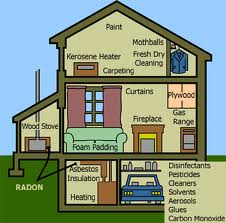
Potential sources of indoor air pollution include:
- Cleaning supplies: Many cleaning products contain VOCs, which can worsen allergies.
- New furniture: Another source of VOCs.
- Mold: Overly humid environments can become a breeding ground for mold spores. Mold spores float around the air and can harm respiratory health.
- Dust: Everyday life brings dust into the mix. It can trigger eye itchiness, persistent sneezing, and make the air feel heavy.
- Pets: Pet dander is microscopic flakes of skin that animals shed. It is a common allergy trigger.
- Smoke: Whether it’s tobacco smoke or wildfire smoke, it lingers in the air longer and can contain harmful chemicals.
- Radon: A colorless, odorless, radioactive gas caused by uranium decay in soil and rock. It can seep into homes and buildings through cracks and can cause lung cancer. It can be identified with a DIY testing kit, but will require remediation if present.
- Building materials: Paint, insulation, flooring, and adhesives can be sources of VOCs.
- Stoves: Cooking fumes can introduce fatty particulates and odors into your home.
- Fragrance: Candles, air fresheners, and personal care products can contain a variety of VOCs, including formaldehyde, ozone, and nanoparticles.
What kinds of things are you bringing into your home and using that affect your indoor air quality? What are the changes you can make today that will help?
Does Outdoor Air Quality Impact Indoor Air Quality?
While the types of pollutants outdoors differ from those indoors, outdoor air can still affect indoor air quality. Outdoor air can infiltrate buildings through openings such as windows, doors, and cracks, as well as through HVAC systems. Dust, smoke, ozone, CO, NOx, pollen, and more can make it’s way into our homes.
It’s a fact that outdoor contaminants will come indoors, but there are steps you can take to control how you handle them. Filtration is essential to ensuring our home’s air stays healthy.
Why is indoor air quality so important?
In addition to causing health risks, poor air quality also impairs learning. Poor indoor air affects everyone. It is especially concerning for children, seniors, and anyone with health conditions such as asthma or heart disease.
The good news? There are simple steps you can take to reduce your exposure to indoor pollutants.
Three Keys to Better Indoor Air:
- Control the Source: Eliminate or minimize sources of pollution. This can include tobacco smoke, cleaning chemicals, or excess moisture that can lead to mold.
- Ventilate: Opening windows and using exhaust fans in kitchens and bathrooms can help dilute indoor pollutants.
- Prioritize Filtration: Use high-quality HVAC filters and replace them regularly. You may also want to consider using standalone air purifiers for rooms where you spend the most time.
It is important to examine what you use and bring into your home, and how they can affect your home’s air quality and your health.
Air Quality is Different Based on Building Type
The average person will spend 90% of their life indoors. Think about where you and your family members spend most of your time: at home, at the office, at the gym, or in school. Depending on which building you’re in, air quality will vary.
For example:
- At home, pets, mold, and cooking or fireplaces can all be sources of pollutants. Every day activities you do in your home contribute to indoor pollution.
- Offices, gyms, and commercial buildings may have different sources of indoor pollution. Including gym equipment, office furniture, cleaning products, and inadequate ventilation.
- Schools typically have high occupancy, limited airflow, and potential exposure to everything from chalk dust to strong cleaning chemicals. Aging buildings can further worsen indoor air quality.
Each of these spaces has its own set of culprits and challenges. It’s essential that you recognize your unique risks and how to take the next best step toward cleaner, healthier air everywhere you go.
Indoor Air Quality During Emergencies and Health Outbreaks
Wildfires, severe weather, or public health emergencies can significantly affect your indoor air quality. Staying informed and taking a proactive approach to your home’s air can make a real difference.
Here’s what to keep in mind:
- Seal Up: When outdoor air is poor, think springtime pollen or wildfire smoke, it’s important to keep your doors and windows closed. Use weatherstripping or draft guards for extra protection.
- Filters First, regularly check and replace your HVAC filters. High-quality pleated air filters with a MERV 8 or MERV 11 rating will help you keep poor indoor air from recirculating in your home. They are the first line of defense, so you should always change them when they appear dirty or every 1-3 months.
- Invest in Air Purifiers: A Portable air purifier with a true HEPA filter will help reduce particles in your home’s air. These are especially helpful during health events or wildfire season.
- Stay on top of symptoms: Headaches, sneezing, or fatigue could mean your air quality needs attention.
Staying ahead of your indoor air quality can help you and your loved ones breathe easier, even during times when it’s needed most.

Low-Cost Ways to Improve Indoor Air Quality
Here are a few practical and affordable ways to start your journey towards better indoor air today:
- Fresh air sesh: Opening windows and doors for at least 5-10 minutes a day can help dilute indoor pollutants. Tip: Check your local air quality and ensure there are no alerts about air quality before opening your home.
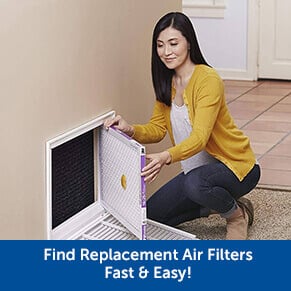
- Replace air filters regularly: Changing your HVAC filter regularly may not be on the top of your list, but it should be. Dirty air filters don’t just stop working; they can actually make things worse!
- Help out with humidity: Use a humidifier (for more moisture) or a dehumidifier (for less moisture) to keep moisture in check. Healthy humidity levels range from 30% to 50% and are essential in helping your home feel comfortable. Maintaining humidity can help prevent mold and dust mites from making themselves at home.
- Pump the brakes on pollutants: Candles, personal care products, and harsh chemical cleaners are the biggest culprits. Consider switching to natural alternatives, such as Erleia Personal Care Products and Meliora Home Cleaning Products.
- Keep it clean: Regular dusting and vacuuming (especially if you have a HEPA filter) can help minimize the accumulation of dust, pet dander, and other allergens on surfaces in your home.
- Helpful houseplants: Air-purifying plants like snake plants, peace lilies, spider plants, pothos, and ficuses will absorb certain pollutants, and they’re nice to look at, too!
With a few simple changes, you can drastically improve the air you and your family breathe.
You don’t need the newest indoor air quality monitor or an expensive device to improve your home’s air quality. With a few simple changes and awareness, you’ll notice a significant difference.

Better Air, Better Life
Indoor air quality can’t be ignored. It affects our daily lives, and there’s something we all can do about it! Making small changes can make a big difference, and it all starts today.
If you’re ready to take a path to better air quality, we’re here to help. Our Customer Care team is ready to help you find the tools you need to have better indoor air quality. You can reach us at 866-438-3458 or [email protected].
Related Articles:
- Indoor Air Quality: Is Your Home Making You Sick?
- 4 Things That Could be Affecting Your Indoor Air Quality
- A Homeowner’s Guide to Improving Indoor Air Quality
- Why Your Indoor Air Quality is Important During a Crisis



Leave a Reply