



























- Remove protective cap and flush new filter before installation to avoid air bubbles and carbon media taste issues.
- Ensure filter is fully locked in place and check rubber gaskets to prevent leaks, poor flow, and noises.
- Troubleshoot water pressure, frozen tubes, or faulty inlet valves if dispenser water flow is irregular or stops.
Changing your refrigerator water filter should be easy, but sometimes, you may encounter some issues. In this blog, we’ll review common refrigerator water filter problems and how to troubleshoot them.
Common Installation Mistakes
Here are a few common installation mistakes that could cause your new filter to go less than smoothly:
- The protective cap has not been removed from the new filter. Before installing your new refrigerator water filter, remember to remove any protective caps.
- Failure to flush the new filter. This is an important step that many forget. Flushing your new filter helps remove air bubbles from the water line and clears your filter of any carbon media that may have come loose during shipping. Want more information? Check out our blog, How to Flush Your Refrigerator Filter.
- For base-grill filters, don’t throw away the reusable refrigerator filter cap; you may need it later!
Concluded that the common problems listed above aren’t the problem? It’s time to troubleshoot!
Here’s a quick troubleshooting guide to identify common refrigerator water filter problems, likely causes, and recommended fixes. For more detailed troubleshooting steps and other issues you might run into, continue reading below.
| Problem/Symptom | Likely Cause | Recommended Fix | Related Products/Categories |
|---|---|---|---|
| No water after replacing the filter | The filter may not be fully installed, or there may be an issue with the water inlet valve. | Remove and reinstall the filter, making sure it locks securely into place. If the water still does not come out, reinstall the old filter to help identify whether the new filter is causing the issue. | Inlet Valves |
| Water is dropping or leaking | The filter may not be seated correctly, or a connection, gasket, or washer may be loose or misaligned. | Remove and firmly reinstall the filter. Check the filter seal, fittings, connections, and gasket or water for problems. | Refrigerator Accessories |
| Water flow is irregular or sputtering | Air may be trapped in the water line after replacing the filter. | Hold the dispenser lever down for about 2 minutes to help clear trapped air. If the problem continues, inspect the water tubing. | Refrigerator Accessories |
| Water pressure or flow is slow | The filter may be clogged, the water valve may be faulty, or the supply line may be restricted. | Check the water valve and supply line. If the filter is clogged or has reached the end of its useful life, replace it. | Inlet Valves |
| The filter is difficult to remove | The filter may be too tightly seated in the housing. | Gently rock the filter from side to side while pulling it down. Remove the shelf above it first if necessary to provide more room. | Refrigerator Water Filters |
| The filter is difficult to install or won’t lock into place | The filter may need additional pressure to lock, or the filter mount may be damaged or misaligned. | Verify the protective cap has been removed and apply firm pressure while turning the filter into position. Inspect the mount if it still won’t lock. | Refrigerator Accessories |
| The dispenser stops after a few seconds | Low water pressure or a kinked, clogged, or restrictive supply line may be limiting flow. | Inspect the supply valve and tubing for restrictions and check the refrigerator’s water pressure. | Refrigerator Accessories |
| Water tastes different after replacing the filter | The new filter may not have been fully flushed, leaving loose carbon media or affecting the initial taste. | Flush the new filter according to the manufacturer’s instructions before regular use. | Refrigerator Water Filters |
Troubleshooting Tips for Refrigerator Water Filter Problems
Problem: The refrigerator does not dispense water after replacing the filter
If this happens, the water filter most likely did not snap into place. If you feel that it is, and you’re still having issues, it could be the refrigerator water valve.
Tip: To check, reinstall the old filter. If water comes out of the old filter but not the new one, the problem is with the new one, not the water valve. If water does not come out of the old or new filter, the problem is with the water valve.

Problem: Water is dripping or leaking out of the dispenser.
Tip: Remove the fridge filter and re-fit it into the refrigerator with a sharp twist to lock it into position.
If the drip continues, it could be improperly fitting system parts or a loose water line connection. Here’s how to troubleshoot:
- Shut off the Water Supply: Turning off the water supply will prevent continued leakage and ensure safety.
- Check the Connections: Inspect all fittings and connections. A loose-fitting part could be the problem.
- Tighten Up: If you’ve found a loose part, tighten it securely.
- Call a Professional: If the leak continues, it’s time to call a repairman to help identify the issue.
Problem: Water flow is irregular.
Tip: If this happens, there is likely still air in the lines. When this happens, press the dispenser lever down for 2 minutes until water flows freely. If this does not fix the issue, you may need to replace the water tubing. Need replacement parts? Filters Fast carries a wide selection of replacement appliance parts for your convenience.
Problem: Difficulty with removing or installing the filter
Tip: Sometimes, all you need is a little force. For removal, the problem is sometimes pulling the filter down and out. Try rocking the filter sideways while pulling it down; this should work.
It’s a good idea to remove the top shelf from the refrigerator, as its sudden release could damage it. For installation, apply more force and keep turning until it is locked into position.
Problem: Water tastes different
Tip: Refrigerator water filters do not affect the taste of water because they remove chemicals and contaminants. However, you may notice a difference in taste. The older the fridge filter you are replacing, the more likely you are to notice a taste difference. Installing a new filter will improve the taste because it is now subject to more rigorous (and more effective) filtration.
Problem: The filter seems clogged
Your refrigerator water filter may not last the industry-standard 6 months. This depends on your water quality and usage.
Tip: If your water pressure starts to slow, your filter could be clogged. First, check the system’s valve to ensure it’s not affecting the water pressure. If you have a faulty valve, replacing it should fix the issue.
Have you noticed a sudden drop in water quality? Conduct a water test to determine what might be wrong. You can do this with an at-home water test or by asking your municipal water supplier for that information.
However, poor water quality can still occur even if your water filter works properly. A common culprit is water pipes. Broken or deteriorating pipes can cause blockages and degrade water quality. In that case, it’s best to call a plumber to investigate and fix the issue.
Note:
If you decide to resolve fridge problems yourself, we recommend disconnecting the refrigerator and turning off the main water supply. Wear work gloves and use towels to catch residual water. Also, secure lines with locking clips to prevent flooding.
Also, if you’re uncomfortable dealing with any of these issues, please contact a professional!

Refrigerator Water Filter Issue FAQs
What could cause the refrigerator water dispenser to shut off after dispensing for a few seconds, even with a new filter?
If your dispenser only runs for a few seconds before shutting off and a new filter didn’t help, there’s another issue to consider: the pressure from the water supply line.
Many homes have the refrigerator water line directly off the kitchen sink’s cold water line. If the tap is a self-piercing saddle valve (usually included in installation kits), it may restrict water flow or fail to provide sufficient pressure.
Sometimes, you’ll find that running the kitchen faucet while the fridge is running helps it dispense normally. That’s a big clue your line isn’t letting the water through when the faucet is off.
If you’re a DIYer, here’s what you can do:
• Check the Water Valve Type: If you spot a small clamp or valve attached to the copper pipe under your sink, it’s probably a self-piercing valve. These are notorious for clogging or never supplying enough water.
• Replace With a Standard Valve: If possible, swap out the saddle valve for a standard shut-off valve or a needle valve designed for water filtration systems (look for brands like SharkBite or Watts).
• Check for Kinks or Clogs: Inspect the water supply tubing from the source to the fridge. Kinks or sediment buildup can restrict water flow.
• Test Your Water Pressure: Your refrigerator typically requires a minimum of 20-40 psi for proper dispenser operation. If you have a gauge, test your pressure at the fridge connection.
If you notice the dispenser works fine when the faucet is running, your fridge isn’t getting enough pressure on its own. Resolving the supply line or value should make everything run smoothly.
What can be done if the water inlet connector or filter mount is damaged or misaligned?
Often, the problem isn’t with the filter, but with the mounting bracket (also called the filter head or mount) or the water inlet connector inside the fridge. If the piece is broken or warped, the new filter may not lock in properly, leading to malfunctions such as leaks or no water at all.
Try:
- Inspect the filter mount: Using a flashlight or small mirror, look at the area where the filter connects inside the fridge. If the inlet nipple (the small tube or post the filter slides onto) is crooked, cracked, or not lining up as it should, that’s likely your culprit.
- Replace the filter mount: For a permanent solution, order a replacement filter mount or head that matches your refrigerator model. These are available from most major appliance brands (such as GE, Whirlpool, and Samsung) and can usually be swapped out with basic tools.
- Temporary workaround: If you’re in a pinch, some folks have used a small piece of non-toxic plastic (think the tip of a plastic fork or straw) to gently prop or straighten a crooked nipple until a replacement part arrives. Be sure whatever you use is food-safe and fits securely.
- How to replace the mount: To get started, turn off the fridge and shut off its water supply. Disconnect the water lines from the old mount, remove any necessary covering panels, and carefully install the new mount, ensuring the water lines are securely reattached.
Ensuring the filter mount is properly aligned keeps the filter snug, prevents leaks, and ensures water flows as intended.

What are some troubleshooting steps if replacing the filter causes loud noises or “water hammer” in the system?
After swapping out your fridge water filter, you may hear banging or knocking noises in the water line, commonly called “water hammer”. It may catch you by surprise and usually indicates a safety feature in modern supply lines.
Newer fridge water supply lines, like SharkBite or Watts, are equipped with a “anti-flood” or “hammer arrestor” valves. A rapid change in water pressure, such as filter replacement, can trigger them and stop water flow.
If water won’t dispense and you’ve already double-checked your installation, here’s a quick troubleshooting step to reset the anti-flood valve:
• Turn off the water supply to your refrigerator at the shut-off valve.
• Disconnect the supply line from the shut-off valve. You may hear a small click or pop.
• Wait 1–2 minutes, then reconnect the supply line.
• Turn the water supply back on and test the dispenser.
Resetting the valve should restore flow. If you hear banging after following the steps, consider installing a dedicated water hammer arrestor to cushion pressure surges.
For any further noise or water delivery issues, contact a plumber or the manufacturer’s support line to check for blockages or problems with the water line setup.
What role do rubber gaskets or washers play in getting the water filter to work properly?
A common, and overlooked culprit behind leaks, poor water flow, or “jackhammer” noises in your dispenser is the rubber gasket. These refrigerator accessories play a huge role in making sure your filter is properly sealed inside your fridge.
If the rubber gasket or added washer is missing, misaligned, or doesn’t fit tightly, you could run into:
• Leaks around the filter area
• Sputtering or pulsing sounds from trapped air
• Low or inconsistent water flow
Having a gasket or washer makes a huge difference. It ensures a seal between the filter and housing, stopping air leaks and maintaining water flow. Some filters have an extra rubber washer; if not, you can use an old one from your old filter.
If things are sealing, gently untwist and reinstall the filter, or use a standard rubber or silicone washer to help the filter settle in.
So, if you’re experiencing strange noises or leaks, double-check the gasket or try inserting a new rubber washer. It could be the simple fix that gets things running perfectly again.
What is the minimum water pressure required for the water dispenser to work properly?
For most refrigerator water dispensers, a minimum household water pressure of 20 psi (pounds per square inch) is required for the inlet valve to function properly.
If your pressure is below this, there may be no or very little water flow from the dispenser, regardless of the filter condition. Consider checking your home’s water pressure. If it’s too low, it may be a good idea to contact a plumber or local water utility for assistance.
What should be done if the water dispenser only works when the kitchen faucet is running?
If the water dispenser only works when the kitchen faucet is running, try checking the water line connection to see if it is running off the faucet. If it is, low pressure is usually the issue rather than a defective filter.
Here’s how to get things flowing smoothly:
- Upgrade the Valve: Saddle valves can clog or restrict water flow over time. Consider replacing it with a standard drill-type valve or a dedicated water supply valve to ensure consistent water pressure to your refrigerator.
- Inspect the Water Inlet Valve: Although less common, a weak or failing inlet valve (where the fridge’s water line connects to the appliance) could also cause intermittent dispensing. If replacing the supply valve doesn’t help, check the inlet valve for proper operation.
- Clear Any Blockages: Kinks, clogs, or mineral buildup in the water line can drop pressure. Inspect the entire length of tubing for bends or buildup and replace as needed.
Bottom line: Start by improving the water supply hardware and line placement. Once you have a steady, reliable water pressure, your dispenser should work without running the kitchen faucet. If the issue continues, the inlet valve may need a closer look or professional replacement.
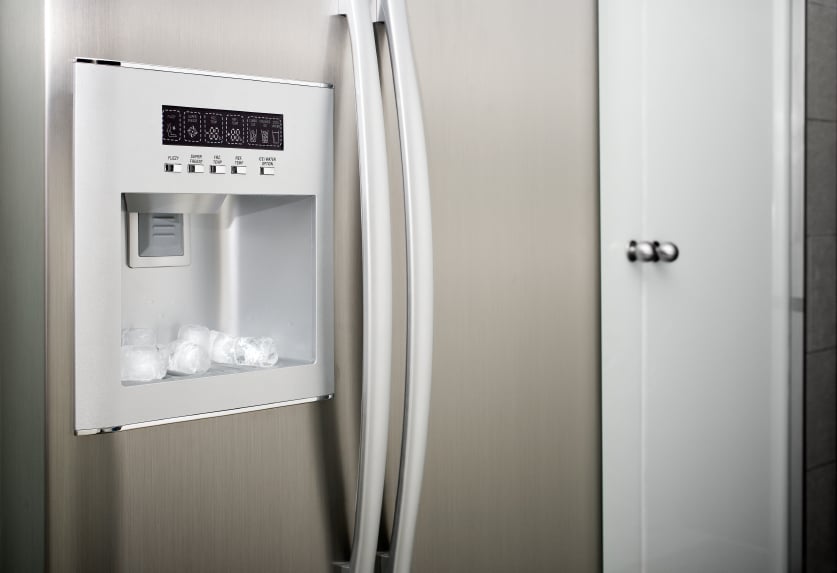
What can I do if the water supply tube in the refrigerator door is frozen?
If your fridge water dispenser isn’t working, the problem could be a frozen water supply tube. Before calling for help, try out the following:
- Check the Water Line: Most refrigerator doors have a connection point at the bottom or top where the water tube enters. Disconnect the tube and try gently blowing air through it—if air moves freely, the line isn’t frozen. If not, that’s your sign ice is blocking the way.
- Thaw the Tube: To defrost the frozen section, let the refrigerator door sit open or use a hair dryer on the lowest setting. Be patient and cautious—don’t overheat the area or the plastic parts.
- Monitor Your Freezer Temperature: Setting your freezer temperature too low (below 0°F) can contribute to a frozen water line. Aim to keep the freezer between 0°F and 10°F, as recommended by most refrigerator manufacturers like Whirlpool, Samsung, and GE.
After thawing, reconnect everything and test your dispenser. If you have to repeat this action, inspect your freezer settings or call a professional for help.
How can using hot water or warming the filter area help resolve dispenser issues?
A neat trick to fix a frozen water dispenser is to place a bowl or small pan of hot tap water directly under the filter housing or inlet tubes inside the fridge. This can gently thaw any trapped moisture or loosen tight fittings.
The warmth can dislodge stubborn air bubbles or minor ice blockages, restoring water flow without special tools. Just ensure the water is hot but not boiling, so it won’t warp any plastic components.
Let it sit for a few minutes and then test the dispenser again. You may find that it’s all it takes to get it working again.

What freezer temperature should I maintain to prevent the water line from freezing?
To keep your water line from freezing solid inside the refrigerator door, it’s a good idea to maintain a temperature between 0°F and 10°F. Any lower, and you’ll risk a freeze.
If you suspect a freeze, try this:
- Locate the water supply tube (typically at the bottom or top edge of the freezer door).
- Carefully disconnect the tube and try blowing air through it toward the dispenser:
- If air flows through, your line isn’t frozen.
- If not, gently thaw the affected area; often, a hair dryer on low or letting the door stay open for a bit will do the trick.
- Once thawed, double-check your freezer’s temperature setting to prevent the problem from returning.
By keeping your freezer temperature in check and monitoring those water lines, you can avoid the hassle of unexpected ice blockages and keep everything flowing smoothly.
How can I tell if the water supply tube in my refrigerator door is frozen?
If your filters are okay but the water still won’t dispense, the supply tube may be frozen. Here’s how to tell:
- Locate the Water Line Connection: Find the spot where the water supply tube enters the bottom or top of your refrigerator door.
- Disconnect the Tube: Gently remove the tube from its connector (you might need a small wrench or to press a release tab, depending on your fridge model).
- Test with Air: Try blowing air through the tube toward the dispenser. If air moves freely, the tube isn’t frozen. If air won’t pass through, there’s likely a blockage—meaning ice has formed inside.
- Thawing the Tube: If you discover a freeze, leave the door open for a while to thaw naturally. You can also use a hair dryer on a low setting, aimed at the outside of the door near the blocked section. Just be cautious not to overheat the appliance or damage it.
Believe it or not, regularly opening and closing the freezer door can cause freezing issues, so monitor the temperature and ensure the door gaskets seal tightly to prevent blockages.
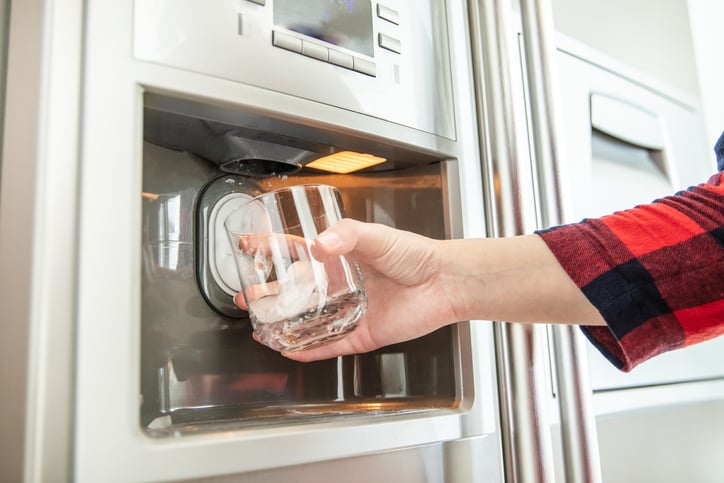
How can a defective door switch affect the water dispenser in my refrigerator?
The door switch is a small component that accomplishes two things when you open the fridge or freezer: it turns the light on and signals the fridge to turn off the ice and water dispensers. If it goes bad, your fridge may think the door is always open, which keeps the water and ice dispensers permanently off.
You’ll need a multimeter to test the door switch for continuity; if it doesn’t show continuity, it’s time for a replacement.
What should I do if the refrigerator door switch does not have continuity?
If you’ve tested your refrigerator’s door switch with an Ohm meter and discovered it doesn’t have continuity, you may have found the reason it’s not working.
The door switch not only controls your freezer light but also turns off your water and ice dispenser when the door is open. Which means, if the switch isn’t working, the dispenser won’t either.
Here’s how to proceed:
- Replace the Door Switch: Order a replacement door switch compatible with your refrigerator’s make and model. Popular brands like Whirlpool, GE, Samsung, and Frigidaire sell them as readily available parts.
- Unplug the Refrigerator: Always cut power to your fridge before working with any electrical components—safety first!
- Access and Swap the Switch: Typically, the switch is located near the top or side of the door frame. You can usually pop it out with a flat tool or screwdriver. Disconnect the wires from the faulty switch and connect them to the new one.
- Test Your Work: Plug the refrigerator back in and check both the interior light and the water dispenser.
We recommend contacting a qualified appliance repair technician for this issue, especially if you’re not comfortable replacing electrical parts.
When to Replace Your Refrigerator Water Filter vs. Call a Professional
Not every refrigerator problem can be solved with a new filter. Use these general guidelines to determine your next step.
Replace the water filter if:
- Water flow has gradually slowed, or it’s time for a replacement.
- Your water has started to taste different, or there’s a distinct odor.
- You think your filter might be clogged, or you can’t remember when you last replaced it.
- You know the filter is compatible with your fridge, but you’ve noticed a decline in the performance.
Consider calling a plumber or appliance repair professional if:
- Leaking continues after you’ve checked and reinstalled the filter.
- Water pressure remains low after replacing the filter, and you don’t notice any signs of supply-line restrictions.
- You suspect there’s a problem with the water supply line, valve, plumbing, or other refrigerator component.
- Your refrigerator won’t dispense water after you’ve tried the recommended troubleshooting steps.
- You are not comfortable performing repairs yourself.
When in doubt, it’s always a good idea to check your refrigerator’s owner’s manual or contact a qualified professional before attempting a repair.
Pro-tip: Always keep your refrigerator’s owner’s manual and warranty information. You might be able to have the refrigerator manufacturer or the company you purchased the refrigerator from cover the repair cost.
Problem Resolved. Fresh Water Accessible
Replacing your refrigerator water filter every six months is the best way to ensure you have filtered water continuously. If you are experiencing issues, consult your owner’s manual. If the problem persists, contact the refrigerator or filter manufacturer.
Do you have any troubleshooting tips for changing your refrigerator filter that you’d like to share? Feel free to leave them in the comments below.
Related articles:
How to Change Your Refrigerator Water Filter
Flushing Your Refrigerator Water Filter: How and Why You Should Do It
Resetting Your Refrigerator Indicator Light



Brandon says
Hello Karen, thanks for reach out to us. It sounds like it may be a manufacturing issue, so it’s recommended to contact them or consult the refrigerator manual. If you need assistance, please contact [email protected].
Karen Wiles says
Bad taste after installing filter and FIltersFast promptly replaced. Received the replacement filter and after a few weeks, having the same problems with taste. Have used these filters for years without problems but need to know if it is a manufacturing problem or if I need to order a different brand.
Katie says
Dianna,
Thank you for reaching out to us. This not something that we’ve heard about happening before. It sounds like this could very well be a manufacturing issue since it starts working again once you change the filter. We would suggest reaching out to the maker of your fridge to see if they can offer a solution. Please let us know if you have any other questions!
Dianna says
Our ice quits working in the refrigerator about every month. As soon as I change the filter it starts back up. This is a $50 charge every time. Is there a reason why it is having to be changed so often. On the package it days 4 to 6 months.
Katie says
William,
Thank you for reaching out to us. It may take up to 24 hours before the first batch of ice is ready. If after this period ice is still not being produced, we would recommend removing the filter and inspecting it along with the insertion point for any possible obstructions. If none are found please reinstall and ensure a proper seal is made. For technical support please reach out to the refrigerator manufacturer directly.
Katie says
William,
Thank you for reaching out to us. It may take up to 24 hours before the first batch of ice is ready. If after this period ice is still not being produced, we would recommend removing the filter and inspecting it along with the insertion point for any possible obstructions. If none are found please reinstall and ensure a proper seal is made. For technical support please reach out to the refrigerator manufacturer directly.
William L.Rogan says
Replaced with new filter, water runs ok , ,icemaker not operating
William L.Rogan says
replaced filter with a new replacement ,the icemaker is not working but the drinking water is running. Freezer is running ok.
Katie says
Rudy,
Thank you for reaching out to us. Mechanically, the filter may be able to last longer. However, it is recommended to change most carbon filters at a maximum time-frame of 6 months. The reason behind this is that carbon can harbor bacteria over time. Changing it at a maximum time-frame of 6 months should help prevent this from occurring.
Katie says
Gerald,
Thank you for reaching out to us. We would recommend checking the water supply line to the refrigerator to ensure there are no kinks or unnecessary bends that may be restricting flow. It is also recommended to give the refrigerator a few hours to let the reservoir in the refrigerator fill completely before dispensing large amounts of water. Besides this, it is possible another refrigerator component may need replacement. We would recommend reaching out to the refrigerator manufacturer for troubleshooting support.
Katie says
Randal,
Thank you for reaching out to us. We are sorry to hear that is not functioning as intended. If that was purchased from http://www.filtersfast.com please reach out to our Customer Experience team at [email protected].
Katie says
Joe,
Thank you for reaching to us. It can take 24 hours before the first batch of ice is made. If it has been longer than this; we would recommend removing the filter and inspecting it, along with the insertion point, for any possible obstructions. If none are found it is possible you may have a defective filter. Please reach out to the vendor for a replacement.
Katie says
Rodney,
Thank you for reaching out to us. We have shared your comments with our Customer Support team and they should be in touch with you shortly.
Katie says
Michael,
This is good to know! Thanks for sharing!
Katie says
Lawrence,
Thanks for sharing!
Katie says
Mark,
Thanks for sharing!
Rudy Avadikian says
I’ve used my water filter for more than 8 months with no significant reduction in flow. Is it still filtering properly or is the filtering capability reduced?
Michael Randisi says
Clogged filter will cause problems with ice maker
Rodney k Voisine says
I had a 10% discount on a e-mail that was posted before I even placed my order #10940938 which she was into my account it should of been picked up since I was a returning customer
Gerald Blaylock says
After changing my G.E. frig filter the water comes out more slowly than before. It occurred with a previous filter by another supplier and also your filter. What is the cause? I have taken it out and drained it but no change.
Randal Sheppard says
When I buy your fridge filter, the little door that covers the filter won’t close I have a Whirlpool side by side! Your filter number WF 537. When I buy the Whirlpool it closes! I have to prop a bottle of juice or something to hold it down, but it still won’t shut and catch.
Lawrence Deringer says
I had problems replacing my filter located at the bottom of my refrigerator like taking the old one out , water going everywhere and difficulty pushing the new one in. I re-read the manual and discovered that I needed to shut off the ice maker by lifting the arm up. The old filter came right out and the new one snapped right in with no problems.
Mark says
For Maytag and some other brands, if you replace the filter and suddenly have very low flow, check out this solution. Worked perfectly for me. The manufacturers need to fix this, but until then, we have a workaround. https://www.youtube.com/watch?v=_yTOZZgLjGQ
joe says
what about icemaker not making ice after filter change?any ideas?