




























Many people forget to clean their refrigerator water lines during regular maintenance. In this this blog, we’re sharing the importance of performing this essential task and easy-to-follow instructions.
What are refrigerator water lines? How do I know if my refrigerator has a water line?
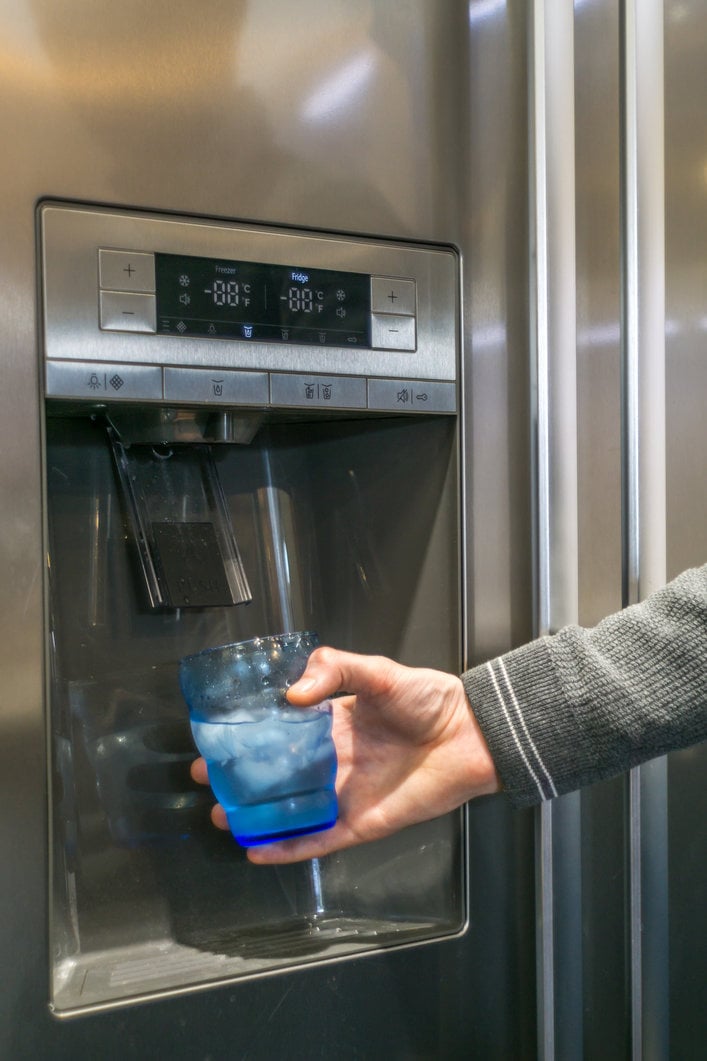
If your refrigerator has a built-in water dispenser and/or automatic ice maker, it has water lines. Water lines assist in getting water to your refrigerator so that you can enjoy water from the dispenser or so that your fridge can make ice.
Refrigerator water lines are usually found on the back of a fridge.

Signs You Need to Clean Your Water Lines
Here are a few reasons why you may want to consider cleaning your fridge’s water lines:
- If the water coming from your refrigerator water dispenser tastes like mildew
- Your refrigerator was recently repaired
- You have hard water
- If your refrigerator stops dispensing ice or water, suddenly
How Hard Water Can Impact Your Water System
Hard water results from high levels of dissolved minerals like calcium and magnesium in your water. Having hard water can cause issues for your refrigerator’s water system.
Blockages
Hard water leaves mineral deposits behind. Over time, these deposits will accumulate and form limescale. Limescale buildup obstructs water flow, slowing the system and potentially leading to a blockage.
Water Quality
Hard water, even with a filter, will alter the taste of your water. This will affect your experience when drinking water or using ice from your fridge.
Bacteria and Mold
Mineral deposits can be breeding grounds for bacteria and mold, which can be a risk to your health over time.
Appliance Lifespan
Hard water can shorten the life of your refrigerator. An excess of minerals in your water can accelerate the wear on your appliances’ components, leading to expensive damage, repairs, or even replacements.
If you have hard water, using a water softener and regularly replacing your filters can help keep your water lines clear and your water quality pure.
How do you flush refrigerator lines?
These are general instructions for cleaning refrigerator water lines. Please consult your owner’s manual or contact the refrigerator manufacturer for specific instructions.
- Unplug refrigerator.
- Turn off the water valve.
- Dump any ice in your freezer (if applicable).
- Remove the refrigerator water filter.
- Locate the reservoir (if applicable) and empty any water out.
- Clean out the reservoir with 1 cup of vinegar per gallon.
- Flush a few times before reconnecting the water lines.
- Your refrigerator might have separate lines for the water and ice maker; flush both. Locate both and disconnect one end.
- Pour distilled vinegar down the tube(s). Pro tip: A funnel might be handy here.
- Let the vinegar sit and soak for about 10 minutes in the water line(s). Pro tip: Use a clamp to close the end of the waterline(s) while the vinegar is soaking.
- Once the vinegar has soaked, run it through the water dispenser. If you have an ice maker line, drain the vinegar from the line with clean water and reattach it before running it through the water dispenser.
- Rinse your water line(s) with clean water to remove any remaining contaminants or traces of vinegar.
- Make sure to wash your ice bin with warm water and vinegar.
- Thoroughly dry the bin before reinserting it into the refrigerator.
- Hook the water lines back up.
- Turn your refrigerator back on.
- Please install a new refrigerator filter (do not reinstall the old one) and turn the water supply back on.
- Run a few glasses of water through the dispenser to eliminate residual vinegar. If applicable, dispose of the first few batches of ice.
Why use distilled white vinegar to clean refrigerator water lines?
Distilled white vinegar is generally favored for cleaning due to its natural acidity. Vinegar is an affordable, natural cleaning option. Using vinegar to clean eliminates the need for harsh chemicals, making it the safest choice for your appliance and the environment.
Distilled vinegar’s acidity helps eliminate bacteria and mold, ensuring your water lines remain safe and hygienic.
Vinegar can also help break down mineral deposits, which can accumulate in water lines over time. This can lead to blockages or reduced water flow. Vinegar not only dissolves these disposits, but it also cleans the water lines.
Using white vinegar to clean your refrigerator water lines can help increase the efficiency and longevity of your refrigerator’s water system.
Do you need to replace your waterlines? We’ve got you covered. Find your fridge brand for replacement refrigerator water lines or tubing for GE, LG, and more.
When to Replace Fridge Water Filter
Regular water filter replacement is key if your refrigerator provides ice or water. Refrigerator filters should be replaced every six months to ensure quality and consistency.
You may need to replace your fridge filter more frequently if you live in an area with poor water quality, have many people living in your home, or if your refrigerator manufacturer requires more frequent filter changes.
Keeping your refrigerator water lines clean and your fridge filters replaced regularly will ensure you and your family enjoy a consistent flow of clean, filtered water and ice.



Katie says
James,
That’s great to hear! We’re glad you found the instructions helpful. Please let us know if you need anything else!
James Harvey says
I followed your instructions, it worked and very easy to follow.
Katie says
James,
Thank you so much for your comment. We’re glad you found the instructions helpful!
James Harvey says
Thanks for your post, your instructions are very easy to follow and my ice now has no weird smell.
Katie says
Amy,
Thank you for reaching out to us. We are sorry to say that we are not aware of an aftermarket product for that application. For refrigerators with an icemaker only, it is normally recommended to dispose of the first two batches of ice. We would also recommend reaching out to the refrigerator manufacturer for technical support.
Amy says
I have the same question as above. How do I flush out my water filter when I only have an icemaker…no water dispenser. This is quite frustrating because my ice maker is really slow so it takes me DAYS to flush out the filter. Is there an after market tool that I can hook up to a hose?
Katie says
Lee,
Thank you for reaching out to us. You should be able to complete the steps for your application. Please dispose of the first few batches of ice. For model-specific instructions we would recommend reaching out to the refrigerator manufacturer.
)ee says
What if my refrigerator has an icemaker but doesn’t have an in-door dispenser?