











In recent years, wildfires have destroyed parts of Australia, Canada, and California, and hurricanes have harmed coastal and inland communities. Natural disasters continue to disrupt and devastate the lives of millions. These unpredictable disasters have shown us the importance of emergency planning.
Natural disasters impact our water and air, vital elements of our everyday lives. We’ve gathered some helpful information to keep you and your family members safe during a natural disaster.
How to Prepare for a Drought
Droughts deplete water supplies and cause the air to become stagnant, which can trap emitted pollutants and cause increases in surface ozone.

How Droughts Affect Water Supply
One of the more obvious water-related issues many people face during a drought is restrictions on water use. But did you know that droughts can also affect water quality?
Droughts reduce stream and river flows, which can increase the concentration of pollutants in water and cause stagnation. Higher water temperatures in lakes and reservoirs can also reduce oxygen levels. These levels directly affect fish and aquatic life and water quality.
Viruses, protozoa, and bacteria can pollute groundwater and surface water when rainfall decreases. If you drink water from a private well, you may be at high risk for drought-related infectious diseases. Acute respiratory and gastrointestinal illnesses can spread more easily when a perceived lack of water compromises hand washing.
Ensuring that any water you use is purified and good for you and your family is imperative. Testing your water is one of the easiest ways to ensure it is safe during a drought.
Here are a few things you’ll want to have on hand if a drought strikes your area:
Water Test Kits
The ITS Complete Home Water Quality Test Kit allows you to test for contaminants, including bacteria, nitrates, nitrites, and more.
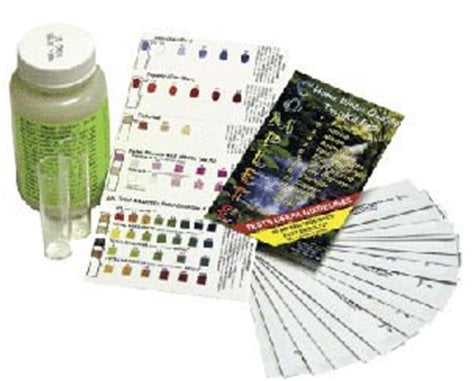
ITS Complete Home Water Quality Test Kit
UV Water Filter System
Ultraviolet water filtration is an excellent way to disinfect water and protect against viruses, protozoa, and bacteria. If you live in an area prone to drought, investing in a UV water filter system might be a good idea. Check out our wide selection of UV water filters that fit your needs or budget.
Air
Dusty, dry conditions and wildfires often accompany droughts, which can harm your health. Fires, dry soil, and vegetation increase the presence of particulates suspended in the air, like pollen and fluorocarbons. This irritates your bronchial passages and lungs and can worsen respiratory illnesses like asthma. There is also an increased risk of acute respiratory infections like bronchitis and bacterial pneumonia.
Droughts can also increase the presence of airborne toxins originating from freshwater blooms of cyanobacteria. These toxins can become airborne and have been associated with lung irritation, which can lead to adverse health effects.
Furnace Filters
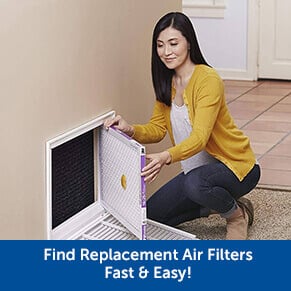
Change your home’s HVAC filter to protect it from outdoor pollution caused by droughts. Check your filters frequently and change them every 1-3 months. Take the proper precautions when changing your air filters during droughts, too. We recommend wearing gloves, a mask, and protective eyewear to prevent exposure to toxins trapped in the filter.
Air Purifiers
In addition to frequent HVAC filter changes, an air purifier will add an additional layer of protection and help improve your home’s air quality.
Air purifiers vary in cost and capabilities. Here are the things you’ll want to look for to ensure that the air purifier you choose will be able to help improve the air in your home, especially during a natural disaster.
First, you’ll want to make sure that the air purifier is a True HEPA filter. True HEPA filters reduce 99.97% of airborne particles as small as 0.3 microns.
The next thing you’ll want to consider is the size of the room the air purifier will be used in, in terms of square feet.
Lastly, any other priorities you have. If you want help with odor, purchasing an air purifier with a carbon filter will help reduce any odor.
How to Protect Your Home During a Wildfire
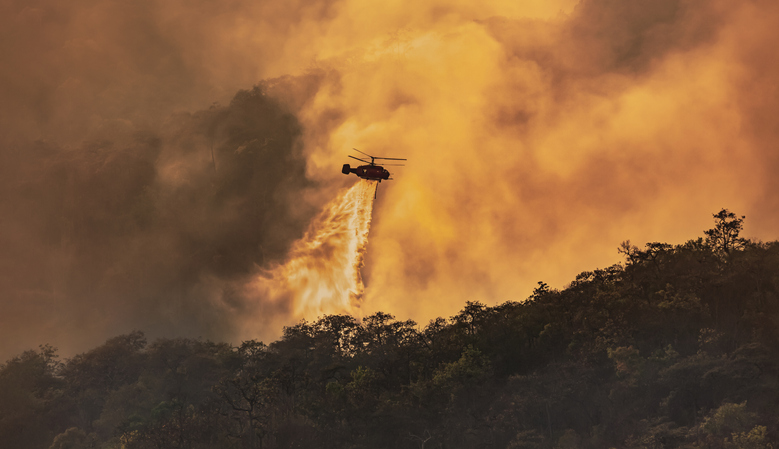
Air quality during a wildfire is a cause for concern, but did you know it can also affect water quality?
Water
How can wildfires affect water quality? Approximately 80% of freshwater resources in the US originate on forested land. More than 3,400 communities rely on public drinking water systems located in watersheds on forest lands. Wildfires can affect the quantity and quality of runoff used for source water.
Wildfires can affect source-water delivery systems, ranging from immediate effects during a fire to long-term watershed alterations. During wildfires, electrical power and access to water treatment plants, ambient water-quality monitoring equipment, and stream diversion and monitoring locations can be interruptions.
When water quality cannot be adequately determined, source-water suppliers must often shift to stored or secondary water supplies. These water sources are usually lower quality and can necessitate increased pre-treatment actions and processes, which can be costly.
Water runoff from areas burned by wildfires contains ash, which can affect the chemistry of lakes, wetlands, reservoirs, and rivers. This runoff can produce higher nitrate, organic carbon, sediment levels, warmer temperatures, and flashier stream flows.
The purpose of drinking water utilities is to provide safe drinking water for their communities. The unpredictable nature of wildfires can make it challenging to develop strategies for treating source water affected by wildfires.
Wildfires may not directly impact your home’s water but can affect your water supplier. To ensure your home has access to clean water during a wildfire, here are a few products you’ll want to have in your home:
Whole-House Filtration
The Aries Nitrate Reduction Water Filter Cartridge is ideal for industrial and residential applications requiring specialty absorbents with standard #10 large whole-house filter housings. This water filter comprises premium ion-exchange Resintech media with oversized cartridge cavities. This provides ultimate water filtration and purification to reduce water hardness, Tannins, Fluoride, Nitrate, Arsenic, Perchlorate, and heavy metals such as Lead, Aluminum, Mercury, and Copper.
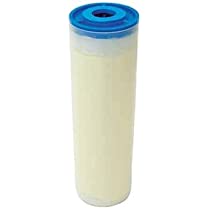
Aries Nitrate Reduction Water Filter
Omnifilter Undersink Reverse Osmosis Water Filter System
Ensure the water in your home is as pure as possible with the Omnifilter Undersink RO Water Filter System. This reverse osmosis system filters water through four stages, ridding tap water of common contaminants like pathogens, dissolved solids, organics, pesticides, VOCs, and nitrates (90-95%).
This system will also reduce rust, sediment, and the taste and odor of chlorine in your water. This RO system is tested and certified against NSF/ANSI Standard 58 for the reduction of Barium, Cadmium, Copper, Cyst, Hexavalent, Chromium, Lead, Radium 226/228, Selenium, Total Dissolved Solids, and Trivalent Chromium.
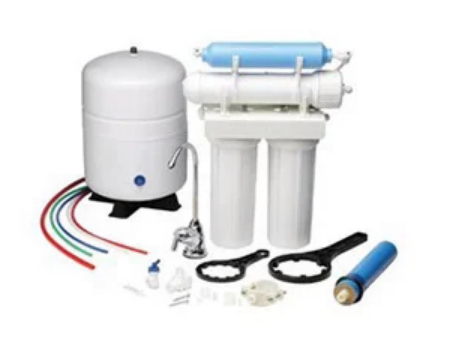
Omnifilter Undersink Reverse Osmosis Water Filter System
Air
As forest fires blaze, smoke can make outdoor air unhealthy. When a smoke event occurs, it is highly encouraged that people stay indoors as much as possible. Smoke from the outdoors can enter your home and make the air unhealthy. Heavy smoke and ash in the air can seriously threaten your health.
Here are a few ways that smoke from wildfires can enter your home:
- Through open windows or doors
- Mechanical ventilation devices such as a bathroom or kitchen fans vent to the outdoors and ventilation and air conditioning systems (HVAC) with fresh air intake.
- Through small openings, joints, cracks, and closed windows and doors. This process is called infiltration.
Wildfire smoke can impact indoor air quality, even if you’re not close to the fire. Inhaling smoke from wildfires can be extremely dangerous and can make you sick. It especially poses a more extreme threat to people with asthma, Chronic Obstructive Pulmonary Disease (COPD), or heart disease.
Children, pregnant women, and responders are also at a higher risk of health issues related to smoke inhalation.
Here are a few ways you can protect yourself and your family from Wildfire smoke:
Invest in a portable air cleaner or upgrade to a high-efficiency HVAC filter.
Best Air Purifiers for Wildfire Smoke
When using an air purifier for a wildfire smoke event, ensure it is the right size for the room you will put it in. Most air purifiers will have the square footage they can cover, which is listed in the product description. You’ll also want to ensure the air purifier does not make ozone.
The best air purifier for wildfire is one with a True HEPA filter. True HEPA filters reduce 99.97% of air particles as small as 0.3 microns. Wildfire smoke particles are 2.5 microns or smaller, so a True HEPA filter is the best for wildfire smoke.
Running your air purifier 24/7 during wildfire is an effective way to ensure that your air stays healthy.
Best HVAC Filters for Wildfire Smoke
The EPA recommends choosing a high-efficiency air filter with a MERV 13 rating for dealing with wildfire smoke in the air. If you’re unsure what MERV rating your HVAC system or furnace can accommodate, contact an HVAC technician for help.
More than anything, using a pleated air filter over a fiberglass filter is essential, especially during a wildfire event. Pleated air filters capture more particles and are the best for air quality.
Changing your filters frequently during a wildfire is also essential. If you usually change them every two months, start checking the filter every week and changing it when it is dark in color. Changing frequently will ensure that your filter can do its job—protecting you and your HVAC system.
Respirator Masks
Another recommended essential you should have on hand if you live in an area prone to forest fires is an N95 Respirator Mask. These masks can help protect your lungs from wildfire smoke and ash.
What to do After a Hurricane or Flooding
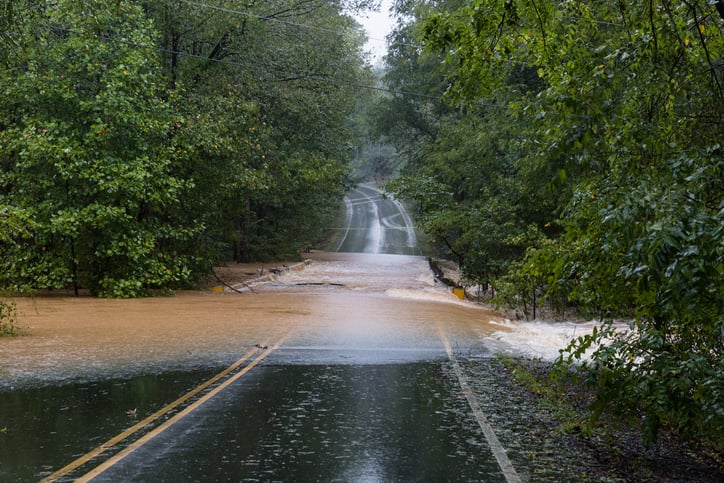
Hurricanes are not going away any time soon, and it seems like our hurricane seasons only intensify as each year passes. Hurricanes can cause flooding in areas directly hit by storms or inland communities in the storm’s path.
Water
When a hurricane hits a specific area, it can cause a water surge, drastically raising contamination levels. Water surges can also affect sewage systems. There is a high potential for an overgrowth of bacteria, and if you have a private well system, it can impact the quality of your water.
When Hurricane Katrina hit in 2005, the EPA conducted daily assessments of drinking water, wastewater, solid waste, and soil in New Orleans after the storm. They found high levels of petroleum hydrocarbons and E. coli bacteria in the sediment samples of residue from the receding floodwaters.
In summary, when an area is hit by a hurricane or intense flooding, this poses a potential threat to drinking water.
Here are four things that you should know about your drinking water after a storm or flood:
- Residents affected by a hurricane should use bottled water for drinking and cooking until they know their tap water is safe.
- Well-owners affected by storms are encouraged to test their water before using it and seek appropriate remedies as soon as possible.
- Pay attention to local boil water orders.
- Existing water treatment equipment should be inspected for possible contamination.
Water Test Kits
If you are concerned about tap water after a flood, test it.
Suppose you are concerned that your tap water could be contaminated with coliform bacteria after a flood. In that case, the ITS Complete Home Water Quality Test Kit will allow you to test your water for those contaminants and more.
ITS Complete Home Water Quality Test Kit
Best Portable Water Filtration
It’s always best to be prepared when disaster strikes, so having a filtration straw on hand will give you peace of mind that no matter what happens, you will have access to clean water.
The Filters Fast® Water Filtration Straw will remove 99.99999% of bacteria and protozoa.
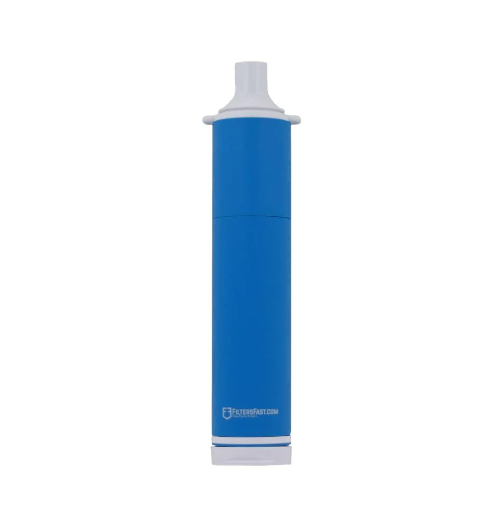
Filters Fast® Water Filtration Straw
Air
The primary threat that hurricanes and flooding pose to air quality is the promotion of mold growth. After a hurricane, homes, and buildings surrounded by high water levels will see mold and mildew grow quickly. It is recommended that sheetrock at least 12 inches above where the water reached should be removed and replaced.
The best thing you can do during your post-hurricane or flood clean-up is to test your air quality.
Test your home’s air for different types of mold and fungal propagules.
Dehumidifiers
Excessive water damage and moisture in your home are problems that will have to be dealt with over time. To draw out excessive moisture, invest in a dehumidifier.
For a short-term fix, a portable dehumidifier will meet any immediate needs for moisture reduction.
For a long-term fix, an Aprilaire Whole-Home Dehumidifier will ensure your home’s moisture stays healthy and comfortable.
Shop Whole Home Dehumidifiers Now
Natural disasters are unpredictable and will affect us all in different ways. It’s our priority to make sure you feel prepared. If you have any questions or need specific product recommendations, please reach out to us at 866-438-3458
or email us at [email protected]



Leave a Reply