



























What is PFAS?
PFAS, which stands for Per-and Polyfluoroalkyl Substances, is a group of man-made chemicals that have properties that allow them to be resistant to water, oil, grease, and heat. PFAS contaminants contain carbon, fluorine, and other elements. PFAS include PFOA, PFOS, GenX, and many other chemicals and are used in a variety of industries around the world.
PFOAs and PFOS are very persistent in our environment and even in our bodies- this means that they don’t break down and can accumulate over time.
Individuals can be exposed to PFAS in the following ways:
- Food: Food can be packaged in materials that contain PFAS, processed with equipment that used PFAS, and grown in soil or water that has been contaminated with them.
- Commercial household products: PFAS can be found in stain- and water-repellent fabrics, nonstick products (ex. Teflon pans), polishes, waxes, paints, cleaning products, fire-fighting foams, and more.
- Workplaces: Production facilities or industries that use PFAS (ex. Chrome plating, electronic manufacturing, and oil recovery).
- Drinking water: This is usually localized and associated with specific facilities (ex. Manufacturers, landfills, wastewater treatment plants, and firefighter training facilities). It is estimated that the drinking water supply for at least 16 million people is contaminated with them.
- Living organisms: Fish and animals can be exposed to PFAS which has the ability to build up and persist over time.

Why is PFAS important?
PFAS are found in lots of consumer products. Most people are exposed to them which can stay in the body and accumulate over time.
According to the Environmental Protection Agency (EPA), there is evidence that exposure to PFAS can lead to adverse health effects in humans.
The most studied PFAS are PFOA and PFOS. These studies have shown that PFOA and PFOS had reproductive and developmental, liver and kidney, and immunological effects in laboratory animals. These chemicals also caused tumors in the animals. The most consistent findings were increased cholesterol levels, with more limited findings related to:
- Low infant birth rates
- Effects on the immune system
- Cancer (for PFOA)
- Thyroid hormone disruption (for PFOS)

What’s the difference? PFOA vs. PFOS vs. GenX vs. other replacement PFAS
PFAS are found in consumer products like cookware, food packaging, and stain repellants. PFAS are commonly found in manufacturing and processing facilities, airports, and military installations that use firefighting foams. PFAS can also be released into the air, soil, and water, including drinking water.
PFOA and PFOS are being phased out by most industries but remain persistent in the environment.
GenX is the trade name for a technology that makes high-performance Fluoropolymers (ex. some non-stick coatings) without the use of PFOAs. GenX chemicals have been found in surface water, groundwater, finished drinking water, rainwater, and air emissions in some areas.
PFBS has been used as a replacement chemical for PFOS. PFBS has been identified in environmental media and consumer products, including surface water, wastewater, drinking water, dust, carpeting and carpet cleaners, and floor wax.
How to find out if PFAS are in your drinking water
Do you think your water has been contaminated with PFAS? The Water Quality Association (WQA) recommends that you contact your state for a list of laboratories that are certified to test PFAS using EPA Method 537.
You can also search online for EPA Certified Labs for drinking water testing.

PFAS Removal
If you’ve had your water tested for PFAS and found that they are present, you’re probably wondering how to remove PFAS from your drinking water and what water filter systems will remove PFAS. We’ve got you covered.
The water treatment technologies listed below have been independently tested to show that they are effective at removing PFAS from drinking water in your home:
Home Water Filters PFAS:
- Activated Carbon Filters
- Reverse Osmosis Filters (RO)
- Anion Exchange Resins Treatment
Best home water filters for PFAS removal:
ProOne Inline Connect Water Filtration System
The ProOne Inline Connect Water Filter System features ProMax Full Spectrum Hybrid Filter Technology for powerful filtration. This water filter system reduces over 220 contaminants including VOCs, lead, Fluoride, PFOA, PFOS, heavy metals, pesticides, SVCs, disinfectants, inorganic non-metallics, herbicides, pharmaceuticals, and micro-organisms. This system is installed under counter and in line with your cold-water supply.
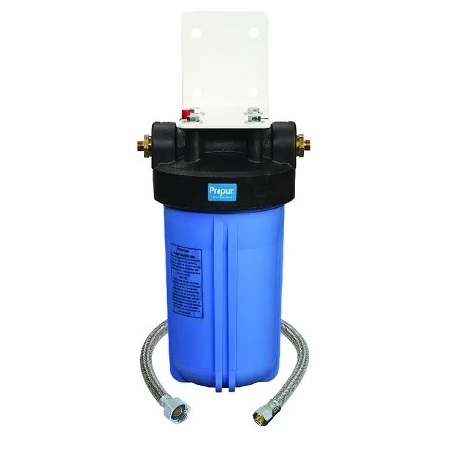
ProOne Inline Connect Water Filter System
ProOne Dual-Stage Countertop System
The ProOne Dual-Stage Countertop System includes a 5-micron pleated, pre-sediment filter that protects your ProOne filtration system from sediment which is common in aging water supply pipes. This dual-stage system reduces and/or removes a broad range of contaminants including VOCs, lead, fluoride, PFOA, PFOS, heavy metals, pesticides, SVCs, disinfectants, inorganic non-metallics, herbicides, pharmaceuticals, and microplastics. It has also tested to NSF/ANSI- 42 & 53 standards and is ideal for most city water and well water.
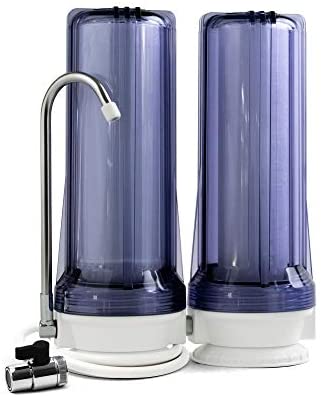
ProOne Dual-Stage Countertop System
ProOne Dual-Stage Undercounter System
The ProOne Dual-Stage Undercounter System comes with a 5-micron pleated, pre-sediment filter that will protect your filtration system from sediment that is commonly found in aging water supply pipes. This dual-stage system reduces and/or removes a broad range of contaminants including VOCs, lead, fluoride, PFOA, PFOS, heavy metals, pesticides, SVCs, disinfectants, inorganic non-metallics, herbicides, pharmaceuticals, and microplastics. It has also tested to NSF/ANSI- 42 & 53 standards and is ideal for most city water and well water.

ProOne Dual-Stage Undercounter System with Faucet
ProOne Dual-Stage Undercounter System without Faucet
What other water filter systems remove PFAS?
The WQA recommends looking for carbon filtration or reverse osmosis products that are NSF/ANSI 53 (for filters) or NSF/ANSI 58 (for RO Systems) for PFOA and PFOS removal. These certifications indicate that these products have been tested to industry standards to verify they remove PFOA and PFOS down to 70 parts per trillion (ppt).

Reverse Osmosis Water Filter Systems
Reverse Osmosis Systems can remove up to 99% of impurities from tap water and could be the solution you’re looking for. If you’re interested in learning more about RO Systems check out our blog.
Carbon Filters for Whole House Water Filter Systems
If you have a Whole Home Water Filter System or are interested in installing one in your home, we carry a wide selection of granular activated carbon water filters.
Does ZeroWater Filter Remove PFAS?
ZeroWater’s 5-stage filtration system is certified to reduce lead, PFOA, PFOS, and other contaminants.
Pitcher Water Filters That Remove PFAS
How to avoid PFAS
If your water source is contaminated with PFAS, take action now by investing in a home water treatment system that is certified to reduce PFOA and PFOS in water.
According to the Food and Drug Administration (FDA), there is no scientific evidence to support avoiding certain foods because of concerns of exposure to PFAS. However, they do recommend that consumers eat a varied, well-balanced diet.
Related Articles:
If you have any questions regarding PFAS and water filtration, please leave us a comment. We’re happy to help!



Katie says
Shannon,
Thank you for reaching out to us. We have put in a request to have your phone number removed from our marketing text list. Please let us know if you need anything else!
Shannon H says
Unsubscribe from txt alerts @ phone number 903-987-2212