





























Fluoride is a naturally occurring mineral found in rocks and soil.
Why is fluoride in water?
In the early 1900s, scientists linked fluoride to preventing tooth decay. It was discovered that public water systems with it naturally occurring had lower rates of cavities.
In 1945, Grand Rapids, Michigan, was the first community in the United States to add it to its water supply. Lower rates of schoolchildren with cavities followed.
As the news of improved dental health spread, cities and towns across North America, including Canada, followed suit. In 2008, an estimated 72% of U.S. Residents served by public water systems had access to fluoridated drinking water. By 2009, 45% of Canadians enjoyed the same benefit.
The CDC named adding fluoride to public water supplies one of the ten most outstanding public health achievements of the 20th century
However, in 2015, it was found that while community water fluoridation was effective for reducing tooth decay among children, “no studies aimed to determine the effectiveness of water fluoridation for preventing caries [cavities] in adults met the review’s inclusion criteria.”

Is fluoride bad for you?
High levels can be dangerous. Excessive amounts can cause dental fluorosis, which causes tooth enamel to have white spots, staining, and pitting. Learn more about it in our blog, Too Much Fluoride in Water Can Harm Your Teeth.
However, dental health isn’t the only concern regarding fluoride in water. Several reasons exist for why someone might consider removing fluoride from their drinking water:
- Cost: Adding fluoride to water costs $0.60 to $1 per person per year.
- Lack of Control: Individuals with a municipal water source cannot control fluoride amounts.
- Health Risks: Beyond dental fluorosis, there are other potential health issues:
These considerations present a compelling case for those questioning the necessity and safety of fluoride in their drinking water.
What levels of fluoride are safe?
According to the Centers for Disease Control and Prevention (CDC), fluoridated water is safe when naturally present or added correctly.
Health authorities recommend specific fluoride levels in drinking water to maintain oral health.
The CDC recommends 0.7 milligrams per liter (mg/L) for optimal dental health benefits. The U.S. Environmental Protection Agency (EPA) recommends a max of 2.0 mg/L to prevent potential health risks. Meanwhile, the Guidelines for Canadian Drinking Water Quality are set at a maximum concentration of 1.5 mg/L in Canada.
These recommendations are in place to prevent tooth decay while also minimizing the risk of overexposure.
What are the risks of too much fluoride?
A primary risk of too much fluoride intake is developing skeletal fluorosis, a bone disease caused by consuming high levels over a long period of time.
As it accumulates in the bones, it becomes denser and more brittle. This can lead to reduced flexibility, joint stiffness, and a higher chance of bone fractures.
How Does Fluoride in Drinking Water Compare to Using Fluoride Toothpaste or Mouthwash?
Fluoride’s effectiveness is often debated. Here’s what we know:
Drinking Water Fluoridation
Drinking fluoridated water continuously delivers the benefit each time a person hydrates. Constant exposure can help reinforce the tooth enamel and prevent tooth decay.
Fluoride Toothpaste and Mouthwash
Toothpaste and mouthwash with fluoride are beneficial because they are applied topically. These products come in direct contact with the teeth’s surface, which can help rebuild weak tooth enamel and even reverse early tooth decay. However, these products must be used consistently to get the benefit.
Consistent exposure is key to getting the benefits.
Is my water fluoridated?
You can research water quality by state, county, and water system using the CDC’s My Water’s Fluoride tool. You can also contact your local water supplier to inquire about water quality.
Can Boiling Water Remove Fluoride?
No, boiling water is not an effective method for reducing fluoride in water. Boiling water will increase its concentration.
Boiling water produces steam, which reduces water volume. This can lead to higher concentrations. Fluoride compounds are stable and remain in water even at boiling temperatures.
Does reverse osmosis remove fluoride?
Reverse osmosis is one of the most advanced water filtration systems available today. The semipermeable membrane can reduce fluoride by 85-92%. Typically installed under a kitchen sink, RO systems are a convenient and premium point-of-use solution for improving water quality.
While an RO system effectively reduces fluoride, it also addresses various contaminants, including lead and mercury, and various particles and impurities in tap water.
Applied Membranes Reverse Osmosis Membrane
If you’re looking for an RO membrane for your existing Applied Membranes, Inc AAA-125, AAA-125P, AAA-126UV RainSoft TFC-RS12-10 or EcoWater ERO-300 system that will reduce fluoride, this replacement filter is the perfect fit.
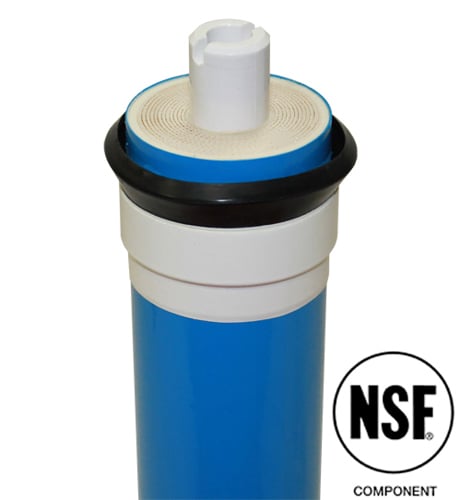
Applied Membranes M-T1512A12 Reverse Osmosis Membrane
How do you remove fluoride from drinking water?
Filters Fast offers a few different filter options. Please note that the filters we have listed require a compatible water filtration device or system for proper use.

Filters that Reduce Fluoride
Invigorated Water Alkaline Water Filter Cartridges
This multi-stage filter removes chlorine, fluoride, heavy metals, and other small particles from the water it filters. It also raises the water’s pH and adds beneficial minerals, improving taste and smell.

PH001 Alkaline Water Filter Cartridge Single Filter
PH001 Alkaline Water Filter Cartridge 3-Pack
Doulton Fluoride Water Filter Candle
This water filter candle effectively reduces fluoride using activated alumina. It is for use in Doulton DUO & TRIO Water Filter Systems or 10″ and 20″ standard housings.
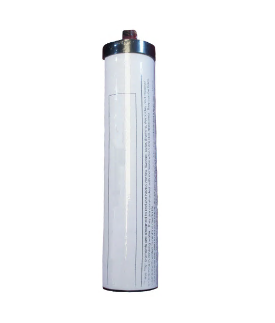
Doulton Fluoride CN-A2 Water Filter Candle
Aries Bone Char Fluoride Reduction Filters
Each Aries Fluoride Reduction Filter is FDA-approved and uses 100% bone char to reduce fluoride, radioactive isotopes, heavy metals, and chlorine in water.

AquaCera Replacement Water Filters
The AquaCera line is NSF 42 and 53-certified and can be used interchangeably with Doulton Water Filters. It will reduce fluoride and many other contaminants by 98%.
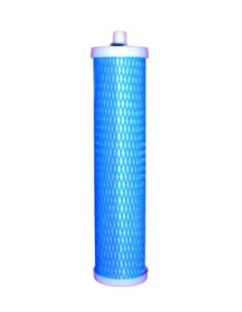
FC-AMB9S Replacement for Doulton W9125030 and Doulton W9410207
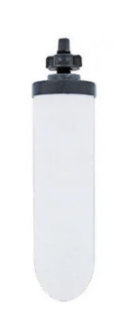
CeraMetix-GF 7” Imperial Ceramic Filter for AquaCera LP-5 and SS-4 Gravity Filters and Doulton LP-2 and SS-2 Gravity Filters
Sentry Wellness Carbon Block Replacement Filters
Get reverse osmosis level filtration without waste! The manufacturer designed this filter pack with the Sentry Wellness System 2-Stage Under Sink System, featuring a magnesium-coated activated catalytic carbon block filter with CT resin. This filter softens water without salt and neutralizes soft and hard scales, phosphates, chloride, fluoride, and more while also improving the taste of your water. The Trappsorb media traps and eliminates contaminants, including ammonia and phosphorous.
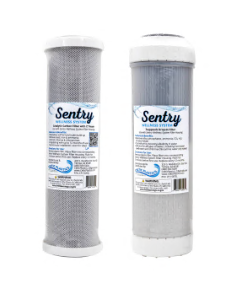
Sentry Wellness Carbon Block Replacement Filters
If you’re concerned about the fluoride level in your home’s water, you should take the proper precautions to ensure its safety.
Making the best decision for you and your family is paramount, and we’re here to help you along the way – equipping you with the knowledge and tools you need to live a happier, healthier life.



Leave a Reply