























Our bodies need water to survive. When we stay hydrated, we not only quench our thirst but also maintain a healthy body.
Staying hydrated allows our body to flush toxins, regulate temperature, maintain balance, support our brain and hormone function, and help metabolic processes.
Hydration also aids in transporting essential vitamins and minerals, which supports the integrity of our muscles, joints, and bodies.

Most people spend more time outside, especially during the summer heat, which causes our bodies to lose fluid quickly. The more active we are outside, the more fluid we’ll need. That’s why staying hydrated during the hot summer is so important.
Adult bodies can be up to 60 percent water, so proper hydration is key to staying healthy.
What factors affect how much water you need?
Hydration is a basic need for everyone, but some factors can influence how much water you need. Here are a few common things to consider:
- Activity level: Movement makes you sweat, so you must consume more fluids to replenish your lost fluids. Whether chasing kids in the backyard, hiking, or running, you must increase your water intake.
- Climate: When it’s hot and humid, you’ll need to drink more water, whether or not you feel hot or are sweating. Same goes for cooler weather. Although you may not be sweating or thirsty, you must ensure you drink enough water.
- Age: The older you get, the less water your body will retain. Drinking when you are thirsty is not as reliable as you might think. If you’re over 65, you should be mindful that you drink enough water throughout the day.
- Illness: Drinking lots of fluids is critical, especially when you’re not feeling well. It’s even more essential if you are experiencing a fever, vomiting, or diarrhea. Conditions like heart failure may require less fluid, so it’s important to talk to your doctor about water intake for specific health conditions. Drinking water will help flush toxins from your system and may even help you feel better quicker.
- Pregnancy or breastfeeding: If you are expecting or nursing, your hydration needs are greater as you also need to support your growing baby.
Being mindful of these factors and how they will affect your hydration needs will help you enjoy the summer more comfortably.
How to stay hydrated
Staying hydrated can seem tricky for those who do not enjoy the taste of water, so here are some great tips for staying hydrated:
1. Add flavor. If you need flavor in your water, cut up fruits or veggies to infuse it.
2. Take out the TDS. TDS stands for Total Dissolved Solids which can be minerals, salts, and organic matter. Our Filters Fast® Brand compatible ZeroWater filter eliminates TDS in water and will make your water taste amazing.
Shop ZeroWater Compatible Filters
3. Make access easy. Having access to filtered, great-tasting water makes staying hydrated easy! Make sure each entry point in your home allows for access to filtered water on demand.
Refrigerator Filters
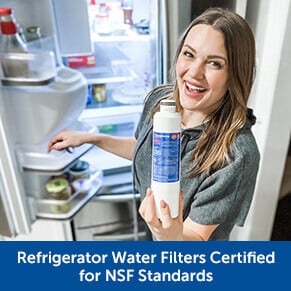
Changing your fridge water filter every six months is an easy and convenient way to have clean, great-tasting water.
Faucet Filter
Do you have a PUR faucet filtration system? We’ve added PUR Replacement Compatible Filters to our FiltersFast® Brand Filters. This affordable PUR-compatible faucet filter is NSF 42 certified to reduce chlorine taste and odor. With this filter pack, you can keep a fresh flow of filtered water coming from your sink.
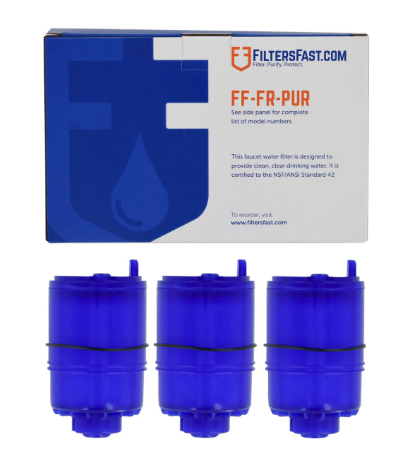
Filters Fast® Compatible Replacement Filters
Under-Counter Filtration System
Ensure the water you’re consuming is good for you with the Pentair FreshPoint Easy Flow System. This compact under-counter filtration system reduces 99% of lead and other common contaminants. Its convenient filter release button makes filter changes quick and easy. Say “hello” to your new purified water companion today!
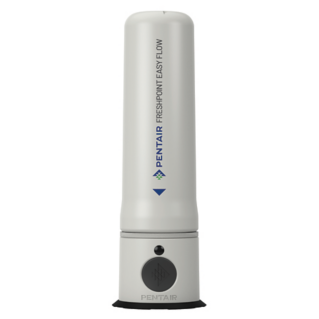
Pentair FreshPoint Easy Flow System
4. Keep it with you. There are no more excuses for not staying hydrated when you have your water bottle!
VitaJuwel Gemwater Bottle
You haven’t experienced water until you’ve enjoyed every sip from a VitaJuwel Gemwater Bottle. These beautifully designed water bottles are made with BPA-free glass and feature gem pods that transform the taste of your water. Enjoy next-level hydration everywhere you go with Vitajuwel.

VitaJuwel Gemwater Bottles
Shop Now
How much water should you drink when exercising?
Working out is one of the quickest ways to release the fluid your body has stored up. It’s entirely up to you to ensure you’re consuming enough fluids throughout your workout, but here are a few tips to help you figure out the amount you need to drink to ensure you perform at your best:
- Before: Try to drink 17-20 ounces of water (just over 2 cups) two to three hours ahead of your planned movement. Then, 20-30 minutes before you start, drink another 8 ounces of water. This should help you feel ready to move.
- During: Throughout your exercise, try to sip 7-10 ounces.
- After: Aim to consume 16-24 ounces of water for every pound you lost during exercise. To do this, weigh before and after, and calculate based on that.
Drinking enough water helps you feel energized, so it’s crucial to prioritize your water intake, especially post-workout.
How much water should I drink a day?
It is recommended that the average person drink at least 2 liters or 64 ounces of fluids a day. However, everyone is different. Ideally, you should drink half your body weight in ounces each day.
Why water quality matters
Believe it or not, the quality of the water you drink matters. If you drink water containing contaminants, you are at a higher risk of getting sick. That’s why it’s so important to have access to clean, filtered water and to drink it regularly.
Changing your water filters regularly is the easiest and best way to ensure you stay hydrated and healthy.
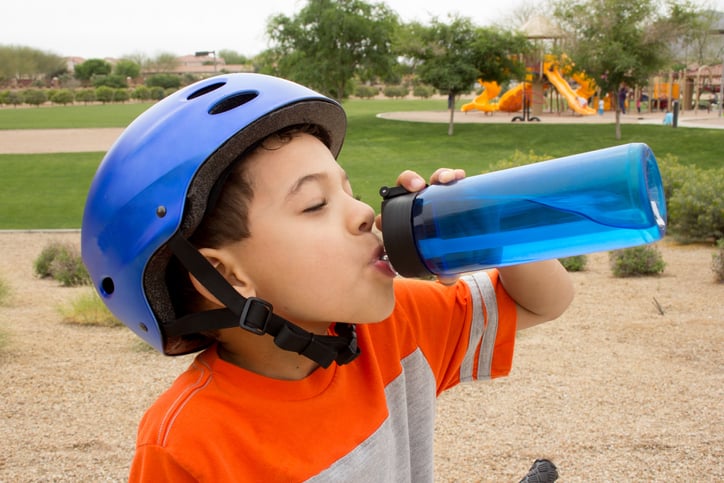
How to encourage children to drink more water
Getting your child to drink more water can be challenging, but here are a few clever tricks to help them up their hydration.
- Opt for a fun water bottle: Choosing a colorful, child-sized water bottle can make drinking water more fun! Make sure it’s easy to open, close, and carry. Show them how to refill it so they feel involved.
- Flavor it up: If you can’t get your child excited about drinking plain water, add some frozen fruit or fruity ice cubes to make it a bit more flavorful.
- Make it fun: Drinking water can be rewarding in so many ways. Inspire your child to drink more water by celebrating along the way. Create a hydration chart with fun stickers or have them pick what fruits they want in their water together.
- Be an example: Your child watches you, so make sure that you prioritize your water intake, and they may just follow suit.
What about Electrolytes?
What are electrolytes? Electrolytes are essential minerals like sodium, potassium, calcium, magnesium, phosphate, and chloride. Electrolytes help balance fluids, support nerve signals, and help your muscles and heart do their job.
A lack of these minerals in our system can cause muscle cramps, fatigue, or even more serious health issues. When we sweat, we lose these essential minerals.
Natural ways to get electrolytes include drinking coconut water, eating a banana, or adding a pinch of salt to your water.
Commercial electrolyte drinks are also available. Although they are unnecessary for staying hydrated, they can help replenish your electrolyte levels, especially if you have been sick or after an intense workout. Be cautious when selecting an electrolyte supplement, as many contain added sugars and artificial ingredients.
Staying hydrated with filtered water and maintaining a healthy diet can help you keep your electrolyte levels at an optimum level.
Symptoms of dehydration
Dehydration is dangerous. While we always want to ensure we’re drinking enough water, it’s very easy to dehydrate without realizing it.
Common signs of dehydration are a sticky or dry mouth, headache, dizziness or lightheadedness, and constipation. More severe symptoms of dehydration include extreme thirst, low blood pressure, rapid heartbeat, little to no urination, and delirium.
If you believe that you may be dehydrated, seek medical attention immediately. Paying attention to these signs is essential to maintaining a healthy lifestyle. The earlier you resolve dehydration, the healthier you will be and the better you will feel.

Can you drink too much water?
Yes, drinking too much water can lead to water intoxication. Water intoxication, also referred to as water poisoning, causes an interruption in brain function. Drinking too much water increases the amount in your blood and causes sodium levels to drop. Sodium in our blood helps us balance the fluids inside and outside of cells.
When sodium levels are too low, the cells can swell. Symptoms include headaches, nausea, and vomiting. More severe symptoms include confusion, muscle weakness, double vision, and difficulty breathing. Those who suspect they may have water poisoning should seek medical care immediately.
Stay Hydrated, Friends
Staying hydrated is essential to maintaining a healthy lifestyle and feeling good. As important as how much you drink, water quality is vital too. If you want the right water filtration solution to fit your unique needs, contact our Customer Care Team at 866-438-3458 or [email protected].



Katie says
Hi Deb,
Great question! The final capacity of our refrigerator filters depends on initial water quality, but we estimate it is around 200 gallons. Please let us know if you have any other questions!
Deb Wibe says
How many gallons of purified water is a filters fast refrigerator water filter good for?