















Most Americans are currently taking a prescription drug, 70 percent in fact, according to a Mayo Clinc report. This is problematic because a NSF International survey found only 28% of people correctly return unused prescriptions drugs to pharmacists or clinics. What we don’t use will either be left in the medicine cabinet to be discovered years later, expired and potentially unsafe to consume, or tossed in the garbage or flushed down the toilet where they have been found to interact with drinking water supplies. This is made worse when you understand that our bodies don’t fully absorb everything we consume and some portion of that is always passed as waste, drugs included.
We need medications to fend off illness and live better lives. Taking fewer beneficial drugs or stopping altogether is almost always out of the question. However, these drugs aren’t the only issue with out drinking water. Rather they are just one piece of what we have labeled as Emerging Contaminants. This collection of 15 compounds/ incidental contaminants were identified in a study as being found in drinking water and could affect human health. These include prescription drugs, over-the-counter medications, herbicides and pesticides, along with chemical compounds such as those used in commercial detergents and various type of polymers.
The Effect on Human Health
Studies are ongoing into the impact of these emerging contaminants on human health. In water supplies, these contaminants are seen as parts per trillion, meaning the chemical has been diluted to the point that there are no immediate observable effects in humans. Early research into how these emerging contaminants affect biology has been seen in fish, such as hormones causing male fish to lay eggs or Prozac resulting in overly aggressive behavior. Unfortunately, it might be decades before we fully understand the impact of chronic exposure on human health, especially those at risk such as infants and pregnant women.
Managing Emerging Contaminants in Drinking Water
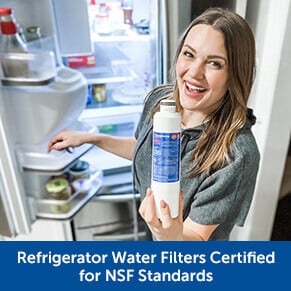
If you have bought a water filter you are probably familiar with either NSF Standard 42 that covers aesthetics such as chlorine and sediment, or NSF Standard 53 that addresses contaminants that can affect human health like lead or mercury.
 One certification you might not yet be familiar with is standard 401. This new standard sets requirements for water treatment and filtration devices that reduce up to 15 of those individual emerging contaminants.
As of this writing there are 149 products from 22 manufacturers that comply with these newly introduced standards. Due to increased awareness and consumer demand more filtration products are expected to meet these newer standards in the future.
Growing Consumer Demand
In total, the NSF found 82 percent of consumers report they are concerned about trace levels of emerging contaminants in drinking water. This coincides with an Associated Press investigation that found one or more of these contaminants in the water supplies used by at least 41 million Americans.
Whether we contribute to the problem of drugs in our water supply intentionally or not, we recognize the problem and are beginning to consider how to address the situation in the form of water filtration product that we can use inside our homes. Until Standard 401 becomes more common in the marketplace we can still improve our water with water filtration products already on the market.
To view a complete list of emerging contaminants and additional information visit the NSF.org.
To view a complete and up-to-date list of filtration products that are certified for NSF Standard 401 click here.
The NSF organization is an accredited, independent third-party certification body that tests and certifies products to verify they meet these public health and safety standards. When a company submits a product and all testing and verification procedures are complete a water treatment devices may bear the NSF mark on product packaging and marketing materials.


Leave a Reply