

























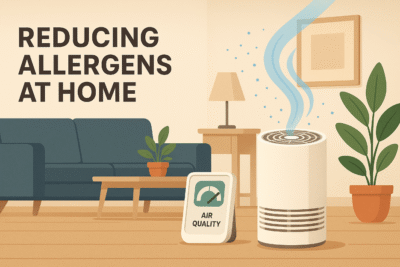
Indoor air quality has quietly become one of the most important factors influencing comfort, sleep, and long-term health. While most people focus on outdoor air pollution, the EPA reports that indoor air can contain 2 to 5 times more contaminants than outdoor air. Homes trap pollen, dust, mold spores, pet dander, and particulate matter that accumulate in corners, carpets, vents, and soft furnishings. If you have ever wondered why allergies flare up more indoors than outside, there is a scientific explanation, and thankfully, several modern solutions.
This extended guide explores how allergens form and circulate, which filters and tools actually help, how smart technology plays a role, and the practical steps you can take to create a cleaner and healthier indoor environment. Whether you are dealing with seasonal allergies, persistent dust, or respiratory sensitivity, understanding the mechanics of indoor air makes it easier to take control of your home’s breathing space.
Why Allergens Build Up Inside Homes
Allergens accumulate inside because air constantly moves through the home, but not always cleanly or in a straight line. Every time you walk across the room, fold laundry, open a window, or cook a meal, tiny particles lift into the air. Dust mites thrive in bedding and upholstery. Mold spores hide in bathrooms and basements. Pet dander drifts from room to room. Even when your home looks clean, microscopic particles settle on surfaces and get stirred back into the air throughout the day. This includes items with large surfaces and mechanical joints, such as home exercise machines, that naturally accumulate dust and residue. When older equipment starts trapping more allergens than you can reasonably clean, checking refurbished used gym equipment can be a practical way to limit buildup.
Ventilation plays a major role. Most homes are designed to retain heat or cool air, which reduces natural airflow. Closed windows, recirculated HVAC air, and poorly sealed ducts all contribute to a trapped ecosystem of airborne particles. Seasonal changes only make the problem more complex. Spring pollen, winter dryness, and summer humidity each create different conditions that help allergens spread or grow.
Understanding these sources helps you target the real problem rather than mask symptoms. Effective allergen control is less about air fresheners and more about filtration, proper ventilation, humidity control, and consistent maintenance.
How Filters Reduce Airborne Allergens
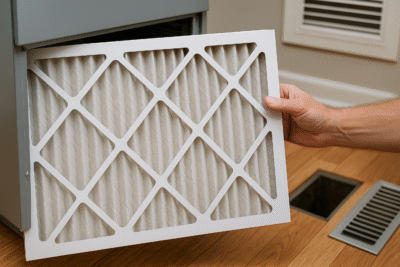
Air filters reduce allergens by trapping airborne particles before they can circulate back into the room. Most people know that filters catch dust, but the actual mechanics are more sophisticated. Fibers inside the filter create a maze-like structure that forces air to weave through. As air travels, particles collide with fibers and become trapped, leaving cleaner air to pass through. High-quality filters can capture pollutants as small as 0.3 microns, tiny enough to remove pollen, dander, smoke, mold spores, and particulate matter.
HVAC systems rely on filters to maintain airflow efficiency, but the type of filter matters. HEPA filters deliver the strongest particulate control but require systems designed to handle their resistance. Activated carbon filters absorb odors and chemical vapors, complementing particle filtration. Pleated filters offer a good balance of coverage, and electrostatic models attract particles using static charge.
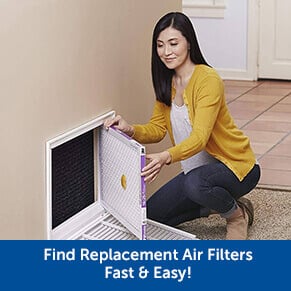
Regular replacement is essential. A clogged filter cannot trap new particles effectively, and once airflow is restricted, the HVAC system circulates contaminants instead of removing them. A clean filter is not just a home improvement; it is a health improvement.
Additional Tools That Improve Indoor Air Quality
Filters are the backbone of allergen control, but the most effective approach uses additional tools to stabilize humidity, clean specific areas, and provide homeowners with real-time insight into air quality. Air purifiers supplement HVAC filters by capturing airborne particles at the room level. They are especially effective in bedrooms, living rooms, and home offices where people spend extended periods of time.
Humidity control also plays a major role. Dust mites thrive in high humidity, and mold grows quickly in moist corners. A dehumidifier keeps humidity in check during warm seasons, while a humidifier prevents dust from becoming airborne during dry winter months. Keeping indoor humidity between 40 and 50 percent offers the most balanced environment.
Air quality monitors add another layer of insight. These devices track particulate matter, volatile organic compounds, humidity, and sometimes carbon dioxide. With accurate readings, homeowners can identify spikes in pollution caused by cooking, pets, cleaning products, or outdoor pollen drifting indoors.
For environments where allergens cling to delicate surfaces, vents, or hard-to-clean equipment, advanced cleaning technologies become useful. Tools like laser cleaning machines remove build-up from surfaces with exceptional precision. While these solutions are more common in technical settings or industrial environments, understanding how they remove stubborn residues underscores the importance of deep cleaning for maintaining a low-allergen environment.
Smart Home Technology and Its Role in Allergen Control
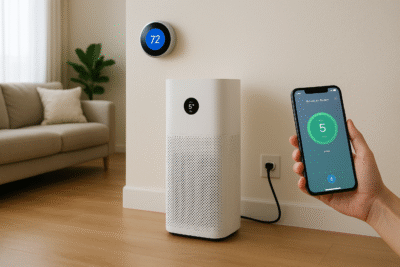
Modern smart home solutions make allergen control more consistent by automating once manual tasks. Sensors and connected devices monitor indoor conditions and adjust filtration, airflow, or humidity instantly. Smart air purifiers adjust fan speeds based on real-time particle counts, ensuring the system works hardest when allergens rise.
Smart thermostats also help improve air quality by managing HVAC cycles more efficiently. By running the fan at strategic intervals, they pull more air through the filter without overworking the system. Some thermostats even measure humidity and automatically initiate adjustments.
Internet of Things (IoT) sensors extend this functionality by tracking dust, chemicals, and temperature shifts across your home. These readings allow automated systems to respond faster than a human could, especially during seasonal changes or sudden pollen spikes.
Environmental upgrades also indirectly support cleaner air. LED lighting systems produce less heat and maintain more stable conditions inside enclosed or heavily used spaces. If you are exploring broader wellness or energy-efficiency improvements, services such as Commercial LED lighting help create cleaner, cooler, and more consistent indoor environments that support healthier airflow. Stable temperatures and reduced humidity fluctuations contribute to a cleaner overall home ecosystem.
Practical Steps That Immediately Reduce Allergens
Even with advanced filtration and smart tools, daily habits matter. Here are practical steps that offer immediate improvements.
- Replace HVAC and air purifier filters regularly
- Increase ventilation when outdoor air quality is good
- Vacuum carpets and upholstery with HEPA-equipped vacuums
- Wash bedding frequently to reduce dust mite buildup
- Maintain humidity between 40 and 50 percent
- Add purification in high-traffic rooms
- Clean pet areas often
- Reduce clutter where dust settles
- Use exhaust fans while cooking
- Clean vents and fans to prevent recirculation
These actions create a cleaner baseline that your filters and tools can maintain more effectively.
Does Improving Indoor Air Quality Require a Large Budget?
Cleaner air does not require an expensive system or a major home upgrade. Most improvements come from small changes, such as regular filter replacements, adding an affordable air purifier, or using humidity control devices. High-end solutions can help, but they are not essential for creating noticeable results.
Typical factors that influence cost include:
- Air filter type and replacement frequency
- Air purifier size and brand
- Energy use of smart or automated systems
- Number of sensors installed
- Cost of humidity control devices
- Optional professional services
Most homes achieve significant improvements with modest investments and consistent routines.
The Bigger Picture: Creating a Healthy Living Environment
Reducing allergens at home is not about perfection. It is about controlling the variables that influence how particles circulate, settle, and multiply. A combination of high-quality filters, balanced humidity, adequate ventilation, and smart monitoring creates an environment that supports easier breathing and better comfort.
When you adopt a layered approach, filters plus purifiers plus proper cleaning, you disrupt the cycle of recirculated contaminants. Add smart automation or lighting upgrades when possible, and your home becomes even more stable throughout the year.
Indoor air quality is often invisible, but its impact is unmistakable. Cleaner air reduces fatigue, improves sleep, supports better respiratory function, and creates a space that feels fresher and more welcoming. Whether you start with one room or take a whole home approach, every improvement moves you closer to a healthier living environment.


Leave a Reply