



























Are you having trouble keeping your indoor and even outdoor plants alive? What if your lack of a green thumb came down to something as simple as the quality of water you are using? We uncover a secret that can take your plants from simply surviving to thriving!
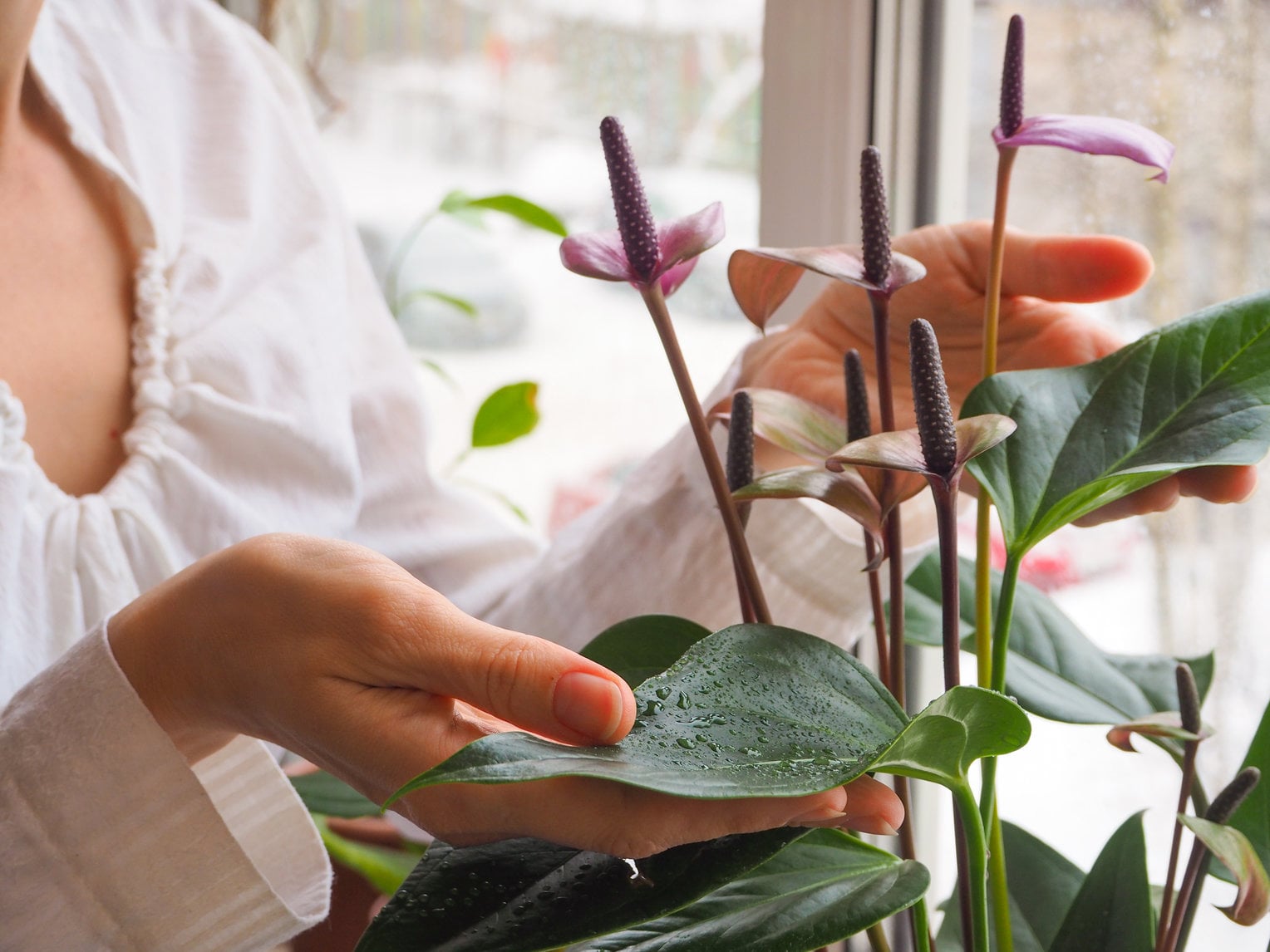
Benefits of having indoor plants
Indoor plants offer several benefits, including better air quality, reduced stress, increased productivity, improved creativity and focus, increased humidity, and more. However, it can be frustrating when you can’t seem to keep a plant alive.
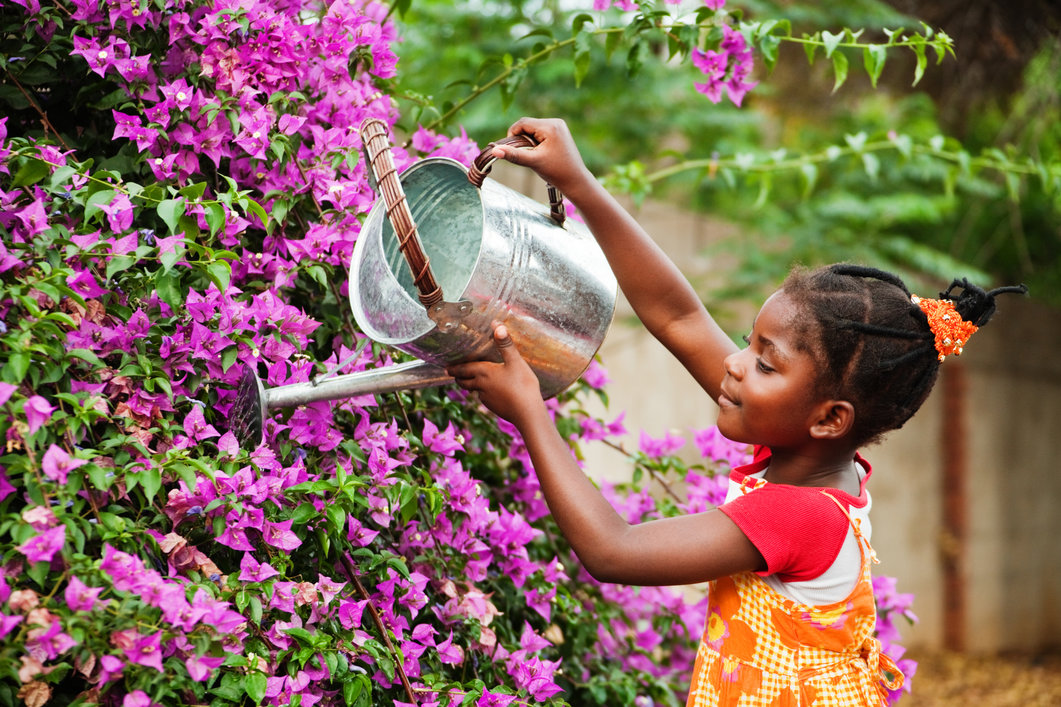
Benefits of having outdoor plants
Outdoor plants improve curb appeal and benefit our climate by trapping carbon and emitting oxygen. They can also produce fruits, vegetables, and herbs that you can enjoy. Unfortunately, a flourishing outdoor garden might be only a dream if you can’t seem to keep your plants alive for more than a few weeks.
Indoor Plant Care
When selecting house plants, the first thing to consider is the light conditions and whether they will get enough sunlight. Some plants need tons of sun to grow, while others can thrive in bright, indirect light situations.
The second thing to consider is the care schedule that the plant requires. One of the most important things you must do is ensure you care for and water each plant properly. While some plants can survive on one watering a week or two, others may need more frequent tending.
If you’re looking for easy-to-grow, low-maintenance live plants for your home, a snake plant and a ZZ plant are great options.
Outdoor Plant Care
While it’s safe to assume that Mother Nature will take care of watering your outdoor plants, it’s a good idea to keep tabs on the weather and make sure that your plants, especially the newly planted ones, get adequate water for at least the first year.
How often to water indoor plants?
Your indoor plant watering schedule will differ from plant to plant, but it’s a good idea to water and check in on your plants weekly, at least. Some plants will need more water than others, and some will need more time between waterings. A weekly scheduled watering is a great start for the novice plant owner. Pay attention to how your plant’s leaves look and the condition of the soil.
How long can indoor plants go without water?
Each indoor plant needs different watering schedules. Some can go a week or more without water, while others can only go a few days. It’s a good idea to check on your plants daily and accommodate their watering schedule based on what seems to work best for them.

Is tap water safe for indoor plants?
Tap water is not necessarily bad for plants, but it’s important to know exactly what is in your water before you give it to your plants. If you get your water from a city plant, there’s a high likelihood that your water contains chlorine. Chlorine is added to water to help disinfect it. Chlorine levels will differ based on location, but especially if your water smells or tastes of chlorine, you’ll want to think twice before using it to water your plants. The same goes for outdoor plants. If there’s chlorine in your tap water, it will also be in the water you get out of your hose.
If you’re watering your plants with tap water, there are a few signs you’ll want to look for to see if the chlorine is harmful to your plants.
- Brown spots or leaf scorching is a sign that chlorine is in the water you’re using.
- Slow plant growth. If you’ve noticed that your plant isn’t growing, chlorine could be the culprit.
Chlorine can also damage a plant’s roots and kill microorganisms that are beneficial to plants.
How to dechlorinate tap water for plants
Water filtration is an easy way to reduce the amount of chlorine in your water.
The Filters Fast® Inline Hose Filter conveniently attaches to the end of a garden hose and will reduce the present chlorine. This garden hose dechlorinating filter is a must-have for your garden.
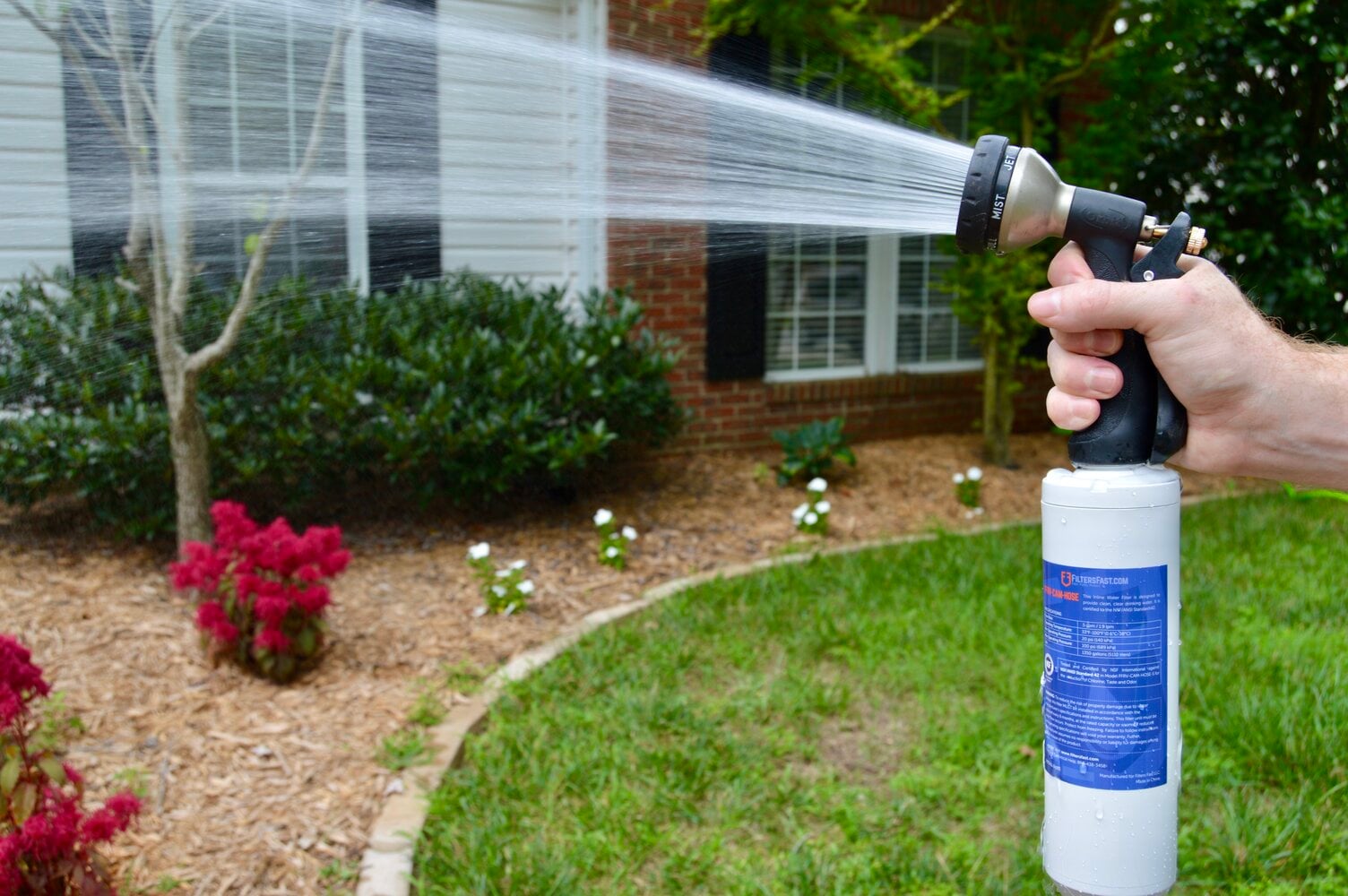
Filters Fast® Inline Water Filter with Flexible Connector Hose
If you’re looking for an easy and cost-effective way to give your plants filtered water, a filtered pitcher is a great place to start. You’ll want to look for a water filter pitcher that has filters that will reduce or remove chlorine from the water.
Do you already have a Brita pitcher? These compatible Brita classic filter replacements will remove chlorine taste and odor and easily water your plants.
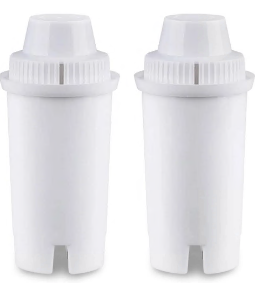
IcePure Replacement Water Pitcher Filter – 2-Pack
Summary
Caring for plants can be hard no matter where you are on your plant parent journey. In addition to consistent watering, the quality of the water you use for your plants is important, too. We hope you find this information helpful so your plants can go from just trying to thrive to bountiful and thriving!



Leave a Reply