




























- The water cycle moves water through evaporation, condensation, precipitation, and other stages, maintaining life and Earth's water balance.
- Precipitation returns water to Earth, shaping rivers, groundwater, and ecosystems; tracking it aids in flood and drought predictions.
- The cycle drives weather by transporting moisture, influencing storms, humidity, and temperature changes across the planet.
- Scientists use technology like satellites and radar to monitor the cycle, improving water resource management and weather forecasting.
Every day around the world, a cycle is continuously going on. It happens constantly, yet most of us aren’t aware of it. The water cycle, or the hydrologic cycle, is vital to life here on Earth.
The water cycle describes the movement of water on, above, and below the surface of the Earth. At various stages in the cycle, water can change states from a solid to a liquid or a gas. But what exactly are the stages of the water cycle? What do these stages do?
The Water Cycle’s Key Stages and Subtopics
Generally, there are 10 stages to the water cycle that range from evaporation to precipitation. They are as follows:
- Evaporation is the change of water from a liquid to a gas. On average, around 47 inches of water evaporate into the atmosphere from the ocean each year.
- Transpiration is the process of evaporating liquid water from plants and trees into the Earth’s atmosphere. Nearly all water that enters the roots transpires into the atmosphere.
- Sublimation is when ice and snow (a solid) change into a gas without moving through the liquid phase.
- Condensation is the process by which water changes back into a liquid. This is when we first begin to see clouds.
- Transportation is moving solid, liquid, and gaseous matter throughout the atmosphere. Without this movement, all the water evaporating over the ocean would not precipitate over land.
- Precipitation is water that falls to the earth. Most precipitation falls as rain, including snow, sleet, drizzle, and hail. On average, about 39 inches of rain, snow, and sleet fall yearly. Precipitation is vital to Earth’s water cycle. Scientists must track where it rains, how much it rains, and the character of the falling rain to better understand its impact on streams, rivers, surface runoff, and groundwater.
- Deposition is the reverse sublimation. Water vapor (a gas) changes into ice (a solid) without going through the liquid phase. This is often seen on clear and cold nights when frost forms on the ground.
- Infiltration is the movement of water into the ground from the surface. Percolation is water movement through the soil, going deep into the groundwater.
- Surface flow transports water from rivers, lakes, and streams to the oceans. The water may return to the surface in springs or eventually seep into the oceans.
- Plant uptake happens when water is removed from groundwater flow and soil moisture. Only 1% of the plant’s water is used by the plant, and the remaining 99% is passed back into the atmosphere.
Water Cycle Subtopics:
- The Hydrologic Cycle is a process that circulates water through Earth’s systems, connecting oceans, atmosphere, and land.
- Precipitation is rain, snow, sleet, and hail, which is how water returns to the Earth.
- Water’s Properties, such as its ability to change forms and dissolve substances, drive the cycle and make it essential for life.
- Earth Systems include the atmosphere, biosphere, and geosphere; water impacts all of them.
- Water is life; it supports all living things, from hydration to habitat.
Each stage works together to keep water circulating above, on, and below the Earth’s surface. Water plays a crucial role in maintaining life as we know it, from the invisible journey of vapor in the sky to the splash of rain on your window.
Why is Precipitation Important?
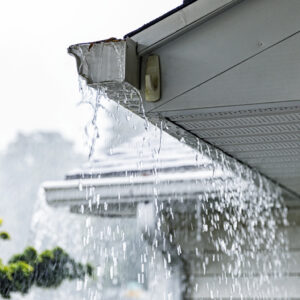
Perception isn’t just about knowing if it will rain; it’s crucial for shaping streams, rivers, surface runoff, and even how much water seeps into the ground. Tracking how much rain, snow, or hail falls and where it lands can help us better predict water flow through lakes and rivers. It helps us understand how quickly streams might rise after a storm, and how surface water might behave.
This information is also key for monitoring groundwater. When there is too little precipitation, wells and aquifers may run dry. When there is too much, flooding becomes a genuine concern for communities.
Ultimately, tracking and understanding precipitation helps everyone from farmers planning crops to city engineers designing drainage systems. Precipitation is a fundamental piece of the puzzle that helps us understand how water moves across, above, and below our planet’s surface.
How the Water Cycle Affects Weather Patterns
The water cycle is the powerhouse behind the world’s ever-changing weather. As water moves through each stage, it dramatically influences weather patterns.
As water evaporates from oceans, lakes, and rivers, moisture rises into the air. This moisture cools and condenses to form clouds. The more moisture there is, the greater the chance for clouds to form. Soon after, this can lead to precipitation.
Here’s how these changes impact the forecast you check on your phone each morning:
- Storms: Tropical storms and hurricanes get energy from warm ocean water through intense evaporation.
- Humidity: The water vapor in the air determines whether the day feels muggy or crisp.
- Temperature Changes: When water vapor condenses into clouds, it releases heat. This can influence atmospheric temperatures and even drive weather systems.
To put it into perspective, without the water cycle’s constant movement, we would not have rain for our gardens, snow on mountaintops, or summer thunderstorms.
How Do Scientists Track and Model the Water Cycle?
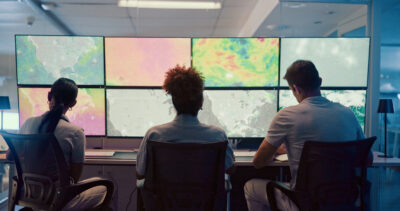
Scientists rely on a mix of observation and technology to understand how water moves through our environment. Weather stations, radar, and satellites measure rainfall, snowfall, and hail. These technologies allow them to watch when and where precipitation happens, and how much falls at a time. These frequent checks let researchers follow how water flows into streams, rivers, and underground reserves.
Detailed data on evaporation rates, soil moisture, and how water moves from plants back into the atmosphere is also collected by scientists to deepen their understanding of the water cycle. They use computer models to see patterns, predict changes, and spot trends in areas like surface runoff or groundwater supply. These efforts help ensure we’re prepared to protect Earth’s water resources.
Exploring Water Cycle Activities for Every Age
If you’re a teacher, parent, or just curious about the water cycle, many resources and hands-on activities suitable for all ages. Here are a few ideas that can help inspire making learning about the water cycle both fun and memorable:
For Younger Learners (K-5th grade):
- Precipitation Towers: Use basic materials (like kitchen supplies and clear jars) to create “rain” and “clouds”.
For Middle Grade Students (6th grade-8th grade):
- Freshwater Mapping Lessons: Students create maps showing freshwater lakes, rivers, and reservoirs, connecting classroom learning to real-world geography.
- Mini-Documentaries & Videos: Encourage learners to make short and engaging videos. These videos can explain how snow forms, the sizes of raindrops, and why watersheds are essential.
High Schoolers and Beyond (9th grade and up):
- In-Depth Lesson Plans: Comprehensive guides walk students through the entire hydrologic process, from cloud formation to groundwater infiltration.
Flexible Resources for Any Age:
- Educational Websites: Many websites offer videos, interactive diagrams, and quizzes to reinforce water cycle knowledge.
There are many ways to learn, regardless of age or experience level. Local libraries, teachers’ associations, or science museums are great places to learn more about the water cycle and often offer tons of free resources and events. They’re out there; you just have to search for them.
Water is vital to life on Earth, and it’s essential to not forget the importance of clean drinking water for you and your loved ones. At Filters Fast, we offer a variety of water products to help ensure clean drinking water. From refrigerator water filters to water filter pitchers, Filters Fast knows the importance of clean drinking water for you and your family, and we’re here to help you find the filtration system that best fits your unique needs. Contact us at 866-438-3458, or email Filters Fast at [email protected] to talk to your product experts today.


Katie says
Emmanuel,
Thanks for reading! Glad you enjoyed it.
Emmanuel Maseke says
Nice process of water cycle
In good series