





















Water quality is essential in any situation. We often take it for granted until it’s a major concern. As with many things, tackling an issue before it becomes one is best. A common contaminant found in water supplies is Legionella. We pride ourselves on being a resource that helps ensure your health and wellness by using water filtration. So, let’s discuss Legionella, its concerns, and how to remove it from your supply.
What is Legionella?
Legionella is a bacterium commonly found in freshwater environments like lakes, rivers, and streams. It can also be found in soil. The bacteria are known for causing Legionnaire’s disease. Just because you may have a municipal supply doesn’t mean you’re exempt from this bacterium. It can thrive in manufactured water supplies like cooling towers, plumbing systems, and drinking fountains—especially if they aren’t properly maintained.

How do you get Legionella?
You can catch Legionella by breathing in water droplets or soil that contains the bacteria. The primary concern is situations where you may breathe in water, such as showering or touching your face before drying your hands.
You can only catch it by breathing in the contaminated substance; fortunately, simply touching it will not infect you with the bacteria. Legionella contamination can lead to Legionnaires disease (a critical form of pneumonia) and Pontiac fever (a minor flu-like infection).
Where is Legionella most likely to be found?
As mentioned, the bacteria are commonly found in lakes, rivers, and streams. However, they can also be present in regular tap water, as they can be generated in the plumbing that transports them to your home.
What is the primary source of Legionella?
The bacteria naturally occur in freshwater environments, but usually in low concentrations. At this rate, Legionella is not harmful but a concern in high concentrations. In artificial water systems, Legionella can multiply drastically.
This is because they provide warm temperatures, stagnation, and biofilms, which are conditions that can promote bacterial growth.

What causes Legionella in water?
Legionella bacteria can attach to sediment and mineral deposits when the water is still. As a result, biofilm, a slimy layer that provides a secure environment for their growth, forms. This is primarily a concern in warm water systems that aren’t properly maintained.
How to get rid of Legionella?
One of the main ways it’s recommended to remove Legionella bacteria is to expose it to extreme heat, purifying chemicals like chlorine, and recirculation. But that is work that regular people probably would consider too much. So, what can we do?
The answer is simple. Water filtration!
Through microfiltration, you can significantly reduce the presence of Legionella in your water supply. The Legionella bacteria are .22 microns, so you must ensure your filter is certified to reduce contaminants with a 0.2 or 0.1-micron rating.
If you’re looking for one of the most effective ways to remove the bacteria from a point-of-entry standpoint, a reverse osmosis system is your ticket. Although it is more expensive, the return on the investment is well worth it.
Please remember that although it is effective, RO filtration has limitations. We’ll list some of them below.
• The first is that it only treats water at the point of use, meaning it doesn’t cover other areas where bacteria could grow.
• RO systems create water waste, which hinders their efficiency in large-scale Legionella contamination.
• The system also doesn’t eliminate biofilm, which is where Legionella thrives.
• To ensure performance, you’ll have to keep up maintenance.
Shop Reverse Osmosis Water Filter Systems
Suppose you’re concerned about being contaminated while bathing. A shower filter is a point-of-use filter that you can use. It reduces Legionella in water, aiding in limiting exposure, and is easy to install. However, as with the RO systems, the key is to clean, disinfect, and descale the shower head to prevent bacterial buildup.
Investing In a Water Filtration System Isn’t Enough
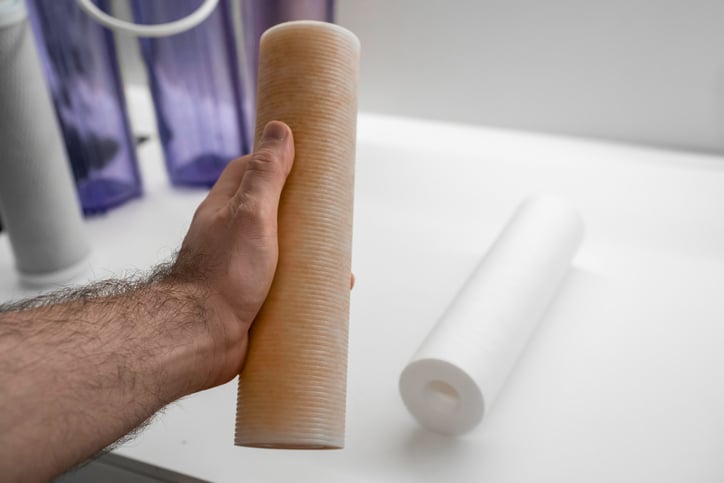
Deciding to go with water filtration to protect your home against bacteria such as Legionella is an excellent choice. However, it’s a continuous process. To keep your house guarded, you must consistently replace your filters.
Why?
Your filter is like a fishing net tasked with catching fish (contaminants) from the sea. After months of using the same net, eventually, it will wear and tear, allowing contaminants to pass through. In your filter’s case, it will also clog, creating a haven for bacteria like Legionella to multiply.
Whatever filtration method you choose, note the recommended replacement intervals and adhere to them. If you need help, we recommend using an auto-delivery program like our Home Filter Club. You could use tried methods like Post-it notes and phone reminders, but you still must order them manually.
With an auto-delivery system in place, it will arrive at your doorstep at your convenience. All you have to do is select Save with a subscription on checkout, and you’re set!

No Worries. Just Safe and Clean Water at Your Convenience.
Legionella is a bacterium that can be a genuine health concern. Luckily, there are ways to reduce both the bacteria and your worries. Quality water filtration can provide clean water to drink, cook, and bathe, allowing you to live a healthy life!
For more information on water quality or water filtration, please check the following articles:
- A Simple Guide to Water Filtration
- How well does your state monitor water quality?
- Does the Refrigerator Water Filter Brand Matter?
- How Water and Air Filtration Affect Your Quality of Food


Leave a Reply