

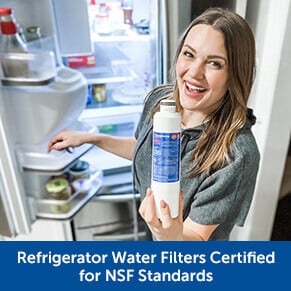















Finding the best refrigerator replacement can be troublesome if you don’t know what to look for.
First, you must understand that refrigerator water filters are not universal. The type of fridge filter you need will depend on the make and model of your fridge.
In most cases, you will have two options. You can get an Original Equipment Manufacturer (OEM) replacement filter. These filters are also referred to as brand-name or genuine. This means that the filter is manufactured by the original maker of the refrigerator, such as Whirlpool or Frigidaire.
The other option is to get an aftermarket filter for your refrigerator. Also referred to as compatible or off-brand, these filters are designed to fit your refrigerator but were not made by the original manufacturer. When buying an aftermarket filter, ensure the filter has all the necessary ANSI/NSF accreditations to provide a quality product.
Due to the large variety of connection types in refrigerators, most filters are compatible with a select few manufacturers.
Filters Fast carries several top brands, such as GE Appliances, Samsung, Bosch, Amana, Kenmore, LG, and more! We also have our brand of compatible refrigerator water filters at budget-friendly prices.
If your refrigerator doesn’t have a built-in water filter, an inline filter may be your best option! Inline filters can be installed between your refrigerator and the water source. This is an excellent solution for older refrigerator models. For more information on inline filters, check out Inline Filters: A Complete Guide for Better Water Quality.
What’s the Difference between OEM and Aftermarket Filters?
OEM filters are specifically designed for the refrigerator make and model and are often the safest bet for compatibility. They frequently carry NSF certifications for contaminant reduction claims, like chlorine taste and odor. Some OEM brands may also be certified to reduce lead, heavy metals, etc.
However, OEM filters are often the most expensive option, which leads many to explore an aftermarket option.
Aftermarket filters are designed to fit various models and come in multiple brands and quality levels. Some aftermarket filters may have NSF certifications.
Here is what to look for when considering an aftermarket filter:
- Certification: Look for NSF/ANSI certification. This will ensure filtration performance and safety.
- Compatibility: Ensure your refrigerator model is listed.
- Filtration Technology: Is the filter media listed? Ensure you understand what the filter is made of and how it will impact your water.
- Return Policy & Retailer Reputation: Check the seller’s return policy to ensure you can return the filter if it doesn’t work or doesn’t meet the promised quality standards. Also, ensure that the retailer you buy from has a reputable reputation. How long has the company been around? What do the reviews say? Etc.
By understanding and weighing the differences—cost, certification, and compatibility—you can confidently choose the best filter for your fridge and budget.
How to Find the Best Fridge Filter
Once you understand the different types of filters available, it’s time to find the best refrigerator water filter for your needs.
Filters Fast’s Filter Finder Tool can determine your refrigerator water filter options. Here’s how:
- Go to FiltersFast.com
- Choose Refrigerator Filters in the navigation menu.
- Select your fridge brand (LG, Whirlpool, Frigidaire, Maytag, etc.)
- Find your refrigerator style (French 3-Door, Side by Side, etc.)
- Correctly answer where your fridge filter is located from the options on the screen (Back, Upper Right or Left Interior, etc.)
- Pick the option that best describes how your filter is removed (e.g., Twist, Pull to Remove).
Once you’ve completed the short questionnaire, you will be presented with the filter options available for your refrigerator. From there, you can decide which filter you want to order.
You can also watch this quick video on how to use the Fridge Filter Finder Tool:
Other Ways to Find Your Filter:
- Search by refrigerator brand and model number. This information is on a sticker inside your refrigerator or in your owner’s manual.
- Find the part number on an existing filter and search for your filter that way.

Shop Refrigerator Water Filters
What to Know Before Choosing a Filter
Some research goes a long way if you’re considering a generic or aftermarket refrigerator water filter. Check out these tips to help you choose wisely:
- NSF & WQA Certifications: Look for official certification seals to ensure that the filter you are looking at will meet or exceed quality standards.
- Verify: Read the description and/or packaging carefully. Make sure the filtration capabilities match the certifications listed.
- Documentation: Reliable filters usually have an online data sheet or installation sheet. These items can help you determine whether they are legit.
- Brand Research: If unfamiliar with the filter brand, check its website. Confirm the filtration claims wherever possible.
- Look for Reviews: Customer reviews can help you spot recurring quality or customer experience issues.
- Satisfaction Guarantee: Before purchasing, find out the company’s return policy. A hassle-free return process is a nice bonus and will save you a lot of frustration if the filter does not work out.
These tips will better equip you to choose a filter that fits your refrigerator and ensure clean and safe water.
Understanding Refrigerator Water Certifications
When shopping for your replacement refrigerator water filter, you may encounter a few certifications. These certifications indicate the filter’s quality and support any contaminant claims that the filter makes. The most common one you should see is NSF, which stands for National Sanitation Foundation.
Here’s a quick guide to what they mean:
- NSF 42: Will improve the taste, odor, and appearance of water by reducing chlorine, particulates, and certain minerals.
- NSF 53: Besides improving the taste, odor, and appearance, it also reduces a broader range of contaminants, including lead, cryptosporidium, volatile organic compounds (VOCs), and chromium.
- NSF 401: Will reduce emerging contaminants, including pharmaceuticals, herbicides, and pesticides.
- NSF 372 and 61: Will ensure that materials in the filter do not cause unsafe lead levels in your water.
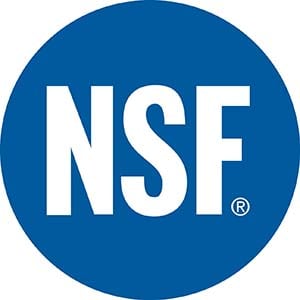
In addition to NSF, a little less common is a Gold Seal from the Water Quality Association (WQA). If you see this seal, it means the filter meets strict performance and packaging standards, and even further, it ensures that the filter meets rigorous quality standards. You may also see an indication that a third party, like IAPMO, has tested the filter. These indications should give great confidence that the filter is a great choice.
These certifications indicate the quality and authenticity of the filter. It’s best to choose the filter that best meets your filtration needs. Consider your local water quality and what contaminants you want reduced in your water. If you’re unsure about your water quality, contact your municipal water supplier or test it with an at-home water quality test.

What are the pros and cons of using a generic water filter instead of the OEM?
While the refrigerator water filter you use is ultimately up to you, there are pros and cons to consider before replacing an aftermarket filter.
Pros:
- Affordable
- Compatible
Con:
- May reduce fewer contaminants
- May not be covered under warranty
Knowing the risks of using a non-OEM refrigerator water filter is essential. Will using an aftermarket water filter void your refrigerator’s warranty?
Will Non-OEM Filters Void Your Warranty?
What if your refrigerator doesn’t have compatible generic filters?
If you are having trouble finding a compatible filter for your refrigerator, you should go with the OEM filter. This is becoming increasingly common for newer refrigerator models.
Why should you change your refrigerator filter?
Changing your refrigerator filter often is essential. It’s recommended that you change your filter every six months. You might wonder, though, why you should. What benefits or detriments could it possibly bring?
Activated carbon is the most conventional filter media used in refrigerator water filters. When exposed to oxygen, this carbon opens highly permeable rivets that ensnare pathogens, odors, and microorganisms in the water. Eventually, the carbon loses its effectiveness in removing pollutants, resulting in a clogged filter.
This consequence is dangerous as it can create an environment that is a haven for bacteria. Drinking this water can be detrimental to anybody who consumes it. A fresh refrigerator filter will give you clean drinking water and reduce the risk of infection from germs.
How long do refrigerator water filters last?
Most refrigerator water filters have a filtering capacity of about 300 gallons or a lifespan of around 6 months. After that, they may lose their ability to trap contaminants.
It’s essential to change your refrigerator water filter at least every six months or twice a year for optimal performance and to maintain the safety of your water.
For helpful tips on replacing your refrigerator water filter, check out our blog, Troubleshooting Tips: How to Change Your Refrigerator Water Filter.
Why is filtration important for refrigerators with built-in ice makers and water dispensers?
If your refrigerator has a water dispenser or ice maker, delaying filter changes can have consequences that affect more than just taste.
As we mentioned, not only does a filter lose its effectiveness over time, but it can also become a haven for bacteria. If you choose not to drink water from the dispenser but still use the ice, you expose yourself each time you add ice to your beverages. Not to mention the funky taste!
When you neglect changing your filter, this can lead to mineral buildup in the refrigerator’s system, which can be costly. Regular replacements not only protect your health but also protect your investment in your refrigerator, too!

Time for Change
Changing your refrigerator water filter regularly is essential to maintain optimal refrigeration operation. Although it may initially seem confusing, it is relatively easy once you’re familiar with the steps. Filters Fast can be a bastion of help. Call us at 866-438-3458 or [email protected].


Leave a Reply