



























- Distilled water is purified by boiling and condensing steam, removing all contaminants and minerals, making it very pure but flat-tasting.
- It is safe to drink and commonly recommended for mixing baby formula but lacks essential minerals like calcium and magnesium.
- Distillation uses more energy than other methods and is best for specialized uses, while reverse osmosis offers balanced mineral retention for daily drinking.

You’ve probably seen distilled water jugs in the aisle at your local grocery store, but have you ever wondered if you can drink distilled water? Is it safe to drink distilled water? The answer is yes, but there is some additional information you should know about distilled water before you start consuming it.
How to make distilled water
Distillation purifies water by boiling it into a vapor and then condensing the vapor back into liquid form. To distill water, you’ll need to use a water distiller.
What is a water distiller?
Water distillation machines come in various sizes, from smaller countertop models to larger commercial units, but the components are essentially the same. A home water distiller uses a reboiler or pot to heat the water, a condenser to collect the vapor back into liquid, and a receiver to collect the purified water. The distillation process does not require water filters.

Gif source: gifer.com
Distilled Water vs Purified Water
Distilled water is safe to drink because it’s free of contaminants such as bacteria, viruses, and volatile gases. But it also strips important minerals like calcium, sodium, and magnesium. Because of this, you may find that distilled water tastes flat and unappealing.
The main risk of drinking distilled water regularly is that your body will not get essential minerals.
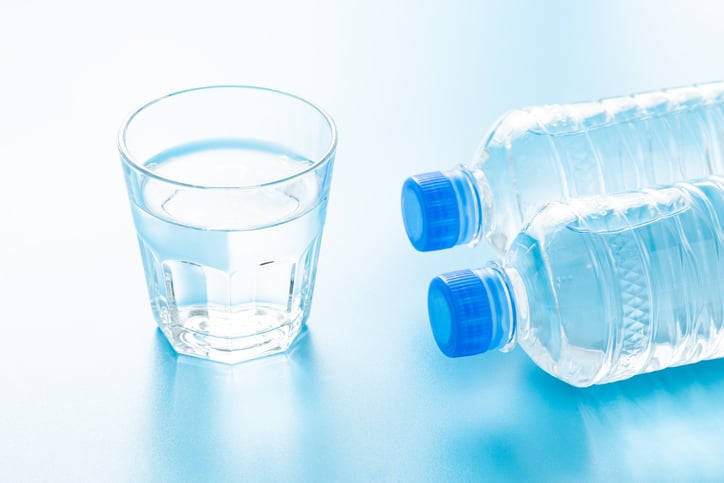
How does filtered water compare to distilled water?
Both filtered and distilled water aim to remove impurities, making your drinking water safe. The main difference is the process they use to achieve those goals. Filtration methods such as charcoal filters, countertop water filter systems, pitcher filters, and under-sink water filter systems usually leave behind healthy minerals that can enhance taste. Whereas distilled water removes them.
This is why distilled water, while free of contaminants and minerals, often tastes flat. If you desire your water to retain its natural flavor with minerals, filtered water is a good option.
Reverse Osmosis vs Distilled Water
Reverse osmosis is another popular filtration method, as it’s the most effective at removing pollutants – up to 99%! This means that unwanted substances such as bacteria, heavy metals, and certain chemicals will be captured, removing any concerns. And certain RO systems allow you to remineralize the water if that’s what you want. Replacing your reverse osmosis water filters as recommended helps the system continue performing effectively.
Distilled water
The main benefit of distilled water is that it is pure, with all minerals and impurities removed. It’s an excellent choice if you specifically need it for medical use or appliances. However, because the distillation process removes important minerals like calcium and magnesium, it isn’t the optimal choice for drinking if you desire to have those minerals occur in your diet naturally.
Reverse Osmosis
A reverse osmosis (RO) water system can strike a middle ground. RO systems remove a wide range of impurities very efficiently. It can remove minerals, but also restore them, depending on your system. For most households, RO-filtered water can ease concerns and deliver great taste.
Shop Reverse Osmosis Systems
Best Water Filtration System
Having clean, everyday drinking water is important. When it comes to selecting the right type between distilled, filtered, and reverse osmosis water, it will depend on your priorities and needs.
*Mineral and contaminant reduction will vary by filter and system. Check the product’s performance specifications and certifications for specific information about what the system is designed to reduce.
Best for Fluoride Reduction
Water Distiller and RO Systems. A water distiller and an RO System are two of the most effective solutions for removing fluoride from your water. The distillation process completely removes fluoride from water. An RO system’s multiple filtration stages and semi-permeable membrane can effectively reduce fluoride in water.
Best for Baby Formula
Distilled water is commonly recommended for mixing baby formula because it contains no harmful contaminants, such as bacteria, chemicals, or other harmful impurities.
Best for Appliances
For water-using appliances, an RO system is ideal, as it removes virtually all impurities and can be used for a whole-house application. However, it’s important to note that RO systems are often expensive, require high daily production, and require a large storage tank. With RO systems for the whole home, you may experience low flow rates, high wastewater discharge, and higher ongoing maintenance costs. In addition to all this, you’ll need to consider how a whole-home RO system will affect your home’s plumbing and other fixtures. Because the water is stripped of all minerals, it will be slightly more acidic and can corrode standard copper plumbing and fixtures if it is not remineralized.
Instead, you may want to look into a whole-house filter or water softener to address your concerns, as they vary from household to household.
Best for Daily Drinking
The best daily drinking water filtration system is the one that fits your lifestyle and budget. It’s important to consider the contaminants that you want to remove from your water and how much you’re willing to invest in up-front and maintenance costs.
Filtered water, whether from a well-maintained pitcher, faucet, or fridge water filter, removes most common contaminants while preserving beneficial minerals. This makes it a balanced option for daily use.
Shop Water Filtration Pitchers
Shop Best Countertop Water Filters
In summary, RO, distilled, and most filtered water systems are safe options, but filtered water often provides a tastier, more balanced drinking experience because it retains the essential minerals your body needs.

More Distilled Water FAQs
Is boiled water the same as distilled water?
It’s not surprising that people think that boiling water and distilled water are similar, but they’re different when it comes to purification. Boiling water is an effective way to kill bacteria and viruses. Simply boiling for a minute eliminates most microorganisms. However, it doesn’t remove dissolved minerals, salts, or chemicals like lead or chlorine.
Distillation takes the purification process to the next level. During the distilling process, heat turns water into steam, leaving behind impurities and minerals. The distiller then condenses the steam back into liquid form, producing purer water than boiling alone can.
So, while both processes help make water safer, distilled water goes the extra mile in removing contaminants that boiling alone can’t address.
Can babies drink distilled water?
Distilled water isn’t typically recommended as a drinking water source for infants. This is due to the removal of essential minerals, such as calcium and magnesium, which are important for development. Normally, babies get these nutrients from breast milk or fortified formula; drinking only distilled water may not provide enough minerals on its own.
In short:
• Use distilled water for mixing baby formula, especially if your tap water quality is questionable.
• Once your baby is ready for regular drinking water, consult your pediatrician about the best water choice to ensure your child gets enough minerals.
How much energy does it take to produce distilled water compared to other purification methods?
Distilled water takes more energy than other purification options. This is because the process relies on boiling water and then cooling it, using more electricity or gas than filters or home purifiers do. If you’re planning to use a distiller regularly, factor in the higher energy cost into your budget.
Is distilled water sustainable from an environmental perspective?
Distilled water is best for situational use. This is because, although it helps reduce reliance on plastic bottles, the energy required is substantial.
Energy consumption
Distillation relies on boiling water, a process that requires a good bit of energy compared to other filtration methods. Higher energy demands mean that distilling water at home or commercially can leave a large carbon footprint, especially if the electricity used comes from non-renewable sources.
Reducing plastic waste
On the other hand, a distiller can help reduce the number of single-use plastic bottles used with store-bought water. Homemade distilled water lets you use reusable containers and reduce unnecessary packaging waste.
The big picture
While distilled water has its place, especially for specialized uses, it may not be the greenest everyday choice. If sustainability is a top priority, you might consider alternatives such as reverse osmosis or advanced filtration systems, which can provide purified water with lower energy and environmental impacts.
Does using bottled distilled water contribute to plastic waste?
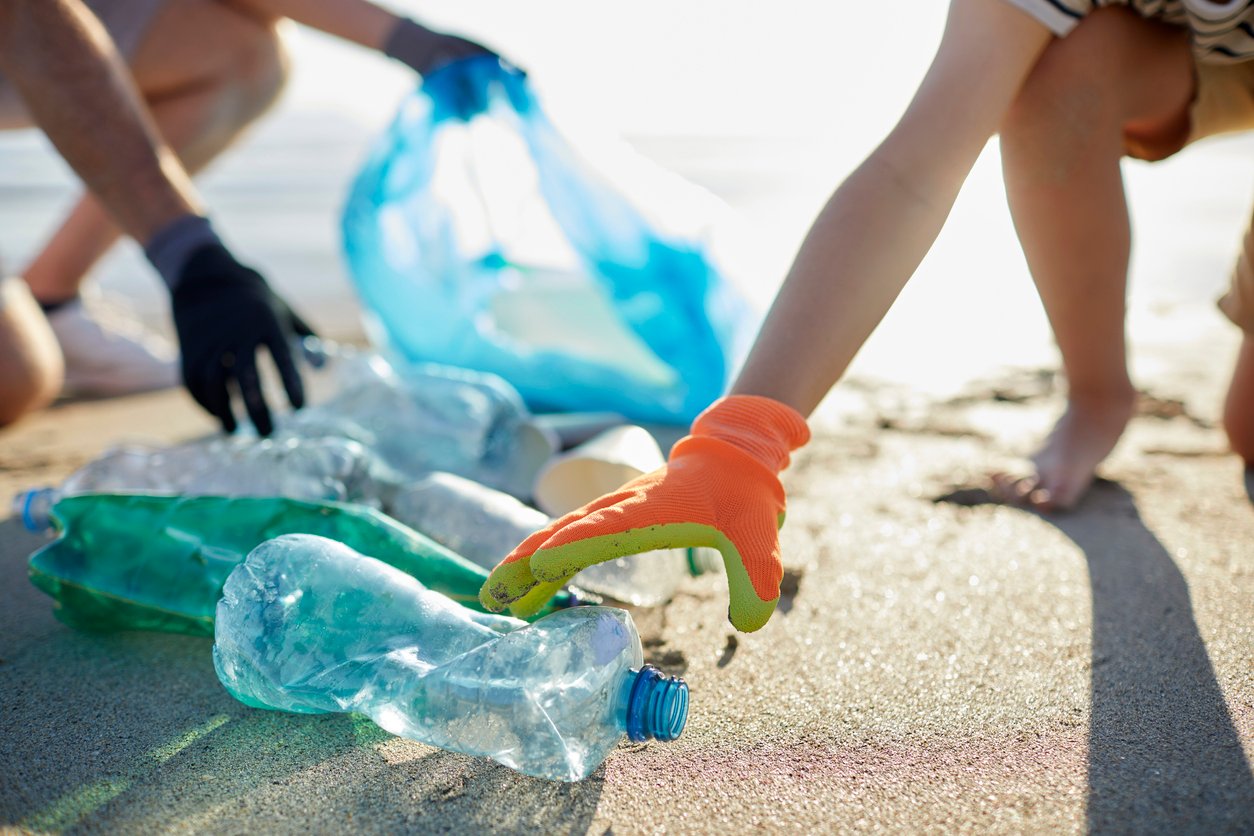
Getting your water from a store means that single-use plastic bottles will quickly add up. Eventually, continued purchases will contribute significantly to plastic waste, which isn’t environmentally friendly.
A home water distiller can reduce your reliance on plastic bottles. Plus, an added benefit is the convenience of having clean water without the extra trips to the store.
Is distilled water better than reverse osmosis?
While both are better than tap water and bottled water, reverse-osmosis water contains beneficial minerals that are good for your health, whereas distilled water does not.
What is distilled water used for?
Distilled water is the purest form of water, so it is commonly used in medical labs and dental practices. It can also be used for cooking, watering plants, pet water, and even aquariums! Distilled water is also ideal for household appliances like humidifiers, espresso makers, CPAPs, and more!

Clean water available at your convenience, but be mindful!
If you’re aiming for the healthiest drinking water possible while retaining some minerals for flavor and nutrition, reverse osmosis or a high-quality filtered water system is often the best everyday choice. Distilled water is safe but best reserved for specific uses rather than regular consumption. Water is central to having a healthy lifestyle, and distilled water is one way to attain it. It’s safe for use and is even recommended for mixing with baby formula. However, note that it removes essential minerals and could affect taste. If you choose it, remember that although it helps reduce reliance on plastic bottles, it consumes more energy.
For more information about water filtration, please see the following articles.
- What You Should Know About Microplastics in Drinking Water
- Best Counter Top Water Filter: How To Choose the Right One
- Finding The Best Refrigerator Water Filter



Katie says
Peter,
Thank you for reading our blog. We’re glad you learned something!