




























A correct way to install an air filter exists.
Most air filter brands will have an airflow arrow on the filter frame. Which direction should the airflow arrow face? The answer is toward the furnace and in the direction the air flows.
In this blog, we’ll answer common questions about installing an air filter and show you how to determine which way it should face.
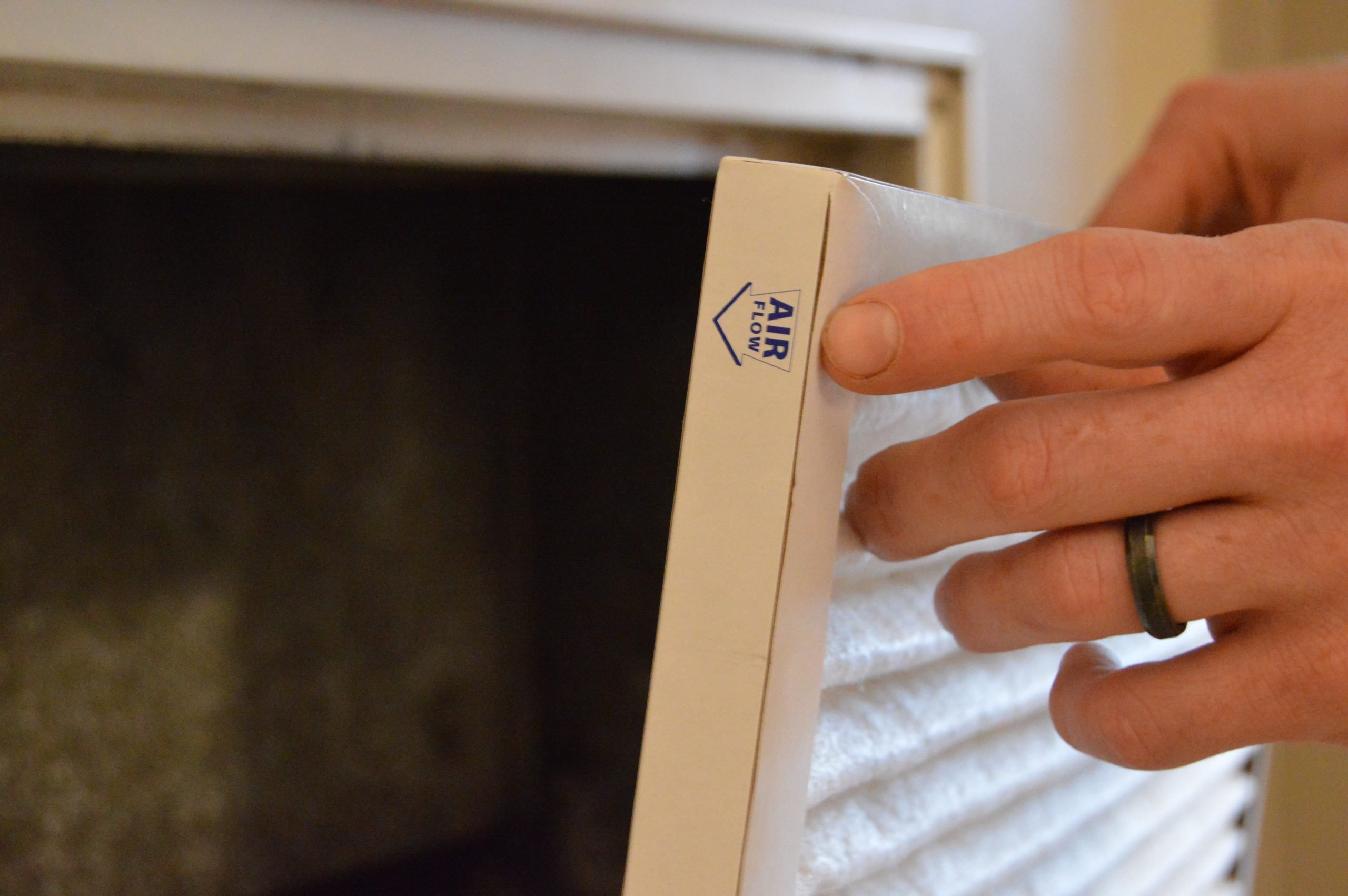
- The air filter's airflow arrow should always point toward the furnace, blower motor, or return duct, following the direction of airflow.
- Proper filter installation improves air quality, protects HVAC components, and prevents increased energy costs and system strain.
- The pleated side of the filter faces you during installation, while the arrow side faces inward, regardless of filter orientation.
- Regularly inspect and replace filters every 1-3 months to maintain airflow, protect your system, and keep indoor air clean.
Which Direction Does The Air Flow Arrow on the Air Filter Go?
Simply put, the arrow on the filter should always point in the direction the air flows through the filter.
Here’s an easy way to figure out how the airflow arrow should point. The arrow should ALWAYS point toward your return or furnace.
WHICH WAY DOES THE AIR FLOW ARROW POINT?
The airflow arrow should point toward the furnace, blower motor, or return duct.
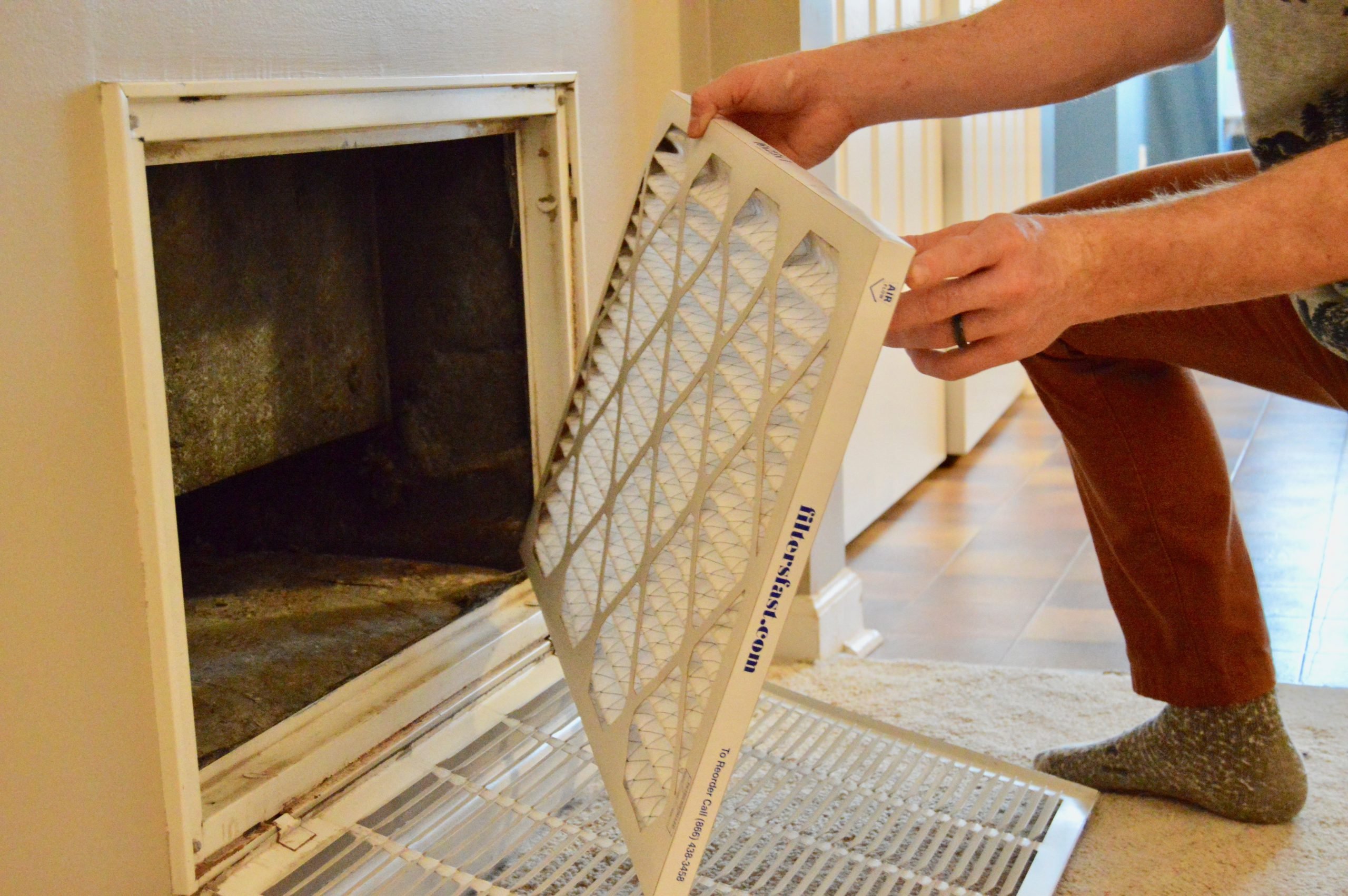
If installing the filter in the wall or ceiling, the pleated part should face you. The other side, which usually consists of a metal mesh or cardboard frame, should point towards the wall or ceiling.
If installing the filter inside your furnace, the arrow should point towards the furnace into the ductwork.
Here’s a quick video that helps explain it:
How to figure out airflow direction for HVAC
One way to check the airflow is to hold a plastic grocery bag up to the grille or grate when your air is running. If the bag sticks, it means the airflow is flowing towards the return air duct. Again, make sure that your air conditioning is running when you try this. If not, the bag will fall, and you will not be able to determine the airflow direction.
Where is the Filter Located in Most Furnaces?
Finding where your filter is located might not be as easy as it sounds. In most setups, you’ll find it in one of these two places:
- Directly inside the furnace cabinet: Usually near the blower fan. This will require opening a panel at the bottom or side of your furnace.
- Behind the return air vent grille: Usually located in a wall or ceiling where a large vent is. Typically, a return air grille filter will be installed behind a metal grate.
It’s a good idea to start with the main unit and look for a slot that might be wide enough for a filter. Some models might have a diagram or arrow as a clue. Take note of areas around the house where you see vents, check closets, and behind furniture, too.
Does the type of furnace affect the direction of the arrow on the filter?
Not all furnaces are the same. That’s why it’s important to know your furnace type when installing the filter. Here are a few tips to ensure the airflow arrow points in the right direction, depending on your furnace type:
- Upflow furnace (common in basements): The arrow should point up towards the top of the unit.
- Downflow Furnace (usually located in attics): The airflow arrow should point down toward the bottom of the unit.
- Horizontal Furnace (common in crawl spaces): The arrow should point to the side towards the blower end.
Regardless of the type of furnace you have, the arrow should always point towards the blower motor. If you’re still unsure, don’t hesitate to reach out to us with more details, and we’ll help you ensure it’s installed correctly.
Why is it important how you install your air filter? Does the airflow arrow matter?
There are many reasons why the direction you install your air filter matters.
How you install your air filter can impact the quality of your air and the longevity of your system.
Proper installation will allow it to do its job – effectively capture dust and other debris and prevent it from reaching the essential parts of your system.
If you’ve installed your filter incorrectly, buildup can occur on your system’s crucial components. This can also increase wear and tear, decrease its lifespan, and cause you to replace it much sooner than you would like.
What if I installed my air filter backward?
A filter installed backward will do more than let just a little extra dust slip by. It will restrict airflow, making your system work harder to keep your home comfortable. This will cause your energy bill to spike and unnecessarily strain the blower motor and other key components. Over time, this can lead to clogs, damage, or even a complete breakdown of your system.
An air filter installed correctly helps reduce energy costs because the system does not have to work harder to pull in air. Installing your HVAC filter correctly can help prevent costly system repairs and replacements, as well as high energy costs.
An air filter installed correctly also captures contaminants more effectively, improving your home’s indoor air quality.
Can a Furnace Filter Be Installed Upside Down If the Arrow Is Correct?
As long as the airflow arrow is pointing in the right direction, toward your furnace or return duct, you’re good to go. The filter will work properly no matter how you orient it.
What matters most is that the arrow follows the path of air through your system. The pleated side of the filter should always face you as you install the filter, just as before. It’s essential to ensure the filter fits snugly in place and that it is not bent or crumpled, as this could affect airflow and reduce filtration efficiency.
Always make sure the arrow points toward the furnace or return, and that it fits properly.
Does the direction of the pleats matter?
The orientation of the pleats will not impact the filter’s performance. As long as the airflow arrow is pointing in the correct direction, you’re set. The pleats will do their job whether they’re running horizontally or vertically.
When installing an air filter, focus solely on the airflow arrow’s direction. The pleats will trap dust, pollen, and whatever else may be floating through your home’s air as they are intended to.
What if there’s no arrow on my air filter? Does it really matter?
Most brands of pleated air filters will have an arrow printed on the frame. However, in the event that the filter you have does not have an arrow, make sure that the more open part of the filter is pointing towards you. If you are using a filter without pleats or a structured backing, or if it looks the same on both sides, like a fiberglass filter, it does not matter which way it’s installed.
Step-by-Step Guide: How to Install Your Furnace Filter the Right Way
Time to change your furnace filter? Here’s how to do it:
1. Turn Off Your HVAC System
Switch off your system using the thermostat. This keeps things safe and prevents dust or debris from circulating while you are changing the filter.
2. Remove the Old Filter
Unlatch the grille grate or filter compartment door, then carefully remove the dirty filter. Keep a trash bag nearby so you can put the old filter in it and keep dust and debris from coming loose.
3. Install the New Filter
Install the fresh filter, making sure:
- The arrow is facing the direction of airflow (toward the furnace or blower)
- The filter sits snugly, with no gaps around the edges
Remember: the pleated side should face you as you install it, and the sturdy side with the arrow should face inward.
4. Close Things Up and Power On
Close the cover or grille. Turn your system back on, and enjoy fresh, clean air and the sense of accomplishment of checking something off your to-do list.
Keeping up this routine every 1-3 months will help your HVAC system run smoothly and improve your indoor air quality.
Need a New Air Filter?
Choose from a large selection of sizes, depths, MERVs, and brands.
Find the perfect filter for your furnace.
Protect your AC system with a quality air filter.
Improve the circulation of your HVAC System by increasing airflow in your home.
Find A Return Air Grille Filter for Your System
Novice to Expert in No Time
We know that multiple scenarios could lead you to research this question. Maybe there is no filter to reference; it’s your first time installing an air filter, or you have a filter without an airflow arrow.
Check your HVAC owner’s manual if you’re unsure where your return is located.
Don’t sweat it! As long as the pleated part of the air filter faces you, you can be confident you are installing your filter correctly.
You shouldn’t have to force the filter; it should fit snugly in the area where you insert it.
When in doubt, pay attention after you’ve installed your filter, and your system runs the air for the first time. Listen for unusual sounds coming from the furnace or air filter grille.
Why Do You Need a Furnace Filter?
Air filters are an essential part of your HVAC system. Without a filter installed, you risk damaging your furnace or HVAC unit and circulating allergens and other contaminants throughout your home’s air, which can cause chronic illnesses. You will also see higher energy costs because your system has to work harder to do its job.
Before Your Filter
How to Choose the Right Filter Size and MERV Rating
Picking the correct filter size and MERV is as important as proper installation.
Filter sizes are usually printed on the side of the old filter or on the inside of the filter slot. Still can’t find it? Check out our blog about how to measure your air filter.
How to Measure Your Air Filter
Once you know which size you need, you’ll want to ensure the MERV (Minimum Efficiency Reporting Value) rating is the best choice for you and your system.
For most homes, MERV 8 and MERV 11 work best. These MERVs will capture most dust, pollen, and pet dander without making your system work extra hard to pull in air. While jumping to a higher MERV rating might be tempting for its filtration capabilities, those filters can be too restrictive for residential systems and may reduce airflow, which isn’t good for your HVAC’s health.
If unsure, follow your system’s manual or ask a professional. Choosing the right size and MERV rating will help your AC filter do its job and keep your air and HVAC system happy.
Changing Your Air Filter Doesn’t Have to Be So Hard
Now that you know how to install your air filter, changing your HVAC filters should be easy home maintenance.
The most important thing you must remember is to replace your air filter regularly. The most common recommendation is to change every 1-3 months. Inspect your filter regularly to determine the best change cadence for you.
Why Should You Regularly Inspect Your Furnace Filter?
Even if you change your filter regularly, checking it every month or so is a good idea. Life moves fast, and pet hair, dust, and pollen can quickly build up on your filter.
Consistently checking your filter will help you catch any signs of visible damage, sagging, or buildup before it becomes a bigger issue.
A quick check can also help prevent airflow problems, keep your system efficient, and keep your air clean.
Going too long without replacing your filters can strain your equipment, raise your energy bill, and worsen air quality.
How Often Should You Replace Your Air Filter?
The average home should replace filters every 1–3 months. However, you may want to swap them out more frequently if:
- You have pets living in your home
- Someone in your home has allergies or asthma
- You’re having your home renovated, or there’s construction nearby
Regularly replacing air filters keeps airflow strong and helps protect your system. That’s why it’s so important to make it part of your routine to check and change your filter as needed.
Need Replacement Air Filters?
The quality of your air filter is just as important as putting it in correctly. Poorly made filters will clog fast, making them just as ineffective and dangerous as if you had installed them incorrectly! If you’re unsure whether your current filter is sufficient, we’ve got you covered!
Filters Fast® Air Filters are an excellent choice for air conditioning filters. Each Filters Fast filter is made with high-quality pleated media to capture airborne contaminants in your home’s air.
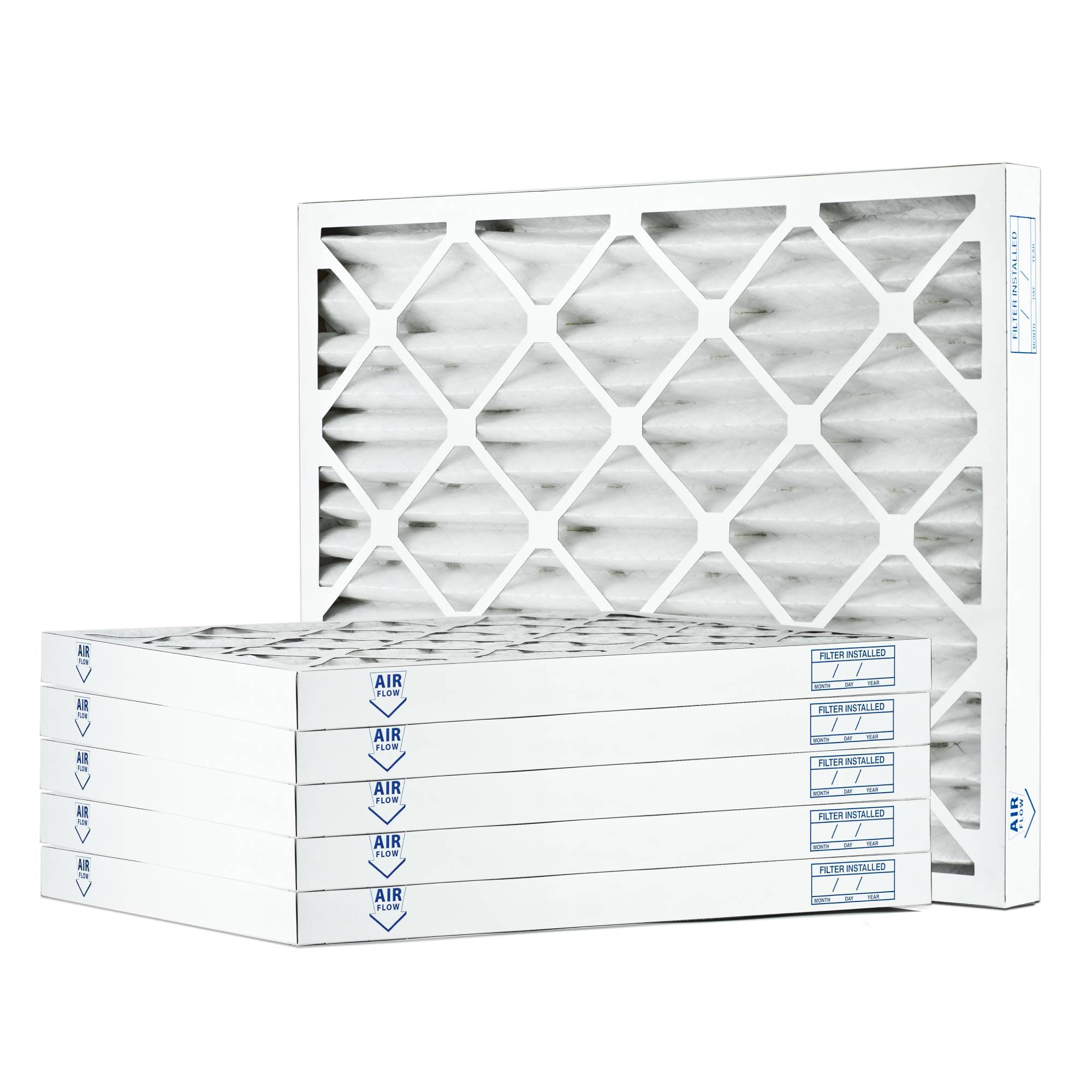
Don’t wait! Keep clean air in your home!
Do you wish there were an easier way to remember what size air filter you need and when it’s time to change it? Sign up for our Home Filter Club filter subscription service! Just find the filter you need, subscribe, and save!
We’re Here to Help
If you have any questions or need assistance installing your filter, contact us at 866-438-3458 or [email protected]. A team member will be happy to help you ensure your filter is installed correctly.
For more information on air filters, check out the following articles:
- 4 SURPRISING Reasons Your Air Filters Get Dirty Quickly
- 5 Tips to Make Your Air Filter Change Smoother
- How to Save Money on a HVAC Repair
- Are Filters Fast® Air Filters Good Quality?



Brandon says
Hello Richard, thanks for reaching out to us. The air flow arrow should point towards the furnace. Hope this helps. If you have any questions, feel free to contact us at [email protected]. Take care!
Richard DeJohn says
I have 2 filters in my Centennial Oil furnace. Both go in at an angle with the pointed end facing towards the access door. The Chimney is at the top of the furnace entry door. I’m still not sure where the (air flow) arrows of the new filter are to point. Thank you
Brandon says
Hello Vicky, thanks for reaching out! The arrow on your air filter should point towards your furnace.
Vicky Helsel says
My air filter goes in the bottom of the furnace. Should the arrow point up or down? Thank you, vicky
Brandon says
Hello Ed, since you have a different design than our standard filters, we’ll need some more information to assist. If you could find your part number and contact our customer service team via e-mail, [email protected], they’ll be glad to help you further.
Ed says
I have a metal reusable filter. No arrow on filter? How do I know what side goes toward air flow? Thanks Ed
Brandon says
Hello Sheila, thanks for your comment. Usually the arrow is going to point toward the furnace, although the direction of the air flow can affect this. To be certain, we would need more detailed information about your furnace design. Please contact our customer care team at [email protected] for additional assistance in installing your filter.
sheila elliott says
Hi my filter vent is on the floor under the furance unit I take off the top door then the bottom. So which way should my arrow be facing. Right now I have the arrow facing up toward the unit. Thank you have a blessed day
Katie says
Michael,
Thank you for sharing that great tip!
Michael says
One way to check the air flow while your unit is running is to take a plastic bag (like you get at Walmart) and hold it up to the grill. If the bag is sucked in towards the grill, that’s the air flow direction.
Katie says
Hi Chelsea, great question! Unless the manufacturer of your filter says otherwise, the arrow should always point toward the furnace.
Chelsea says
My arrow points the opposite side the metal mesh is on so the metal should be on the furnace side not facing me?
Katie says
Cynthia,
Thank you for your feedback. The filter arrow should point toward your furnace system as it slides in.
Cynthia Tier says
None of this helped me. My air filter slides inside the furnace not on the outside of it. I still don’t know which way the filter arrow goes. Up or down. Nobody seems to know. I’m sure I’m not the only one with a furnace like this.
Katie says
Kristee,
We are so happy to hear that you found this blog post helpful! If you have any questions when it comes to air or water filtration we are happy to help!
Kristee Nassar says
Omg thanks! First time putting in an air filter. Newly single mom and just moved into an apartment. Didn’t ever have to worry about things like this because my husband always took care of em.
Katie says
Ken,
Thank you for reaching out to us. We asked our Air Filtration Expert to weigh-in on this and here’s what she recommended: Make sure you have a filter in each return. Perhaps start with a 1″ MERV 8 to see if that offers the improvement you are looking for. She also recommends adding room air purifiers to help improve the overall air quality.
Ken says
When I built my home 20 years ago my heat pump, duct..all were installed then. There were two return vents installed in the hallway that had 1” pleated filters in. 4 years ago I had to replace that heat pump with a new American Standard. That company installed me a 16x20x4 filter in the return just before the return to the handler. I use a Mer 13 and change it about every 8 months. The filter says a year. There is dust that gets in the hallway returns before reaching the filter near the handler meaning the return duct gets a lot of dust before ever getting to the filter. Can I put some kind of thin filter in the hallway returns to catch some of that house dust before it gets to the filter back before the handler? Could that be to much restriction? Any other options? Don’t like the idea of all that dust going into the hallway return bents before it travels 20 ft to the 20x16x4 filter before the return to handler?
Katie says
Andy,
You are absolutely right, I do live in the south and do not have a basement. I have also seen air filters installed next next to the furnace, but now you have my wheels turning as to what the differences are. This is really interesting!
Andy Murphy-Young says
I’ve never seen a place where you put the air filters in the wall intake like that. They have always been in the basement next to the furnace. Do you live in the south where their aren’t basements or use a different type of HVAC?