
























- Refrigerator air filters remove odors and harmful contaminants like bacteria, mold, and yeast to keep food fresher longer.
- Carbon-based filters trap odors by filtering circulating air, which baking soda cannot effectively do across the entire fridge.
- Replacing filters every 6 months prevents bacterial growth, reduces food waste, and supports better health for sensitive individuals.
- Filter replacement is simple: locate, remove old filter, insert new one, and reset indicator if your fridge has one.
Refrigerator air filters are vital, and here’s what you need to know about them.
Overlooking a refrigerator air filter is easy. More and more refrigerators are offering air filters, but most people don’t know their fridge has one. You may not be aware, but replacing it is vital, and we’re here to help you with that process.
First things first, let’s go over what a refrigerator air filter does and why you should replace it. Then we’ll help you find the best replacement air filter for your refrigerator model.
What is a Refrigerator Air Filter?
A refrigerator air filter prevents odors in your fridge. It deodorizes air pathways so that when you open the door, you are smell-free and surprise-free. Some refrigerators do not have an air filter. The ones that do may notice that food stays fresher longer and that there aren’t any unpleasant smells when they open the door.
Refrigerator air filters do more than just absorb odors; they can also help remove a variety of things you definitely don’t want in your fridge’s air, including:
- Particulate matter
- Salmonella
- Listeria
- Mold
- Yeast
The most susceptible areas of a refrigerator to bacterial growth are the vegetable and meat drawers. These areas are hotspots for bacterial growth, especially when you’re putting unwashed produce in them. Without proper air filtration in your fridge, bacteria can easily spread and contaminate other foods.
Shop Replacement Refrigerator Air Filters
Refrigerator Air Filters Do More Than Just Absorb Odors
They can also help remove a variety of things you definitely don’t want in your fridge’s air, including particulate matter, salmonella, listeria, mold, and yeast.
How Does a Refrigerator Air Filter Work?
Carbon-based refrigerator air filters actively trap and neutralize odors before they can permeate every inch of your fridge. Here’s how it works:
- Perfect Placement: These filters are typically tucked inside your fridge’s air intake, right where air naturally circulates.
- Filter It Out: The air in your fridge is pulled through the filter. The carbon material acts like a sponge, grabbing any smelly molecules, from fishy leftovers to the rogue onion that you forgot about.
- Continual Cleaning: As the air recirculates in your fridge, it’s forced through the filter again. This repeated process helps keep your fridge smelling fresh and clean.
By ensuring the air flows continuously through this filter, your fridge will do its intended job at keeping your food fresh and not smelling up your kitchen.
Why do you need to replace your fridge’s air filter?

Reason One: To Keep Your Refrigerator Fresh
Your refrigerator becomes a smorgasbord of smells because it’s a closed box that stores your food. A refrigerator air filter is important because it helps eliminate and reduce odors in your fridge. You may believe that you can use the old baking soda trick, but it will only cover the confined area of the fridge.
If you’ve tried the classic baking soda trick, it simply cannot compete with what an air filter can do. Baking soda will only absorb odors from the immediate area around it. It does little help smells coming from distant corners of the fridge and any drawers.
Baking soda may seem like a simple, cheap fix for odors, but it will not stop airborne particles. It also will not stop other contaminants from entering and settling in your fridge. Carbon-based fridge air filters are actually fifteen times more effective at removing odors than baking soda.
If your fridge doesn’t have a built-in air filter, baking soda is a great solution. However, the air inside your fridge won’t be nearly as fresh or clean without a proper air filter.
Reason Two: To Keep Your Refrigerator Clean
Staying on top of replacing your filter will help prevent it from becoming a refuge for bacteria. Reducing bacteria extends the shelf life of food in your refrigerator. This means you waste less food, saving you money in the long term.
Health Benefits
If you have asthma, a weak immune system, or other health conditions, you may benefit from a fridge with an air filter. When replaced regularly, fridge air filters can help reduce the risk of bacteria and accidental cross-contamination. Refrigerator air filters should be replaced every 6 months. They’re a smart investment if you’re someone who is more susceptible to the ill effects of spoiled food or cross-contamination.
If you’re looking for ways to cut down on food waste, keep your fridge smelling fresh, or protect your household’s health, opt for a fridge with an air filter and replace it regularly.
How to Replace a Refrigerator Air Filter
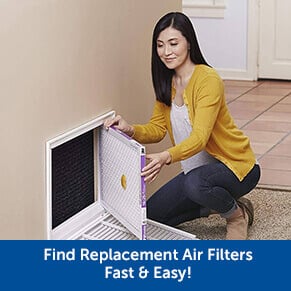
Replacing your refrigerator air filter, as you might think. The process is usually quick and easy, keeping your fridge smelling fresh and your food happier for longer.
If you’ve located where your air filter is, you’re already halfway there! How you change the air filter depends on your refrigerator’s make and model, but here’s a general guide for Whirlpool, LG, Electrolux, and other big-name fridges.
Step-by-step guide to replacing your refrigerator air filter:
- Find the Filter: It is usually tucked away on the rear panel or up near the top inside your fridge. Check your owner’s manual if you can’t find it.
- Out with the Old Filter: To remove the old filter, gently twist or pull it straight out. Make sure your replacement is ready before removing the old one.
- In with the New Filter: Remove any packaging from the new filter. Then, insert the new filter into the slot and press gently until it clicks or locks into place. Some models need a twist; others just snap in. If it’s not so easy to figure out, check your manual.
- Back in Business: If you removed any shelves or bins, put them back and double-check that everything is secure.
- Ready to Reset: If your fridge has an indicator light or a button, it’s time to reset it now. Most fridge models will have you hold the button or light for a few seconds until you hear a chime or the light goes off. To make sure you’ve reset it correctly, check the manual.
Replacing your fridge air filter is pretty easy! If you’re ever unsure, always check your owner’s manual to make sure you’ve done it correctly. Fresh fridge air is just a filter change away. Here’s a quick how-to video showing how to change the air filter in an LG French Door Fridge:
Do all refrigerators have an air filter?
No, not all refrigerators have an air filter. To figure out whether yours does, here are some tips:
- The fridge air filter is located on the rear panel, near the top. The filter’s placement is contingent on your refrigerator’s brand and model. If you’re still having trouble finding it, you can always refer to your owner’s manual, which should tell you the location of your filter.
- Some models have an air filter cover labeled “Air Filter”.
How to find the best refrigerator air filter
Just like finding the best refrigerator water filter, finding the best refrigerator air filter is simple; all you have to do is locate the product number. This is usually found somewhere on the old filter that you’re trying to replace. If you’re able to successfully find that filter in your refrigerator using the tips we mentioned above, it should be on the product.
If, for some reason, the product number isn’t on the filter you’re replacing, then you can look in your refrigerator’s manual, and it should be there. Once you have the product number, you can use FiltersFast.com’s search feature by typing the number in the search bar.
If all else fails, Filters Fast has a vast selection of replacement refrigerator air filters from top brands, including Electrolux, Maytag, Whirlpool, Frigidaire, and our own Filters Fast Brand, all ready at your fingertips.
Shop Replacement Refrigerator Air Filters
How long do refrigerator air filters last?
Refrigerator air filters usually last about 6 months before needing replacement. This could change depending on the quality of the air filter and how well you maintain the filter.
Some refrigerator models may have a filter status light that indicates when it’s time to change the filter.
To avoid worry, you can simply sign up for our Home Filter Club subscription program. Once you find your replacement refrigerator air filter, select the replacement frequency you’d like, then forget about it until it arrives at your doorstep!

What if my refrigerator doesn’t have an air filter?
No problem! Just because the manufacturer didn’t design your fridge with an air filter doesn’t mean you can’t have one. The Frigidaire PureFresh Universal Refrigerator Air Filter fits any fridge and features an adhesive back so you can stick it anywhere in your fridge!
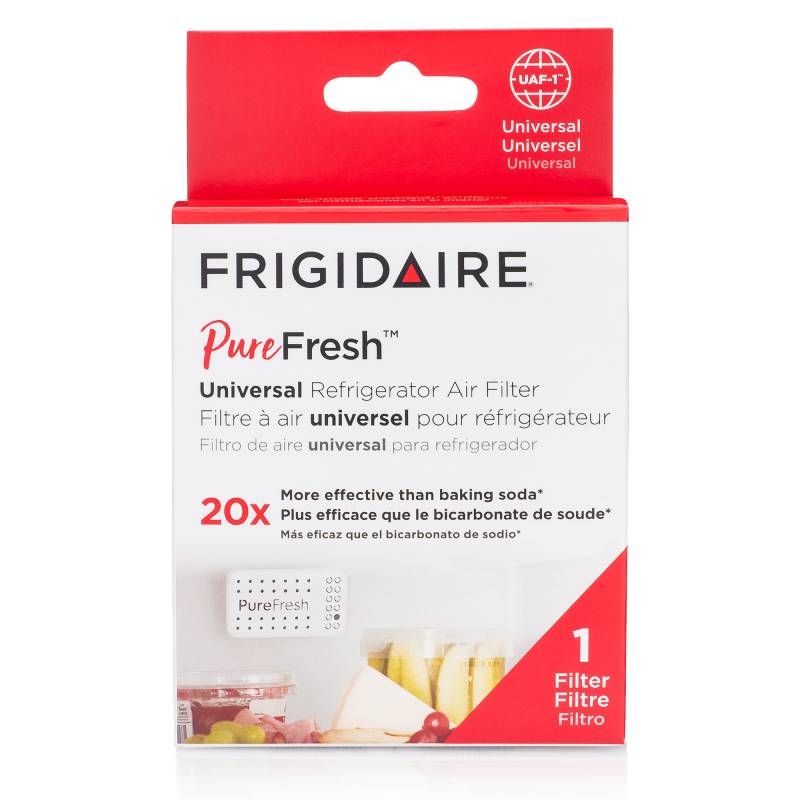
Frigidaire FRPFUAF1 PureFresh Universal Refrigerator Air Filter
Summary
Your home’s air and water quality are vital in keeping you and your family safe and healthy. It is so important that you know which filters you have in your home and how often you should change them, including your refrigerator air filter.
At Filters Fast, we’re here to help equip you with the knowledge and the tools you need to keep your home’s environment clean and safe. If you need any assistance, please don’t hesitate to reach out. You can reach Filters Fast’s Customer Support team at 866-438-3458 or [email protected].
Want more refrigerator-related content? Check out these blogs:
- Troubleshooting Tips: How to Change Your Refrigerator Water Filter
- How to Flush a New Refrigerator Water Filter
- Common Refrigerator Water Filter Problems Explained


Leave a Reply