






















- MERV 11 filters capture pollen and mold spores with good airflow; MERV 13 offers better filtration but needs HVAC compatibility.
- Check your HVAC manual or existing filter size to ensure the new filter fits correctly and won’t restrict airflow.
- Change air filters every 30–60 days during spring, more often if you have pets, severe allergies, or high pollen exposure.
- Combine MERV-rated filters with HEPA air purifiers for optimal allergen reduction without compromising HVAC performance.
- Keep windows closed on high-pollen days and practice good habits like washing bedding weekly to reduce indoor allergens.

When spring arrives, you’ll know it’s here. Constant sneezing. Irritation. Respiratory issues. Pollen in the air. All the familiars. With these types of problems, you are probably looking for a solution, and perhaps you’ve landed on air filters as one of them.
The best air filter for spring allergies can target pollen, pet dander, mold spores, and other contaminants circulating in your home. As your resource for all things filtration, it’s our pleasure to help. We’ll go into detail to ensure your decision is well-informed.
This guide covers:
• The best air filter ratings for allergies
• MERV vs HEPA for spring allergens
• How to choose the right filter for your system
• How often to change your filter during allergy season
What is the Best Air Filter for Spring Allergies?
In general, the best air filters for allergies are MERV 11 and MERV 13-rated filters. These ratings are designed to capture smaller contaminants such as pet dander, mold spores, and pollen. Common contaminants known to trigger allergic reactions.
Minimum Recommendation: MERV 11
MERV 11 filters excel at capturing pollen and mold spores while still allowing a good amount of airflow.

Have Severe Allergies: MERV 13
MERV 13 filters are the most efficient option for air filters. They capture not only pollen and mold spores but also smoke and some levels of bacteria. It’s important to note that MERV 13 filters have more restricted airflow, so it’s essential to check for compatibility.
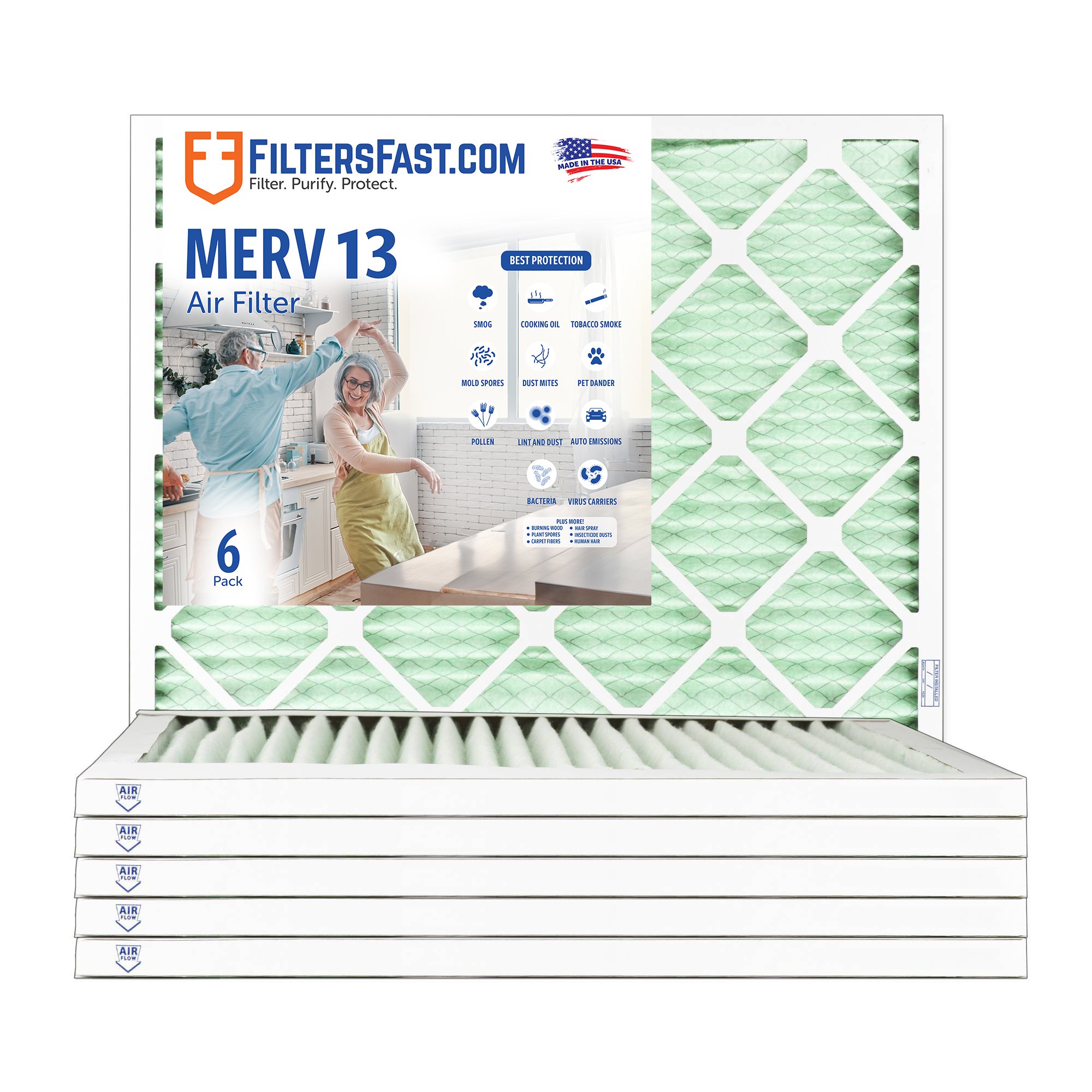
IMPORTANT – CHECK HVAC COMPATIBILITY:
Keep in mind that MERV 13 is the highest-rated filter for residential use. This means you’ll need to ensure your HVAC can use it without any issues. To add, although MERV 11 will restrict airflow less, it’s a good idea to check compatibility as well.
How To Check For HVAC Compatibility
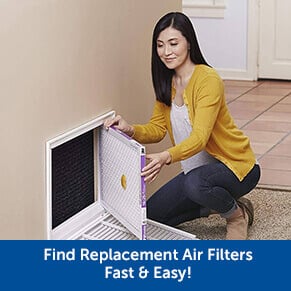
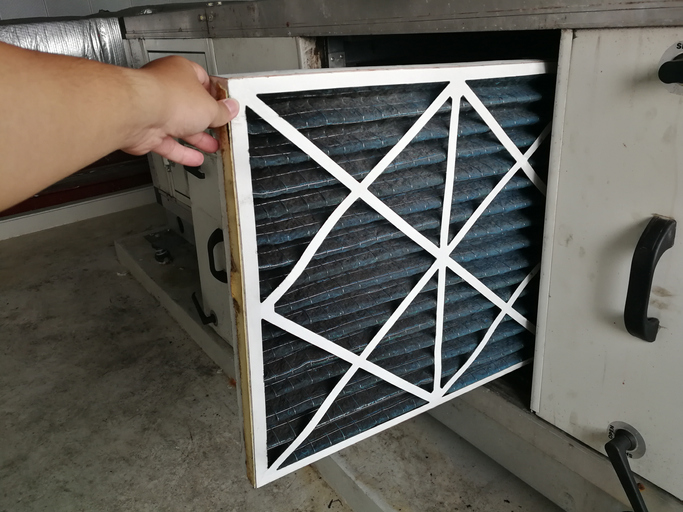
An easy way to find out if your air filter is compatible with your system is to check the manual or manufacturer’s guide.
How do you check if my filter is the correct size?
A great way to check if your HVAC filter is correct is to see if there is an existing filter. If so, it’s likely to have two sets of numbers. The big number is the nominal size (rounded/approximate), while the smaller number is the actual size.
If no filter is present, use a tape measure to measure the length, width, and depth of the filter slot so you’ll ensure a great fit.
Are MERV 8 air filters good for spring allergies?
MERV 8 air filters are great at capturing large contaminants like dust, lint, and debris, but struggle with smaller particles like fine pollen. This makes them a great choice if you have mild allergy symptoms, but if they are severe, you may want to choose higher-rated options.
MERV 8 filters help protect your HVAC equipment, but during peak spring allergy season, finer particles can slip past them and circulate throughout your home.
Here’s a quick comparison of MERV-rated filters:
| MERV Rating | Captures | Allergy Protection Level |
|---|---|---|
| MERV 8 | Large dust & debris | Low |
| MERV 11 | Pollen, mold spores, pet dander | Good |
| MERV 13 | Fine particles, smoke, bacteria | Excellent |
Is HEPA Better Than MERV 13 For Spring Allergies?
Technically, HEPA filters are better than MERV 13 filters at capturing particles. However, the technology isn’t meant for residential HVAC systems. You’ll find it in use in places like hospitals that have the systems to handle it.
If you’d like to incorporate HEPA into your air filtration strategy, you can use an air purifier that utilizes it. Interested in the best air filtration strategy for spring allergies? Keep reading!

The Best Spring Allergy Strategy for Most Homes
To give your home complete coverage, it’s best to have a multi-layered strategy. One that utilizes the strengths of HEPA filtration along with a high-rated MERV filter. This combination provides optimal air quality without compromising your HVAC’s performance.
True HEPA Air Purifiers let you enjoy the power of HEPA filtration safely. This is your main star that brightens up any room. A common benefit is that air purifiers are usually more portable, allowing you to place them conveniently wherever you like. So, perhaps in your living room during the day and your bedroom when it’s time for some well-deserved rest.
MERV 11 or MERV 13-rated air filters will provide the best filtration for your home. These are the backup singers for your main star. They ensure your HVAC stays in tune by preventing pollen from entering your system and circulating in your home.
How Do Air Filters Help with Spring Allergies?
Allergy symptoms are caused by contaminants like dirt, dust, and, more significantly, pollen irritating one of your senses. Air filters help alleviate this by capturing and containing these pollutants before they circulate throughout your home.
During the spring season, pollen and mold spores can enter your home through doors, windows, clothing, and even pets. If your air filtration is inadequate, then your HVAC will only keep these contaminants around instead of removing them.
What Allergens Do High-MERV Filters Capture?
MERV 11 and 13 air filters are designed to capture pollen, mold spores, pet dander, dust mite debris, and fine airborne particles. When the filters are at their best, they reduce the allergen levels in your home. This will limit sneezing, watery eyes, congestion, and sinus pressure.
Why Indoor Air Can Be Worse Than Outdoor Air During Allergy Season
We’re pretty sure we’re not the only ones who have thought that staying indoors could alleviate outdoor allergies. Reality, however, can be a rude awakening (usually in the form of a sneeze). This is because allergens can accumulate inside and become stagnant if unchecked.
This is why proper filtration is so important!
When will I notice a difference in my air quality?
After upgrading to a MERV 11 or 13 filter, you may notice a change within several days. Just make sure to replace your filter consistently to maintain those benefits through the tough allergy season ahead.
How Often Should You Change Your Air Filter During Spring?
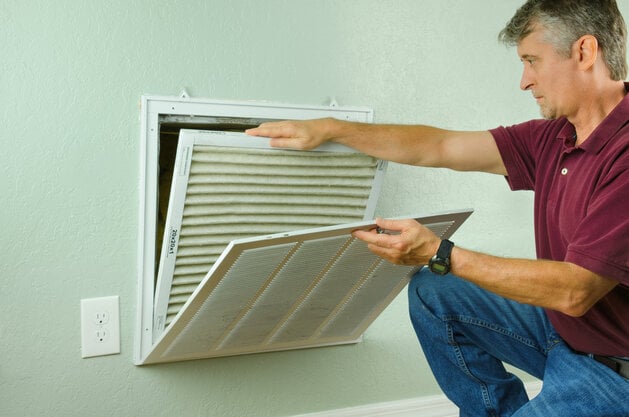
Normally, you’d have some leeway to replace your air filter anywhere from 1 to 3 months. But, since it’s springtime, you should change your air filter every 30 to 60 days.
Peak pollen levels mean your filter will work overtime, trapping more airborne particles in a shorter period. And once it’s loaded, it’s no longer performing optimally, and neither is your HVAC.
So, when do you replace more frequently?
Here are a couple of signals that you need to change your filter every 30 days:
• Pets that shed dander living in your home
• Multiple allergy symptoms
• Opening windows during mild weather
• Have high outdoor pollen levels
• Nearby construction or agricultural sites.
If you encounter these situations, you can be assured your filter will fill up fast.
What happens if I take too long to replace my air filter?
We’re going to be honest, taking too long to replace your filter could have unwanted results! A compromised HVAC system worsens indoor air quality and, most importantly, causes your allergy symptoms to return.
Quick Tip: Check Your Filter Mid-Season
If you’re used to changing the filter every 90 days, it’s a good idea to check it monthly for the season.
Bonus Tip: An Auto-Delivery Program Helps.
If you’re forgetful because life is flying by, an easy task like remembering to replace your air filter can be difficult. Reminders help a lot. What’s even better is a reminder in the form of fresh filters. It’s a simple way to stay on top of this essential task.
That’s why we’ve made it easy to use our Home Filter Club subscription program. All you need to do is choose Subscribe + Save at checkout after you choose your filter. You’ll get up to 10% off air filters and free shipping on every subscription order.
Before you know it, your filters will be on your doorstep and jog your memory right on time.
Signs Your Current Filter May Not Be Enough
You’re using a low-rated or fiberglass filter
Lower-rated filters, especially those made of fiberglass, struggle to capture smaller allergens, such as pollen and mold spores. Taking the next step to a MERV 11 or 13 filter might be what you need to significantly improve performance.
Your Filter Gets Dirty Before 60 Days
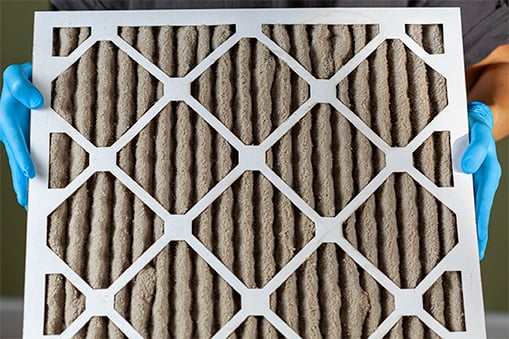
If you recently changed your filter and check it a short time later to find it coated in dust and debris, it’s working overtime. You may need to replace it monthly to maintain optimal performance.
Allergy Symptoms Are Worse When the HVAC System Runs
If your allergy symptoms run rampant when you turn your system on, it’s likely the allergens are circulating through your ductwork.
There are Gaps Around the Filter Frame
Air likes to follow the path of least resistance. So, if your filter doesn’t fit snugly, air can bypass it entirely, giving contaminants free rein.
Your Home Feels Dusty Despite Cleaning
Dust buildup around your home, even after you’ve cleaned, may indicate your filter isn’t working effectively.
When It’s Time to Upgrade
If you notice any of these signs, consider:
• Switching to a MERV 11 or MERV 13 pleated filter
• Replacing filters more frequently during allergy season
• Verifying correct filter size and proper installation
Small changes, like a simple upgrade, can make a noticeable difference in indoor air quality.

How Can You Reduce Spring Allergens Inside Your Home?
Using a high-quality air filter is an effective step, but combining it with a few simple habits can further alleviate your symptoms.
Practical Ways to Minimize Indoor Allergens.
Keep Windows Closed on High-Pollen Days
The weather may feel nice, but an open window is begging for pollen to settle on carpets, furniture, and bedding. We recommend using your HVAC to ventilate instead.
Shower and Change Clothes After Being Outdoors
Pollen loves to cling to hair, skin, and clothing. Taking a bit of time to clean after outdoor activities prevents contaminants from taking hold in your home.
Vacuum with a HEPA-Equipped Vacuum Cleaner
If you’re using a standard vacuum cleaner, it’s possible for it to release particles back into the air. Using a HEPA vacuum will efficiently contain allergens when vacuuming.
Control Indoor Humidity
Maintaining a humidity level between 30-50% will control mold and dust mite levels. A great tip is to use exhaust fans in your bathrooms and kitchen when needed.
Wash Bedding Weekly
Believe it or not, pollen and dust can easily collect in your sheets and pillowcases. Washing bedding with warm water at least once a week can prevent buildup.
Why Air Filtration Still Matters
All of these steps are great and significantly reduce your exposure. However, if your air is filled with recycled allergens, they won’t help much. A properly rated filter is essential for capturing airborne particles, ensuring every cycle is allergen-free.

Wrapping It Up: The Best Air Filter for Spring Allergies
Choosing the best home air filters for allergies in spring is important. It can be the difference between headache and comfort. If you usually don’t experience allergy symptoms, a MERV 8 may suffice. But, if you’re in the mild to severe category, you may want to consider a MERV 11 or MERV 13 pleated air filter. Just make sure they fit your HVAC system properly and that you replace them regularly.
For most homes:
• MERV 11 provides great protection against pollen and common allergens while maintaining excellent airflow.
• MERV 13 offers enhanced filtration for households with severe allergies or higher indoor air quality issues.
Are Filters Fast Air Filters Good Quality?
After 20 years in the filtration business, it’s critical to us to deliver excellence with our filters. They’re made with high-quality materials and come at a great price, making them a fantastic option for those looking for the best allergy air filter.
Using the right filters in your system is the simplest way to improve indoor air quality during spring. When combined with consistent replacement and a few easy allergen-reducing habits, you’ll have a tranquil home all season long.
Read More on Filters Fast Brand Filters
For more on air filters, please check out the following:
- MERV Explained: Understanding Air Filter Ratings
- MERV vs. MPR vs. FPR: Understanding Air Filter Ratings
- What do the Numbers Stand for on an Air Filter?


Leave a Reply